
Kamikiri: Kamikiri is a Japanese yōkai renowned for its mysterious habit of secretly cutting people's hair.
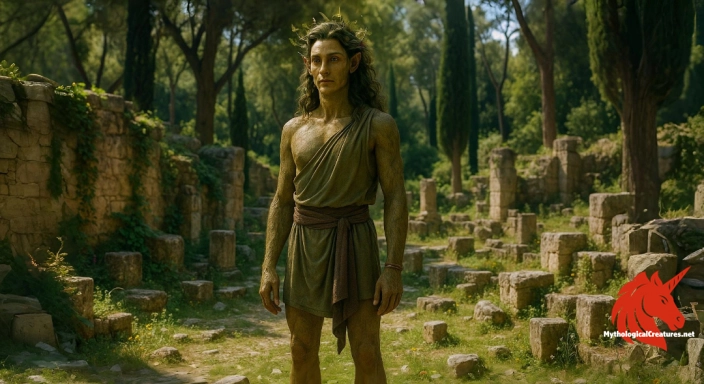
-dec2224b-a303-4eda-9ae5-adef8532ab20_small.webp "Kamikiri - Kamikiri embodies the mysterious intrusion of the supernatural into everyday life, symbolising the fear of unseen disturbances in Edo-period urban settings.")
Kamikiri
Kamikiri - Kamikiri embodies the mysterious intrusion of the supernatural into everyday life, symbolising the fear of unseen disturbances in Edo-period urban settings.
Origins & First Encounters
The Kamikiri is a mysterious creature from Japanese folklore, renowned for its uncanny ability to silently clip the hair of unsuspecting individuals in the dead of night.
Its name, derived from the Japanese words for 'hair' and 'cutter', immediately conveys both its physical act and the eerie nature of its presence.
First emerging in the bustling urban centres during the Edo Period, this yōkai quickly became a subject of both fear and fascination among city dwellers.
The creature’s origins remain obscure, woven into a tapestry of urban legends and local superstitions that reflected the anxieties of rapidly modernising society.
An alternative name, Kurokamikiri or 'black hair-cutter', hints at a darker variant of the myth, imbuing the legend with additional layers of foreboding.
Cultural records from the 17th century reveal that Kamikiri was not merely a mischievous intruder, but a symbol of invasive forces that disrupted the sanctity of domestic life.
Many contemporaries interpreted its actions as a disruption of personal identity, a loss represented by the removal of one’s hair.
This enduring narrative illustrates how the creature was emblematic of deeper social and psychological concerns during a time of profound change.
Source Texts & Tale Variants
Historical references to Kamikiri appear sparsely in Edo period documents, where it is mentioned in passing among collections of supernatural anecdotes.
Artistic compendiums and ghost story manuscript collections of the time frequently included brief depictions of this elusive hair-cutter, reflecting a widespread cultural preoccupation with the mysterious.
Woodblock prints and illustrated guides to yōkai occasionally portray Kamikiri, underscoring its role in the urban imaginations of 17th to 19th century Japan.
Various accounts oscillate between presenting the creature as a playful trickster and as a foreboding omen, with its exact nature often left deliberately ambiguous.
Local oral traditions further enriched these written sources, with storytellers adapting the tale to reflect the prevailing anxieties of their communities.
In different regions, the legend evolved as scribes and artists integrated personal anecdotes and regional colour into the myth.
This patchwork of primary sources and story variants highlights the fluidity of folklore, where a single figure can embody multiple, sometimes contradictory, roles.
The sporadic nature of the surviving documentation only serves to heighten the mystery surrounding Kamikiri, leaving modern enthusiasts eager to piece together its full narrative.
Form & Powers
Contemporary illustrations and later artistic reinterpretations often portray Kamikiri as an enigmatic, spectral figure with an indeterminate human-like form.
It is frequently described as having elongated, scissor-like fingers or clawed digits, perfectly fashioned for its singular task of cutting hair.
The creature’s attire is typically reminiscent of traditional Edo-period garments, allowing it to blend effortlessly into the urban nocturne.
Many depictions emphasise its ghostly pallor and the subtle luminescence of its eyes, which seem to pierce the darkness with an otherworldly light.
Witness accounts and artistic renditions alike depict a fluidity to its physical appearance, with some versions describing a form that shifts from the likeness of a mischievous child to that of a sinister, tall silhouette.
Strands of hair, either a part of its being or symbols of its victims, are a recurring motif in descriptions of Kamikiri.
This integration of human elements with supernatural features creates a composite image that is both disarming and profoundly unsettling.
The ambiguity in its size and structure only adds to its enigmatic presence, making Kamikiri an enduring subject of both artistic and folkloric fascination.
Regional Faces
In the urban heartlands of Edo, Kamikiri is depicted as a notorious presence whose clandestine acts disrupted the anonymity of crowded streets.
Accounts from Japan’s capital reflect a creature that skilfully lingers at the periphery of night markets and dim alleyways, its presence both fleeting and deeply unnerving.
In more rural areas, however, the entity is often recounted as a solitary spirit whose rare appearances are seen as ominous portents tied to local misfortune.
Some regional narratives tie its emergence to specific times of the year, notably during the autumn months when the natural world itself appears to wane.
Variations found in regions like Osaka and Kyoto sometimes portray a more malevolent version, where the act of hair clipping is directly linked to a deterioration in personal luck.
Local customs and folk practices even evolved around the legend, with some communities establishing minor rituals intended to ward off the mysterious intruder.
The creature’s name and attributes can vary subtly in dialect and detail, reflecting the cultural richness of Japan’s myriad local traditions.
Despite these regional differences, a core narrative remains intact: a shadowy figure that invades the privacy of individuals, leaving behind both a physical and symbolic mark.
Cultural Parallels
When examined through a cross-cultural lens, Kamikiri situates itself among a diverse group of mythological entities whose actions disturb the natural order of the human body.
Within the broader framework of Japanese folklore, it stands alongside other yōkai such as the Rokurokubi and the faceless Noppera-bō, each challenging conventional perceptions of human normalcy.
The deliberate removal of hair in these tales resonates as a potent metaphor for personal violation and the disintegration of identity.
Interestingly, Western ghost stories sometimes feature spectral figures—often referred to as elusive, phantom barbers—whose actions similarly invoke the terror of sudden bodily change.
This thematic parallel underscores a universal anxiety, where even a seemingly trivial element like hair can embody the deeper loss of self.
Both Eastern and Western narratives employ these motifs to symbolise the complex interactions between the visible and the unseen worlds.
In comparing Kamikiri to its international counterparts, one encounters a shared cultural symbolism that bridges geographical and historical divides.
Such comparative analysis not only deepens our understanding of Kamikiri but also emphasises the global resonance of folklore that challenges our innermost sense of personal security.
Legacy & Modern Evolution
Over the centuries, Kamikiri has transitioned from an obscure figure of Edo-period superstition to a celebrated emblem in modern Japanese myth and media.
Early portrayals concentrated on its enigmatic and unsettling nature, reflecting the public’s unspoken fears in an era of rapid urban change.
As Japan entered the Meiji period, the influence of Western literary and artistic trends prompted a gradual reimagining of the creature’s mythos.
Today, Kamikiri appears in a variety of media, including anime, manga, and digital art, where it is sometimes portrayed with a mix of humour, irony, and lingering dread.
The transformation in its depiction mirrors broader cultural shifts, with modern interpretations often exploring themes of identity, violation, and the supernatural in a rapidly globalising world.
The act of hair cutting, once a harbinger of misfortune, has evolved into a symbolic gesture within contemporary narratives that reflect on the fragility of personal space and self.
This enduring legacy testifies to the adaptability of folklore, as ancient myths absorb new meanings and resonate with successive generations.
Kamikiri now occupies a unique intersection between tradition and modernity, illustrating how folklore continuously reinvents itself to mirror the evolving contours of cultural identity.
Interesting Fact
An interesting fact about Kamikiri is that its act of cutting hair—seemingly trivial—has been interpreted by folklorists as a metaphor for the fleeting nature of beauty and the inevitable passage of time.
Mythology commerce, done carefully
Align your store with our global myth audience
If you sell myth-inspired jewellery, prints, decks, or collectibles, we can feature your brand without overwhelming the reading experience.
Partner with usQuick Creature Info
Features:
Our Mythic Legendary Rating:

Also Sometimes Known As:
Habitat:
Supernatural Powers:
Physical Attributes:
Abilities:
Behavior:
Lore:
Related Creatures, Tales or Lore
References
Discover Another Mythical Legend You May Not Have Heard Of?
Uncover the mysteries of ancient folklore and expand your knowledge of legendary beings from cultures around the world.
Dare to Meet the Hylates....
Curated by the Mythological Creatures Team
Series editor: Mythological Creatures Directory
Primary desk: Asian & Pacific Myth Cycles Desk
(rev. November 2025)