
Konrul: Konrul is a mythological, long-lived bird from Turkic lore known for its cyclic regeneration, akin to the phoenix.
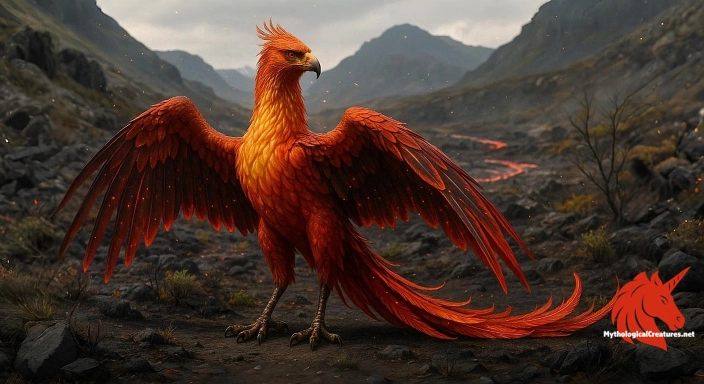
Konrul
Konrul - Represents eternal life, renewal, and the cyclical nature of existence in Turkic cultural narratives.
Origins & First Encounters
Konrul stands as a majestic avian figure in Turkic mythology, celebrated for its remarkable ability to renew itself in an endless cycle. Originating from ancient oral traditions, this legendary bird has captivated communities across Central Asia and the Caucasus for centuries. Its very existence is intertwined with the concept of cyclical rebirth, a theme that underscores both the fragility and resilience of life. The earliest attestations of Konrul emerge from diverse folkloric narratives, where it is portrayed as a symbol of hope amid the tumult of natural change. Artists and storytellers have long drawn upon its image to express the dream of regeneration and eternal continuity. Each rendition of its myth encapsulates the interplay between nature’s perpetual decline and its inevitable revival. Over time, the bird has become a cultural icon, inspiring both ancient epics and modern reinterpretations. Its enduring allure not only reflects the timeless appeal of renewal but also serves as a beacon of resilience in the face of adversity.
Source Texts & Tale Variants
Ancient Turkic epics and oral traditions have safeguarded the enigmatic stories of Konrul, ensuring that its legacy endures through the ages. Manuscripts and folkloric accounts in Azerbaijani and Central Asian cultures mention the creature under various names such as Kongrul and Konqrul, each adding a distinct flavour to its narrative. Some traditions recount dramatic episodes wherein the bird undergoes fiery dissolution only to emerge reborn, emphasising the miraculous cycle of life and death. Variants of the tale often cast Konrul as a messenger bridging the earthly realm with the celestial, thus enriching its cosmological significance. Despite the scarcity of a unified textual record, the rich oral corpus offers multiple versions that celebrate its transformative nature. Visual and literary depictions over the centuries have further diversified these narratives, with each retelling contributing new layers of symbolic meaning. These sources collectively present a multifaceted image of the creature, blending raw mythic energy with refined allegorical depth. As a result, Konrul’s myth remains a living tradition, ever open to reinterpretation by successive generations.
Form & Powers
Accounts of Konrul’s appearance vary widely across traditions, and no single portrayal is canonical. Many describe a colossal, radiant bird whose ember-hued plumage and sweeping wings evoke fire and renewal. Other strands present a hybrid form: a peacock-like body at monumental scale—sometimes said to be capable of carrying an elephant—with the head of a dog and leonine claws; in some retellings the face is human. Several narratives emphasise its enmity toward serpents and place its habitat near abundant waters, a juxtaposition that reinforces its role as a guardian of renewal at the boundary of elements. Taken together, these depictions underscore both majesty and liminality, allowing Konrul to embody regeneration while accommodating regional artistic and symbolic preferences.
Regional Faces
The portrayal of Konrul shifts subtly across the varied landscapes of Turkic and neighbouring cultures, reflecting a rich tapestry of local beliefs. In Azerbaijani folklore, for instance, the bird assumes additional layers of symbolism connected to the rhythms of nature and the changing seasons. Communities in Central Asia often depict Konrul as a divine intermediary that bridges the gap between the heavens and the earth. Local adaptations sometimes imbue the myth with pastoral or even aquatic elements, aligning the creature with regional environmental features. Artistic expressions in textiles, carvings, and decorative arts capture these regional nuances, reinforcing its role as a guardian of natural harmony. Various traditions attribute to Konrul the power to forewarn communities of impending change, thereby holding a sacred place in local mythic calendars. Despite these adaptations, the core motif of regeneration remains central to every interpretation. This regional diversity highlights not only the adaptability of Konrul’s myth but also its universal appeal across different Turkic societies.
Cultural Parallels
Comparative mythology reveals compelling parallels between Konrul and other legendary birds such as the phoenix of classical lore. Both of these mythic creatures are celebrated for their power to emerge renewed from the ashes, thereby symbolising the eternal cycle of life and death. While the phoenix is deeply rooted in Greco-Roman tradition, Konrul carries a distinct cultural identity that is intertwined with Turkic spiritual and natural ideologies. Similar motifs can also be drawn with the Persian Simurgh and the Egyptian Bennu, each of which underscores an archetypal belief in regeneration. However, Konrul’s narrative diverges by being closely connected to the environmental and celestial elements characteristic of Central Asia. These cross-cultural comparisons enrich our understanding of how disparate societies conceptualise the idea of rebirth. Each tradition injects its own unique symbolism into the myth of the rejuvenating bird, reflecting a shared human fascination with the mysteries of renewal. Through such comparative analysis, Konrul not only finds common ground with global mythical archetypes but also asserts its unique position within the tapestry of world mythology.
Legacy & Modern Evolution
The depiction of Konrul has undergone a dynamic transformation from its ancient oral origins to its vibrant presence in contemporary art and literature. Early renditions were simple yet evocative, focusing on the bird’s elemental power of regeneration as a natural counterpoint to mortality. As centuries passed, its myth evolved to mirror the changing cultural landscapes of Turkic societies, with each era reinterpreting its symbolism to resonate with modern sensibilities. Today, Konrul frequently appears in a diverse array of media, ranging from traditional poetic expressions and visual arts to digital illustrations and cinematic portrayals. Modern artists often blend historical iconography with contemporary themes such as sustainability and cultural resilience. The bird’s recurring motif of rebirth has come to represent both personal rejuvenation and collective renewal within the community. Festive celebrations and cultural commemorations in many Turkic regions invoke its symbolic power to remind people of the enduring cycle of life. As a timeless emblem of regeneration, Konrul continues to inspire hope and reinforce the connection between ancient myth and present-day aspirations.
Interesting Fact
Konrul is known by several names across Turkic cultures, underscoring the widespread myth and shared symbolism of rebirth within the region.
Advertising opportunity
Showcase your mythology project
We offer limited sponsor placements for books, courses, games, and creators aligned with our audience.
View partnership optionsQuick Creature Info
Origin:
Associations:
Our Mythic Legendary Rating:

Also Sometimes Known As:
Habitat:
Supernatural Powers:
Physical Attributes:
Abilities:
Behavior:
Lore:
Related Creatures, Tales or Lore
References
Discover Another Mythical Legend You May Not Have Heard Of?
Uncover the mysteries of ancient folklore and expand your knowledge of legendary beings from cultures around the world.
Dare to Meet the Themis....
Curated by the Mythological Creatures Team
Series editor: Mythological Creatures Directory
Primary desk: Asian & Pacific Myth Cycles Desk
(rev. November 2025)