
Kushtaka: Kushtaka, or Land Otter Man, is a mythological shape-shifting creature from Tlingit folklore.

Kushtaka
Kushtaka - Serves as a moral lesson and cautionary tale in indigenous lore, warning against the dangers of deceit and venturing too far from safe grounds.
the legend in five swipes.
the legend in five swipes.
Kushtaka: Where the Legend Started
The Kushtaka, often known as the Land Otter Man, occupies a fascinating niche in the vibrant oral traditions of the Tlingit peoples along the Pacific Northwest. Its mythic roots extend into a rich tapestry of legends that explore the interconnectedness of land and water through enigmatic shape‐shifting. Emerging from ancient indigenous narratives, this creature embodies both human intellect and the wild, fluid essence of otters. Drawn from a blend of ancestral spirituality and respect for nature, the Kushtaka warns of the dangers that lie in the liminal spaces between civilisation and the wilderness. Early attestation in oral lore paints it as a mysterious intermediary that can traverse between human and animal realms with uncanny ease. Tales recount that its appearance often heralds uncertain destinies for unwary travellers venturing too near treacherous coastal waters. The stories have been passed down through generations, each retelling adding layers to its multifaceted persona. Its legacy is steeped in lessons about the respect for natural forces and the perilous allure of transformation. The enduring mystique of the Kushtaka continues to echo through Tlingit culture, serving as both a caution and a celebration of nature’s unpredictable impulses. Ultimately, this legendary being stands as a symbol of the delicate balance between human existence and the wild, untamed beauty of the natural world.
How was the story of the Kushtaka recorded?
The primary accounts of the Kushtaka originate in the rich oral traditions of the Tlingit people, where elders and storytellers have long recounted its mysterious exploits. Early encounters, documented by explorers and naturalists, capture fragmented reports that blend eyewitness astonishment with spiritual symbolism. These fragmentary records, embedded in colonial journals and early ethnographic notes, reflect a creature both feared and revered. Various story variants exist, with some narratives portraying the Kushtaka as a malevolent trickster luring solitary souls into the water. In contrast, other accounts depict it as a forlorn spirit, cursed to oscillate between two worlds in search of redemption. The richness of these variants reveals a tapestry of symbolic meanings, from cautionary tales about venturing too deep into wild territories to allegories of personal transformation. Different storytellers emphasise aspects of the creature’s temperament and moral ambiguity, thereby enriching its mythic role. While written sources remain limited, the oral tradition has allowed the creature’s legend to evolve and adapt over time. The overlapping versions and subtle regional differences offer a layered understanding of its role within Tlingit spiritual and cultural practices. These enduring narratives continue to inspire contemporary reinterpretations that honour the original mystique of the legend.
What did people say the Kushtaka looked like?
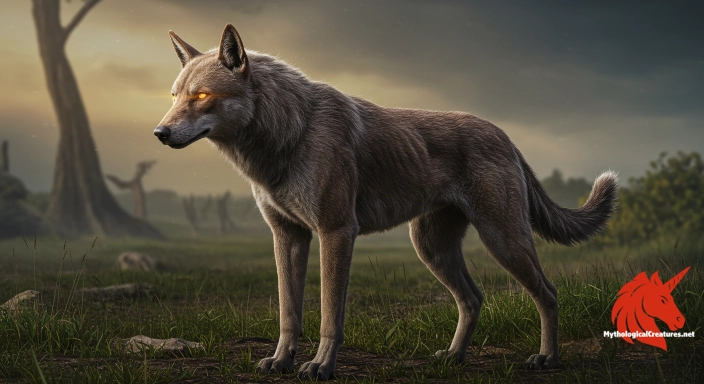
The physical portrayal of the Kushtaka is as fluid and elusive as the waters from which it emerges. Witness accounts describe its eyes as deep and reflective, hinting at an ancient wisdom that transcends its shifting form. In its human guise, it may appear deceptively attractive, with features that merge the familiar with an eerie inhumanity. When assumed in its otter form, the creature exhibits sleek, water-resistant fur in shades that echo the somber hues of dusk and the silvery gleam of moonlit streams. This duality is further accentuated by features such as webbed hands and an agile, streamlined body that facilitate its effortless transition between land and water. Transformations are often abrupt, revealing a blend of limb and tail contours, and subtly distorted facial features that remind onlookers of its otherworldly origins. Some depictions incorporate distinctive markings or scars that are interpreted as tokens of a life spent traversing both the animate and inanimate worlds. The variability in its size and structure—from diminutive trickster to a more robust, formidable figure—adds to the creature’s mystique. Every retelling imbues the Kushtaka with a mutable appearance that challenges conventional boundaries between human and animal. Ultimately, its ever-changing physical form symbolises the timeless interplay between nature’s caprice and the human condition.
Kushtaka Across Different Regions
Although the legend of the Kushtaka finds its home in Tlingit lore, its narrative has subtly permeated neighbouring indigenous cultures along the Pacific Northwest. In Alaska, storytellers often highlight its mischievous tendencies, portraying the creature as a playful yet dangerous interloper along icy riverbanks. British Columbia traditions tend to emphasise the spiritual aspects, suggesting that the creature serves as both a guardian and a harbinger of change. Coastal communities have adapted its narrative to reflect maritime concerns, sometimes depicting the Kushtaka as an emissary of the sea with a role in local rites and taboos. Regional adaptations introduce unique details, such as specific colourations of fur that echo the local landscape and the presence of geographical markers believed to be its haunts. Some traditions stress the creature’s ability to mimic human voices, a trait that has led to numerous chilling accounts across varied settlements. Each community moulds the legend to reflect local environmental conditions and societal values, thus creating a mosaic of regional variations. These diverse perspectives reinforce the notion that the myth is not static but evolves with the people who tell its story. The adaptability of the legend underscores the intrinsic link between the natural environment and cultural identity. Ultimately, regional variations offer a broader context that enriches our understanding of the Kushtaka as a symbol of nature’s omnipresent mystery.
Kushtaka: Cross-Cultural Comparisons
The enigmatic nature of the Kushtaka finds echoes in shape-shifting figures across diverse mythologies, underscoring universal themes of duality and transformation. Parallel tales, such as the Celtic and Norse selkies, similarly explore the transition between human and marine forms, suggesting a shared fascination with liminal beings. Much like the Kushtaka, selkies are depicted as both enchanting and treacherous, their dual natures symbolising beauty entwined with danger. Other indigenous narratives from North America also feature shape-shifters who bridge the mortal realm with the domain of the wild, reinforcing the motif of transformation as a deeply human concern. These cross-cultural parallels illustrate how different societies use similar mythic archetypes to articulate their relationship with nature, identity, and spirituality. The fluid transformation of these beings speaks to an underlying metaphor for the constant change inherent in life and the environment. In both cases, the creature serves as a mirror to human vulnerability, reflecting our fears and our fascination with the unknown. Artistic depictions across cultures have often highlighted the seductive quality of these beings, while also warning of the perils that lie beneath their beguiling exteriors. Comparative analysis reveals that such legends serve as a potent reminder of the perennial interplay between humanity and the unfathomable forces of nature. Overall, the Kushtaka stands alongside its global counterparts as a dynamic symbol of transformation and the mysterious boundaries between worlds.
Kushtaka: The Modern Legacy
The legacy of the Kushtaka has evolved remarkably from its role as a cautionary figure in ancient oral lore to its modern incarnation as a cultural symbol of transformation. Initially, its narrative served as a stark warning to those who dared encroach upon treacherous waters, embodying the unpredictable caprices of nature. In recent years, literary and artistic reinterpretations have broadened its appeal, casting the creature as a poignant metaphor for the human condition. Modern storytellers and visual artists have imbued the Kushtaka with layers of tragedy and empathy, reflecting contemporary concerns over environmental change and social displacement. This shift from a fearsome omen to a reluctant guardian speaks to the enduring power of myth in addressing modern existential dilemmas. Cultural revitalisation efforts among indigenous communities have also embraced the Kushtaka, using its story to assert a sense of identity and connection to the ancestral land. Exhibitions, films, and literary works now explore its dual nature, symbolising both the allure and the peril inherent in a changing world. The myth continues to resonate, offering a flexible framework through which to examine the boundaries between civilisation and the natural realm. As reinterpretations proliferate across various media, the story of the Kushtaka remains a vital part of the dialogue on heritage, nature, and the transformative journey of life. In this way, its historical trajectory has secured a lasting legacy that bridges past beliefs with modern sensibilities.
Interesting Fact
Kushtaka legends have influenced modern pop culture representations of shape-shifters, highlighting the enduring legacy of indigenous mythologies in contemporary storytelling.
Mythological Treasures
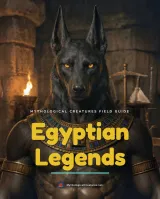
Egyptian Legends: A field guide to the gods and monsters of ancient Egypt
Guardians of the living and devourers of the dead, with the role each played in judgement.
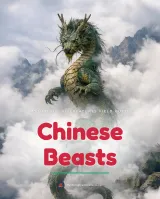
Chinese Beasts: A field guide to the dragons and demon kings of Chinese myth
From river dragons to demon kings, with the legends that shaped five thousand years of storytelling.
Japanese Yōkai: A field guide to the spirits and demons of Japanese folklore
Fifteen spirits, with the signs to watch for and what the old tales say to do if you meet one.
the legend in five swipes.
For authors, artists, and makers
Created something from the realm of myth?
If your book, deck, game, or artwork draws from legendary creatures and lore, you can showcase it here in a tasteful, year-round placement.
Share your projectQuick Creature Info
Origin:
Features:
Associations:
Our Mythic Legendary Rating:

Also Sometimes Known As:
Habitat:
Supernatural Powers:
Physical Attributes:
Abilities:
Behavior:
Lore:
Related Creatures, Tales or Lore
References
Discover Another Mythical Legend You May Not Have Heard Of?
Uncover the mysteries of ancient folklore and expand your knowledge of legendary beings from cultures around the world.
Dare to Meet the Sarama....
The Mythological Creatures Book Series
Yōkai, Greek, Norse, Egyptian & Chinese. Five illustrated field guides to the creatures the old stories either warned or told you about.
Curated by the Mythological Creatures Team
Series editor: Mythological Creatures Directory
Primary desk: Americas & Indigenous Traditions Desk
(rev. November 2025)