
Madam Koi Koi: Madam Koi Koi is a vengeful ghost from Nigerian urban legend that haunts boarding schools.

Madam Koi Koi
Madam Koi Koi - Represents a cautionary tale in Nigerian boarding schools, warning students against irregular attendance practices.
the legend in five swipes.
the legend in five swipes.
The Beginnings of Madam Koi Koi
Madam Koi Koi is a compelling figure in Nigerian urban legend, weaving a narrative that blends modern school life with age-old supernatural dread. Her origins lie in the whispered anecdotes of boarding school corridors where strict discipline and mysterious happenings meet. Born from the intense environments of boarding schools, her tale emerged as both a moral warning and a source of spine‐chilling fascination among students. She is depicted as a vengeful, spectral presence whose eerie visits occur at night in dormitories, hallways, and toilets, thereby cementing her role as a guardian of behavioural expectations. Over time, her character has grown into a symbol of caution, serving as a deterrent for those who stray from accepted norms in the academic setting. The first attestations of her legend are found in the collective consciousness of boarding school communities in Nigeria, where the supernatural blends seamlessly with everyday life. Her narrative encapsulates the interplay between contemporary educational challenges and ancient themes of retribution and regret. In a cultural context rich with moral allegory and communal storytelling, her figure is as much a lesson in proper conduct as it is an enigmatic ghost story. Many view her haunting presence as a mirror reflecting the tensions between modern institutional life and the lingering power of folklore. As a result, Madam Koi Koi has become an enduring emblem within Nigerian popular culture, embodying a mix of fear, respect, and intrigue.
Where can you read about Madam Koi Koi?
The story of Madam Koi Koi has been transmitted primarily through oral traditions in school environments, where hushed exchanges after lights out keep her memory alive. Her legend is featured in various local compilations of ghost stories, which serve both to entertain and to enforce discipline among students. Traditional narratives recount her appearances in boarding schools during the calm, unsettling hours after dusk. Multiple versions of her tale circulate, with some accounts describing her presence in every corner of the dormitory and others focusing on the isolated terror of haunted toilets. Her known aliases, including Lady Koi Koi and Madam Moke in Ghana, reveal the fluid nature of her myth across different regions. Some local texts and folklore anthologies have preserved testimonies and witness accounts that add layers to her story. The diversity in the sources reflects the collective memory of communities, where every retelling adds new details to her character. Story variants often emphasise different aspects of her appearance and motives, contributing to a rich tapestry of supernatural lore. These narratives continue to evolve as new generations reinterpret her actions and symbols in ways that resonate with contemporary concerns.
Madam Koi Koi: Powers, Strengths and Vulnerabilities
Descriptions of Madam Koi Koi often blend eerie details with striking visual motifs that leave a lasting impression on those who hear her tale. She is most famously depicted wearing red heels, a detail which instantly captures attention and symbolises both allure and menace. In some narratives, she appears with a single heel, an anomaly that hints at a tragic past and a sense of incompleteness. Her form is generally envisioned as both graceful and unnerving, with a silhouette that seems to dissolve into the darkness yet stands out boldly in moments of clarity. Witness accounts in the folklore recount her figure as having an ethereal glow, a mixture of beauty and otherworldly terror. The ghost is sometimes described as wearing a flowing garment that combines elements of modern attire with hints of traditional dress, thereby connecting her to both contemporary and ancestral worlds. Her eyes are often noted for their penetrating intensity, conveying deep sorrow and unyielding vengeance. Variations in her size and stature occur throughout different retellings, with some stories attributing a towering presence while others suggest a more deceptive, subtle form. These physical attributes, from the iconic red heel to her shifting silhouette, have become central symbols in the legend, each detail enriching the myth and deepening its mystery.
Which communities kept the Madam Koi Koi tradition alive?
Across regions, Madam Koi Koi’s legend acquires distinct nuances reflective of local traditions and educational environments. In Nigeria, she is predominantly associated with boarding schools, where her spectral presence reinforces lessons of discipline and the consequences of misbehaviour. In neighbouring Ghana, where she is known as Madam Moke, the narrative takes on additional layers of local colour and interpretation. Variations in her story also emerge in different parts of Nigeria, where rural settings may infuse her tale with elements of indigenous spirituality and ancestral reverence. Urban adaptations sometimes emphasise modern anxieties related to institutional life, whereas more traditional tellings preserve the haunting echoes of older spiritual beliefs. The core motif of a ghostly woman haunting educational spaces remains consistent, yet the details—such as the style of her attire and the specific locations of her appearances—can differ remarkably. Local adaptations often blend the original elements with unique cultural symbols that are significant to the area. These differences illustrate how shared urban legends can be moulded by regional experiences and historical subtleties. Such variations enhance the richness of her myth, ensuring that Madam Koi Koi remains a dynamic and evolving figure in West African folklore. Ultimately, her story serves as a bridge between modernity and tradition, reflecting the diverse cultural tapestry of the region.
Madam Koi Koi: Counterparts Around the World
When compared with global spectral phenomena, Madam Koi Koi’s legend resonates with similar tales of vengeful apparitions that serve as warnings within confined spaces. Her narrative aligns in many ways with other ghostly figures such as the White Lady legends found throughout Europe, both of which use haunting visits to impart moral lessons. Like many apparitions in folklore, she occupies liminal spaces where the boundary between the physical and spiritual worlds is perceived as thin. Her distinctive red heel is reminiscent of recurring motifs in other ghost stories, where an item of clothing or accessory becomes emblematic of the spirit’s identity and past misfortunes. Compared to urban legends such as Bloody Mary, the story of Madam Koi Koi incorporates unique local contexts, specifically the life of boarding school students in Nigeria. Both legends, however, share the function of regulating behaviour through fear and caution, acting as modern parables passed down through generations. Her evolution from a simple ghost story into a multi-faceted cultural symbol parallels the development of other urban legends that adapt to new social environments and anxieties. The comparative analysis reveals that, while her attributes are specific to the Nigerian educational landscape, the underlying themes of injustice, retribution, and mystery are universal in ghost lore. In this way, Madam Koi Koi not only highlights local myth-making traditions but also participates in a broader global conversation on the supernatural and its societal implications.
How has Madam Koi Koi changed over time?
The evolution of Madam Koi Koi’s legend mirrors the changes in societal attitudes towards authority, discipline, and modern education over the decades. Her character has transitioned from a simple ghostly figure intended solely to instil fear into a complex symbol of retribution and tragic loss. Earlier versions of the narrative served as stark warnings to students about the virtues of adherence to school rules and moral conduct. In more recent times, however, her myth has been reinterpreted through various media, including theatre, film, and online storytelling, each adaptation adding new dimensions to her character. Her image, particularly the iconic red heel, has become a visual shorthand for the interplay between modern anxieties and traditional ghost lore. Contemporary renditions often explore her backstory with more nuance, suggesting that her vengefulness may be rooted in personal trauma or social injustice. This modern legacy reflects broader cultural shifts, where supernatural narratives are re-examined to highlight issues of power and the struggles of marginalised voices. As her story continues to be shared and reshaped by each generation, Madam Koi Koi remains an enduring part of popular culture, symbolising both youthful rebellion and the lingering authority of folklore. The ongoing reinterpretation of her legend demonstrates the dynamic nature of mythmaking, ensuring that her haunting presence remains relevant in the digital age. In evolving from a cautionary tale of discipline into a multifaceted cultural phenomenon, she encapsulates the resilience and adaptability of urban legends in a modern context.
Interesting Fact
An intriguing aspect of the legend is her variable depiction, sometimes appearing with a pair of red heels and at other times with just one, adding to the mystery of her identity.
Mythological Treasures
Chinese Beasts: A field guide to the dragons and demon kings of Chinese myth
From river dragons to demon kings, with the legends that shaped five thousand years of storytelling.
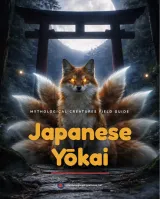
Japanese Yokai: A field guide to the spirits and demons of Japanese folklore
Fifteen spirits, with the signs to watch for and what the old tales say to do if you meet one.
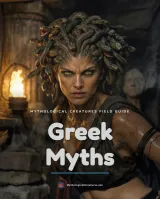
Greek Myths: A field guide to the monsters of ancient Greece
Every monster here earned its place in legend, and each gets a full page of artwork and the story behind it.
the legend in five swipes.
For indie creators
Give your myth project a permanent home
Indie authors, artists, small studios, and makers can secure an annual, non-intrusive sponsor slot that meets readers where they explore.
Obtain more informationQuick Creature Info
Origin:
Features:
Associations:
Our Mythic Legendary Rating:

Also Sometimes Known As:
Habitat:
Supernatural Powers:
Physical Attributes:
Abilities:
Behavior:
Lore:
Related Creatures, Tales or Lore
- LLa Llorona
- BBloody Mary
- OOkiku
References
Discover Another Mythical Legend You May Not Have Heard Of?
Uncover the mysteries of ancient folklore and expand your knowledge of legendary beings from cultures around the world.
Dare to Meet the Enchanted Moura....

The Mythological Creatures Book Series
Yokai, Greek, Norse, Egyptian & Chinese. Five illustrated field guides to the creatures the old stories either warned or told you about.
Curated by the Mythological Creatures Team
Series editor: Mythological Creatures Directory
Primary desk: African & Diaspora Traditions Desk
(rev. November 2025)