
Mbeku: Mbeku is a trickster tortoise from Igbo and West African folktales known for his cunning and deceptive nature.

Mbeku
Mbeku - Represents the cunning and resourcefulness that outsmarts adversaries; a cultural emblem in folktales.
the legend in five swipes.
the legend in five swipes.
Mbeku Origins: The Earliest Accounts
Mbeku is a legendary trickster figure known across Igbo and West African folktales for his mischievous ingenuity and subtle defiance of convention. His origins lie in the oral storytelling traditions of indigenous communities, where his exploits were recounted with both wit and wisdom. The name, taken from the Igbo word for tortoise, symbolises not only his slow, deliberate pace but also the cunning intelligence that belies his unhurried exterior. Early attestations of his character emerged from communal gatherings, where elders and storytellers passed down his narrative through generations. His adventures serve as a cultural mirror, reflecting the challenges and contradictions of human behaviour with a blend of humour and moral insight. The tales of Mbeku intertwine themes of justice, resourcefulness, and subversion, challenging the established order in a playful yet profound manner. Embedded deeply in the cultural fabric of West Africa, his stories have evolved to incorporate lessons on patience, resilience, and the transformative power of clever trickery. As a dynamic figure in folklore, Mbeku continues to captivate audiences, proving that even the most unassuming creatures can upend traditional paradigms and inspire critical reflection.
What sources tell us about Mbeku?
Mbeku’s legend is primarily sustained by the rich oral traditions of West Africa, where his cunning exploits have been narrated across countless evenings around communal fires. His earliest stories were preserved through the skillful recounting by griots and traditional storytellers, whose performances ensured his legacy endured beyond the confines of any single written record. Over time, a number of collectors and folklorists documented these narratives, creating diverse compilations that capture variations in tone, style, and moral emphasis. Some of these texts reflect the subtle shifts in Mbeku’s character as communities adapted his story to address evolving social and cultural issues. Notably, his portrayal has been subject to reinterpretation in different local chronicles, each version highlighting elements of trickery or wisdom that resonate with contemporary audiences. Written records from the colonial era, though fragmentary, provide glimpses into how early outsiders viewed his myth, mixing observation with local lore. More recent retellings fuse traditional oral narratives with modern literary innovation, making Mbeku accessible to a new generation of enthusiasts. The multiple versions of his story illustrate the layered complexity of West African folklore, where each teller adds a personal and regional nuance. These varied sources, both written and oral, collectively underscore the enduring appeal and adaptability of the trickster tortoise myth.
Mbeku: Form, Powers and Weaknesses
Mbeku is typically depicted as a tortoise endowed with qualities that elevate him from a mere animal to a figure of mythic cleverness. His robust, domed shell is often described with elaborate patterns that seem to echo tribal designs, setting him apart visually from ordinary tortoises. The texture of his carapace is rendered in vivid detail, with mottled hues and intricate ridges that evoke the natural palette of the African landscape. His eyes, large and expressive, convey both an innate shrewdness and a playful defiance, suggesting a mind that is always at work. Artistic portrayals sometimes imbue him with slight anthropomorphic features—subtle hints of a knowing smile or raised brows—that enhance his reputation as a cunning trickster. His limbs, though naturally suited to a tortoise’s steady gait, are occasionally depicted with a flexibility that symbolises his ability to navigate complex challenges. While his size generally corresponds to that of a natural tortoise, some illustrations exaggerate his features to underline his legendary status. The interplay of rough natural textures with refined, almost artistic embellishments creates a striking visual duality that captures both the animalistic and the mythical. Together, these details create a rich portrait that blends authentic zoological characteristics with the imaginative flourishes of folklore art.
How far did the story of Mbeku spread?
The narrative of Mbeku has morphed subtly as it traversed different regions in West Africa, with each community imprinting its own cultural ethos onto the character. In some parts of Nigeria, local renditions cast him as a rebel against oppressive forces, celebrating his ability to overturn established hierarchies through clever stratagems. In neighbouring regions, his escapades are sometimes intertwined with elements of the supernatural, where he is seen as a guide to both humans and animals alike. Variations of his tale may also emphasise his role as a mediator between the natural and the spiritual world, thus expanding his symbolic reach. The diverse environments—from savannahs to coastal areas—occasionally influence the descriptive details of his shell or the settings of his adventures. Differences in dialect and narrative structure reflect the unique social and moral concerns of local communities, ensuring that each version of his story remains relevant. In some regions, he is portrayed as a benevolent trickster whose antics ultimately lead to positive, if unexpected, outcomes for his peers. The freedom to adapt his character to local contexts highlights the fluidity of oral traditions and underscores his universal appeal. Such regional adaptations enrich the tapestry of his myth, ensuring that Mbeku continues to resonate with a wide spectrum of cultural experiences.
Does another culture have a figure like Mbeku?
Mbeku’s character resonates with the global archetype of the trickster, sharing many similarities with figures from diverse mythological traditions. His cunning and subversive nature often draw comparisons with West Africa’s own Anansi, another celebrated figure noted for his wily antics and moral paradoxes. Like the Native American coyote or the South American fox, Mbeku’s adventures are charged with dual themes of chaos and order, reflecting the universal nature of trickster lore. His exploits, blending natural instinct with strategic cleverness, speak to a common narrative thread that cuts across continents. The interplay of humour and wisdom in his tales mirrors that seen in many cultures, where trickster figures serve as both challengers of authority and as conveyors of ethical lessons. His dual identity—as a creature grounded in nature yet elevated by myth—finds echoes in myriad traditions that celebrate the interplay between the animal and the divine. The elements of transformation, cunning, and unexpected reversal in his stories contribute to a broader, cross-cultural dialogue on the role of tricksters in questioning social norms. Comparative analysis highlights how these figures often act as catalysts for change, using their wits to subvert the status quo and promote cultural introspection. In bridging the realms of nature and myth, Mbeku reinforces a shared global fascination with narratives that celebrate the unpredictable, transformative power of the trickster.
Mbeku: The Legend's Second Life
Mbeku’s legacy spans centuries, evolving from a simple character in oral folklore to a symbol of enduring resilience and subversive wit in a rapidly changing world. His traditional tales, rich with moral and ethical undertones, were initially crafted to entertain and instruct within close-knit communities. Over time, his narrative has been reinterpreted to address the challenges of modern society, reflecting shifts in social norms and cultural values. Contemporary writers, playwrights, and artists have embraced his story, often portraying him as a figure who embodies the spirit of resistance against conventional authority. His reimagined adventures, found in literature, theatre, and digital media, highlight the adaptability of his myth to new contexts and eras. Modern adaptations frequently emphasise his role as a clever critic of societal inequities, casting him as both a mirror and a messenger of modern conflicts. This dynamic evolution underscores how ancient oral traditions can be repurposed to speak to modern audiences while retaining their original charm. His enduring presence in popular culture is a testament to the universal appeal of trickster narratives that challenge the status quo with humour and ingenuity. Ultimately, Mbeku remains a powerful emblem of cultural continuity and innovative storytelling, bridging the gap between ancestral wisdom and contemporary dialogue.
Interesting Fact
Mbeku's name derives directly from the Igbo word for tortoise, underlining his cultural significance and regional identity in West African folktales.
Mythological Treasures
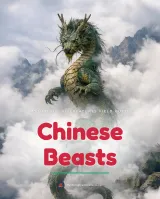
Chinese Beasts: A field guide to the dragons and demon kings of Chinese myth
From river dragons to demon kings, with the legends that shaped five thousand years of storytelling.
Japanese Yōkai: A field guide to the spirits and demons of Japanese folklore
Fifteen spirits, with the signs to watch for and what the old tales say to do if you meet one.
Greek Myths: A field guide to the monsters of ancient Greece
Every monster here earned its place in legend, and each gets a full page of artwork and the story behind it.
the legend in five swipes.
Limited sponsor opportunity
One slot, carefully chosen partners
We only feature a small number of relevant sponsors at any time. If you create serious myth content, we would like to hear from you.
Partner with usQuick Creature Info
Origin:
Features:
Associations:
Our Mythic Legendary Rating:

Habitat:
Supernatural Powers:
Physical Attributes:
Abilities:
Behavior:
Lore:
Related Creatures, Tales or Lore
- IIjapa
- BBr'er Tortoise
References
Discover Another Mythical Legend You May Not Have Heard Of?
Uncover the mysteries of ancient folklore and expand your knowledge of legendary beings from cultures around the world.
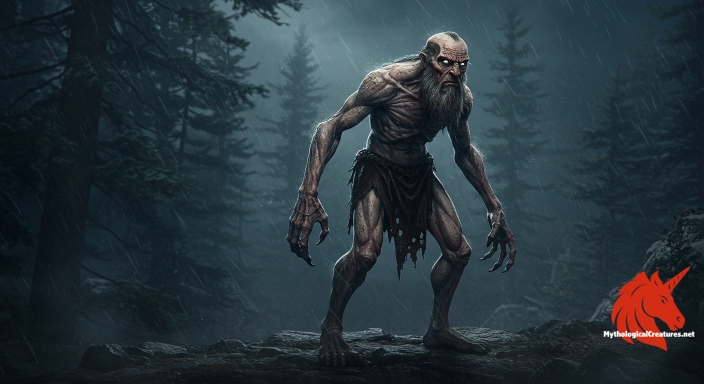
Dare to Meet the Türst....
The Mythological Creatures Book Series
Yōkai, Greek, Norse, Egyptian & Chinese. Five illustrated field guides to the creatures the old stories either warned or told you about.

Curated by the Mythological Creatures Team
Series editor: Mythological Creatures Directory
Primary desk: African & Diaspora Traditions Desk
(rev. November 2025)