
Mouros: The Mouros are a primordial race of supernatural beings from the Iberian Peninsula, known for their reclusive existence underground and their mastery in crafting enormous treasures.
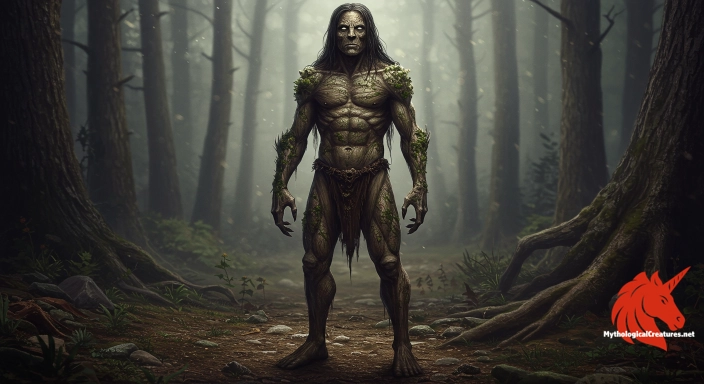
Mouros
Mouros - Represent the enigmatic and primordial forces tied to the earth and ancient traditions, acting as a counterpoint to mortal society.
the legend in five swipes.
the legend in five swipes.
When was the Mouros first written about?
This mysterious race of supernatural beings, known as the Mouros, has captivated Iberian imaginations for centuries. They are said to have inhabited the rugged landscapes of Galicia, Asturias, and Portugal since time immemorial. Their origins are steeped in an ancient haze of folklore, interwoven with natural and historical forces that shape the Iberian identity. Many narratives assert that these beings once roamed freely before being compelled to retreat into the depths of the earth. Their secretive underworld existence has become a central theme, reflecting both loss and the enduring spirit of a forgotten age. Observers recount sightings near ancient castros and long barrows, lending an air of timeless mystery to these historic sites. The Mouros are often depicted emerging during significant moments, such as the enchantment of Midsummer, thereby linking natural cycles with myth. Their story evokes a poignant interplay between the living realm and that of the eternal, inspiring a deep cultural resonance. This enduring myth serves as a symbolic bridge between humanity and the mysterious forces of nature. Over time, the legend of the Mouros has grown into a rich emblem of the ancient soul of the Iberian Peninsula.
The Source Texts Behind the Mouros
The wealth of legends surrounding the Mouros is preserved in a diverse collection of oral traditions and regional narratives. Folkloric accounts in Portuguese, Galician, and Asturian cultures offer a multitude of story variants that highlight both heroic and enigmatic facets of these beings. Local storytellers have woven their experiences and natural wonder into narrative tapestries that have been passed down through generations. Many of these tales feature recurring themes of hidden treasure and the secretive gathering of precious metals and gems. Written records, though fragmentary, also provide glimpses into early medieval perceptions of these subterranean entities. The philological insights, such as those linking the term to ancient Celtic roots, add an intriguing linguistic angle to their portrayal. Variants of the legend sometimes cast them as somber guardians of heritage while at other times as elusive beings emerging only on special occasions. The oral tradition preserves varying narratives where some communities see them as benevolent custodians and others as cautionary figures. Each regional variant not only enriches the folklore but also deepens the mystique enveloping these creatures. Collectively, these sources create a multifaceted tradition that reflects the enduring human fascination with the mystical and the unknown.
What abilities did the Mouros have?
Accounts of the Mouros offer a vibrant spectrum of physical portrayals that range from imposing giants to delicate, elf-like figures. Their appearance is often described as being tinged with an ethereal glow, as though they are illuminated by the very treasures they guard. Some depictions characterise them as formidable warriors, clad in garments reminiscent of ancient armour that hints at legendary battles far removed from modern memory. In contrast, other narratives present them as slight, almost whimsical sprites known locally as mourinhos or maruxinhos. Their features are thought to be marked by a timeless quality, with eyes that suggest the wisdom of bygone eras and skin that recalls the texture of the earth itself. Many stories emphasise the contrast between their grand, almost majestic demeanour and the humility of their hidden lifestyles beneath ancient mounds. Observers have noted that, when visible, they seem to merge with their natural surroundings, embodying the colours and textures of the rugged Iberian landscapes. Occasionally, subtle suggestions of metallic hues in their hair or eyes hint at their profound connection with gold, silver, and gemstones. Such varying descriptions underscore a mutable identity that has both martial and magical dimensions. The detailed physical portrayals ultimately invite endless interpretation, reflecting the elusive nature of these supernatural beings.
Mouros: Regional Versions and Local Names
The regional interpretations of the Mouros reveal a rich diversity that mirrors the varied cultural landscapes of the Iberian Peninsula. In Portugal, the legend has often embraced the image of the moura encantada, a bewitching figure whose mystique is intertwined with local traditions of hidden treasure. In Galicia, the Mouros are inextricably linked with ancient castros and long barrows, symbolising the deep historical roots embedded in the landscape. Asturian renditions, meanwhile, frequently portray them as reclusive figures whose rare appearances are shrouded in local ceremonial magic. These regional narratives not only differ in detail but also in the way they connect the mythical with the physical environment. Some communities view them as benevolent protectors of natural and ancestral assets, while others treat them with a wary respect that borders on superstition. The nuances in each tradition reflect unique local histories and the interplay between human civilisation and nature. Emphasis is often placed on the synchronisation of their appearances with seasonal cycles and local festivities. In every variant, the Mouros continue to be a living embodiment of regional identity and cultural memory. Such a varied regional portrayal manifests the broader human tendency to adapt shared stories to the contours of local experience.
How does the Mouros compare to figures in other traditions?
The myth of the Mouros finds intriguing parallels with a number of other mythological beings across Europe and beyond. In many ways, their secretive, subterranean existence and guardianship of treasure are reminiscent of the Celtic sidhe and their mysterious connection to the land. Similar motifs can be found in the legends of Norse dwarves and trolls, whose underground realms and affinity for precious metals mirror those of the Mouros. Across different cultures, the motif of an ancient, hidden race persists, underscoring a universal human fascination with what lies beneath the surface of the ordinary world. Parallels have also been drawn to the duende spirit in Spanish folklore, revealing common themes of mischief, mystery, and guardianship. While the specifics of their appearance and behaviour may differ, many of these mythic entities share a similar function as custodians of nature’s hidden bounties. The interplay between life, death, and rebirth that characterises the Mouros also finds echoes in other Mediterranean and Atlantic traditions. By comparing these various traditions, one sees how the challenges of explaining the unexplainable have led to analogous yet distinct mythical creatures. Such a comparative perspective enriches our understanding of the Mouros as part of a broader pan-European folklore. Ultimately, these cross-cultural links highlight the continuity of myth as a reflection of collective human experience.
Mouros in Books, Film and Games
The legacy of the Mouros has transformed remarkably from ancient mysticism into a vibrant symbol of regional heritage. In earlier times, their image was primarily associated with mystery and the protection of secret treasures suppressed beneath the earth. Over the centuries, their myth has evolved as local communities incorporated emerging cultural narratives and shifting worldviews. Modern reinterpretations often cast them as emblematic guardians of nature and the environment, resonating with today's ecological concerns. Artistic depictions in literature, cinema, and visual arts have reimagined these beings as much more than mere relics of ancient superstitions. Contemporary festivals and cultural events continue to celebrate their legend, linking old tales with modern identity and pride. The evolving narrative reflects a dynamic tradition that adapts to social changes while preserving the allure of the unknown. Local historians and cultural enthusiasts alike view the Mouros as a tangible connection to a lost, magical past. Modern reinterpretations have simultaneously reclaimed and redefined their attributes, celebrating the enduring interplay between myth and the natural world. As such, the Mouros persist as a potent symbol of the mystery, resilience and continuous reinvention of cultural identity in the Iberian Peninsula.
Interesting Fact
An intriguing aspect of the Mouros is the etymological link to the word 'mortuus', suggesting a profound connection with death and the ancient past, which adds a layer of depth to their mysterious character.
Mythological Treasures
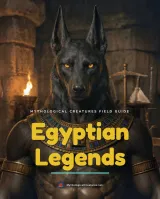
Egyptian Legends: A field guide to the gods and monsters of ancient Egypt
Guardians of the living and devourers of the dead, with the role each played in judgement.
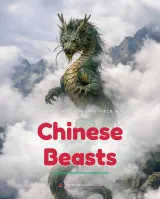
Chinese Beasts: A field guide to the dragons and demon kings of Chinese myth
From river dragons to demon kings, with the legends that shaped five thousand years of storytelling.
Japanese Yokai: A field guide to the spirits and demons of Japanese folklore
Fifteen spirits, with the signs to watch for and what the old tales say to do if you meet one.
the legend in five swipes.
Mythology commerce, done carefully
Align your store with our global myth audience
If you sell myth-inspired jewellery, prints, decks, or collectibles, we can feature your brand without overwhelming the reading experience.
Partner with usQuick Creature Info
Associations:
Our Mythic Legendary Rating:

Also Sometimes Known As:
Habitat:
Supernatural Powers:
Physical Attributes:
Abilities:
Behavior:
Lore:
Related Creatures, Tales or Lore
- AAos Sí
- LLeprechauns
- DDuendes
References
Discover Another Mythical Legend You May Not Have Heard Of?
Uncover the mysteries of ancient folklore and expand your knowledge of legendary beings from cultures around the world.
Dare to Meet the Cryptid whale....
The Mythological Creatures Book Series
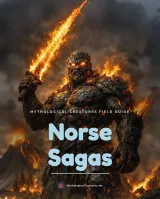
Yokai, Greek, Norse, Egyptian & Chinese. Five illustrated field guides to the creatures the old stories either warned or told you about.
Curated by the Mythological Creatures Team
Series editor: Mythological Creatures Directory
Primary desk: Hellenic & Ancient Mediterranean Desk
(rev. November 2025)