
Njörðr: Njörðr is a Norse god of the sea, wind, fishing, wealth, and crop fertility among the Vanir.
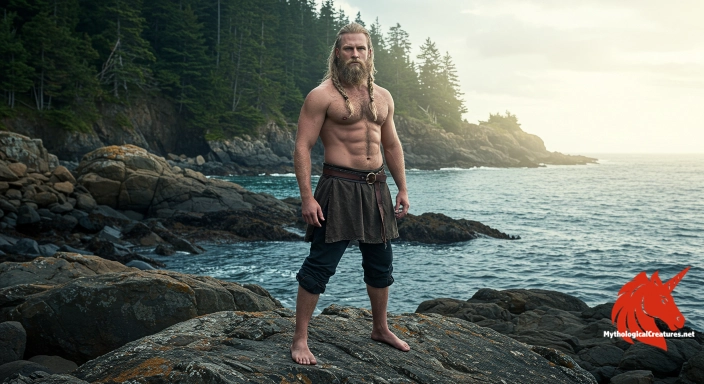
Njörðr
Njörðr - Njörðr is celebrated not only for his dominion over the sea and wind but also for his influence on wealth, fishing, and agricultural prosperity in Norse tradition.
Origins & First Encounters
Njörðr emerges from the rich tapestry of Norse mythology as a revered deity of the Vanir, embodying the essential forces of the sea and fertile land. His origins are deeply rooted in ancient Scandinavian belief systems where the interplay between nature and divinity was paramount. He is historically celebrated as the father of Freyr and Freyja, a connection that underlines his role in both maritime prosperity and crop fertility. Early attestations of his character are preserved in texts like the Poetic Edda and the Prose Edda, which capture his multifaceted influence. His residence in Nóatún symbolically links him to the vast, mysterious oceans and the bounty of the coastal world. The mythic narratives that feature him also highlight his complex familial relationships and his ill-fated union with the goddess Skaði. His veneration is further evidenced by the survival of his name in numerous Scandinavian place names and folk traditions that persisted well beyond the Viking Age. In essence, Njörðr’s enduring legacy encapsulates the human fascination with the sublime forces of nature, making him a central figure in the Norse pantheon.
Source Texts & Tale Variants
Njörðr’s myth is richly documented through a variety of ancient literary sources that span several centuries. The Poetic Edda and the Prose Edda offer foundational insights into his character and divine exploits, preserving his association with the sea, wealth, and fertility. Later medieval works, such as Heimskringla, further embed his persona within the legendary history of early Scandinavian kingship and divine ancestry. Regional folklore adds further dimensions, with coastal communities recounting his benevolent interventions that ensure a bountiful catch and prosperous harvests. Various oral traditions and skaldic verses have enriched his narrative, contributing alternative perspectives on his nature and deeds. The persistence of his name in documented ring oaths, such as those recorded in the Hauksbók, demonstrates the ritualistic importance he held among ancient seafarers. Over time, variations in his story have emerged, reflecting local adaptations and the evolving cultural landscape of the Norse world. Such diverse accounts contribute to a layered and enduring portrayal of Njörðr that continues to fascinate modern enthusiasts of mythology.
Form & Powers
Depictions of Njörðr, although not abundant, evoke an image of a deity whose presence mirrors the tranquil yet powerful nature of the sea. His features are often imagined to be as weathered and enduring as the coastal cliffs, bearing the marks of a life spent in harmony with the elements. Many artistic renditions suggest that his eyes capture the deep, shifting hues of the ocean, reflecting both wisdom and mystery. Illustrations occasionally show him with a wind-swept beard and flowing hair, reminiscent of the salty breeze along rugged shores. His garments are thought to incorporate colours and patterns evoking the marine world, with blues and greens that symbolise his connection to water and fertility. In some portrayals, his stature is robust and dignified, embodying both the nurturing and tempestuous qualities of the sea. The imagery surrounding him is crafted to evoke the dynamic interplay between calm harbours and stormy expanses. These creative visualisations, although varying in detail, consistently present Njörðr as a striking embodiment of nature’s enduring power.
Regional Faces
The conceptualisation of Njörðr has varied significantly across different parts of Scandinavia, adapting to the local cultural and environmental contexts. Coastal Norwegian traditions, for example, revere him as a benevolent protector of fishermen and a guarantor of abundant marine life. In Swedish lore, his image is often interwoven with regal attributes, reflecting narratives that elevate him within a mytho-historical framework. Icelandic sagas imbue his character with a sense of mysticism, where the interplay of land and sea takes on a narrative of both beauty and unpredictability. Danish interpretations tend to stress his role as an intermediary between the capricious forces of nature and the human pursuit of stability. In many rural communities, he was transformed into a more accessible guardian spirit whose blessings were invoked during seasonal festivals. Such regional variations highlight a dynamic process where local customs, environmental conditions, and cultural needs reformed his image over time. Consequently, Njörðr’s multifaceted nature is celebrated in varied local traditions, each adding unique nuances to his mythic character.
Cultural Parallels
Njörðr’s mythological persona invites comparison with other deities who govern natural and maritime forces across various cultures. Within the Germanic tradition, he is frequently linked to the figure of Nerthus, suggesting a shared lineage within ancient nature cults. His dual role as a god of both the sea and fertility finds echoes in classical deities like Poseidon, though Njörðr maintains a distinct focus on the prosperity that sustains agrarian life. Similar themes appear in Celtic and Baltic mythologies, where water deities also symbolise the nurturing aspects of nature alongside its potential for destruction. This blending of serene fertility with the unpredictable thrash of the ocean gives him a unique place among mythological figures worldwide. Comparative analysis reveals that while deities such as Poseidon are often depicted with overwhelming tempestuous power, Njörðr also embodies a gentler, more nourishing side. These parallels underscore the universal human need to personify natural forces that govern livelihood and survival. Such cross-cultural connections enrich our understanding of Njörðr, positioning him as a bridge between diverse mythological traditions that celebrate nature’s dual characteristics.
Legacy & Modern Evolution
Over the centuries, the portrayal of Njörðr has undergone a fascinating evolution that mirrors the shifting cultural and religious landscapes of the Norse world. In medieval texts, he is depicted as a potent deity whose control over the sea and harvest underscored his vital role in both mythology and everyday life. As the transition from pagan traditions to Christianity unfolded across Scandinavia, many of his attributes were reinterpreted or absorbed into local folklore. His name endured in the place-names and ritual practices of coastal communities, where seafarers and farmers alike invoked his blessings for success and safety. Modern artistic interpretations have revived his image, often portraying him as a symbol of the enduring connection between humankind and the natural world. Contemporary literature and visual arts continue to draw on his mythic heritage, celebrating the blend of beauty, danger, and providence inherent in the sea. The evolving legacy of Njörðr reflects a broader cultural narrative of adaptation, whereby ancient myth is reimagined to resonate with modern values and environmental concerns. Ultimately, his enduring presence in both scholarly discourse and popular culture attests to the timeless appeal of his myth and the deep-rooted human fascination with the forces of nature.
Interesting Fact
A notable facet of Njörðr’s myth is his dual marital association—his union with the goddess Skaði contrasts with his incestuous liaison with his unnamed sister, a complexity that highlights the multifaceted nature of divine relationships in Norse mythology.
Reach myth fans
Connect your myth-driven brand with this audience
Our readers are writers, educators, gamers, and collectors who care about mythology. Enquire about a limited sponsor placement on creature pages.
Enquire about sponsorshipQuick Creature Info
Origin:
Associations:
Our Mythic Legendary Rating:

Also Sometimes Known As:
Habitat:
Supernatural Powers:
Abilities:
Behavior:
Lore:
Related Creatures, Tales or Lore
References
Discover Another Mythical Legend You May Not Have Heard Of?
Uncover the mysteries of ancient folklore and expand your knowledge of legendary beings from cultures around the world.
Dare to Meet the Inugami Gyōbu....
Curated by the Mythological Creatures Team
Series editor: Mythological Creatures Directory
Primary desk: Northern & European Folklore Desk
(rev. November 2025)