
Ojáncanu: The Ojáncanu is a giant cyclops from Cantabrian mythology known for its brutal nature and superhuman strength.

Ojáncanu
Ojáncanu - Represents raw, untamed power and serves as a cautionary figure in Cantabrian lore.
the legend in five swipes.
the legend in five swipes.
How did the Ojáncanu enter folklore?
The Ojáncanu emerges from the mists of Cantabrian lore as a towering symbol of savagery and unbridled power. His origins are entwined with the raw and rugged landscapes of northern Spain, where folklore breathes life into the legend. Initially passed down through generations via oral tradition, the myth of this cyclopean giant has grown richer with each retelling. His fearsome reputation as an embodiment of cruelty and brutality resonates with the natural chaos of the wilderness. The figure is portrayed as both a destructive force and an almost elemental representation of nature’s untamed spirit. In local narratives, his existence challenges the balance between human civilisation and the wild unknown. Each account of his deeds contributes to a broader cultural mosaic that highlights both caution and fascination. His mythological presence continues to evoke awe among those who live in tune with the ancient traditions of the Cantabrian region. The Ojáncanu, in essence, represents an archetypal force that bridges myth with the stark realities of the landscape.
How many versions of the Ojáncanu story are there?
The earliest mentions of the Ojáncanu are found in a patchwork of oral narratives and regional manuscripts that have been lovingly preserved over centuries. Treasured in the local memory, these stories were initially transmitted by word of mouth before later appearing in folklore collections and regional treatises. Some sources highlight his savage combats with local fauna, while others concentrate on his unique vulnerabilities and monstrous features. Variations in the narratives have allowed storytellers to adapt his character to fit the moral and cultural aspirations of their times. In several accounts, the emphasis is placed on his single white hair as a fatal exception, symbolising an enigmatic influence in the creature’s lore. Notably, differing regional texts portray subtle differences in his mannerisms and the specific details of his destructive exploits. These diverse accounts contribute to a multi-layered understanding of his character, adding depth to the myth over successive generations. A rich tapestry of legend now envelops the Ojáncanu, demonstrating the fluidity of myth-making across time and community. His persistent presence in regional literature continues to invite debate over the true origins and meaning of his savage tale.
Ojáncanu: Size, Shape and Strange Features
The physical depiction of the Ojáncanu is as striking as it is terrorising, presenting him as a cyclopean giant standing between 10 and 20 feet tall. Every aspect of his physique is amplified to monstrous proportions, from his oversized limbs that boast ten digits on each extremity to his formidable build. His powerful jaws are lined with two rows of teeth, each set sharper than the last, ready to rend both wood and stone. A mane of vivid red hair cascades wildly from his head, complemented by an equally unruly beard that flows almost to the ground. Intriguingly, within this chaotic tangle of facial hair lies a solitary white strand that serves as his singular point of vulnerability. His single eye, set deep in his colossal face, burns with an intensity that speaks of ancient enmity and harsh existence. Female counterparts, known as Ojáncana, mirror many of these traits while replacing the bearded visage with striking long, drooping breasts that require a peculiar carriage during motion. Their physicality equally combines elements of ferocity and otherworldly beauty, making them emblematic figures in their own right. Overall, each detail of his anatomy is crafted to evoke a sense of awe and mortal dread, reinforcing his role as a living embodiment of primordial power.
How does the Ojáncanu legend change from place to place?
Although the legend of the Ojáncanu has its roots in Cantabrian mythology, its portrayal has morphed subtly across different localities. In isolated mountain hamlets and coastal communities alike, variations in the narrative often adjust his size, temperament, and even the intricacies of his appearance. Some rural traditions accentuate his monstrous dimensions as a reflection of nature’s unchecked might, while others highlight the creature’s solitary vulnerabilities. Local storytellers have also adapted his myth to incorporate regional flora, such as oak and yew trees, thereby grounding his lore in the very landscape of Cantabria. In neighbouring areas, regional legends embrace a slightly softened version of his brutality, using his tale as a cautionary reminder of human hubris. The distinctive physical attributes, like the extra digits and wild, tumbling hair, are sometimes embellished or understated depending on the geographical context. Oral accounts passed down through generations have interwoven local dialect and cultural symbols into his character. Even the rhythmic cadence of his deeds, from uprooting rocks to clashing with native wildlife, is recounted with a flavour unique to each locale. These regional adaptations not only enrich the core myth but also reflect the diverse cultural identities that resonate throughout the Cantabrian landscape.
Which myths echo the story of the Ojáncanu?
The Ojáncanu shares a kinship with many mythological giants across various cultures, echoing the cyclopic figures familiar from ancient Greek tales. His depiction, with exaggerated features and unparalleled physical strength, finds parallels in the legendary beings of both Celtic and Norse traditions. Much like the formidable Cyclops of classical mythology, his solitary eye and brute force underscore the theme of nature’s raw and untamed power. Both revered and reviled, such giants often serve as metaphors for the colossal challenges faced by humankind in its struggle against the forces of nature. The unusual aspect of his reproduction, through the distribution and reburial of his being, resonates with other mythic cycles of renewal and decay found in rural lore. Similar to other regional entities, his presence is intertwined with moral cautionary tales, warning of the perils inherent in opposing nature’s will. The duality of his character, coupling monstrous strength with an unexpected point of weakness, allows for layered interpretations. In comparative folklore studies, his narrative stands as a testament to how different cultures conceptualise the balance between order and chaos. Ultimately, the themes surrounding the Ojáncanu highlight a rich cross-cultural dialogue where monstrous form and symbolic vulnerability interlace to form enduring legends.
Why does the Ojáncanu still matter?
Through the centuries, the figure of the Ojáncanu has undergone a remarkable transformation in both iconography and cultural significance. Originally a symbol of terror and the untamable ferocity of nature, his image has slowly been reinterpreted to reflect changing societal values. Modern storytellers and artists have found in him a complex character that can embody both ancient malevolence and a certain tragic grandeur. Contemporary literature and visual arts frequently reframe his narrative as one of misunderstood might, blending elements of horror with dynamic mythic allegory. His enduring prominence in local festivals and cultural exhibitions attests to his continued relevance in regional identity. As modernity has recontextualised many of his brutal traits, the Ojáncanu now also serves as a muse for discussions on ecological stewardship and the forces of natural rebellion. The evolution of his myth mirrors broader shifts in cultural consciousness, where old legends are both preserved and reimagined for new generations. In academic and popular discourse alike, his character continues to inspire analyses that delve into the interplay of myth, nature, and society. Even today, while remaining a cautionary figure of ancient dread, the Ojáncanu is celebrated as a magical relic of Cantabrian heritage that challenges and enchants those who explore his storied past.
Interesting Fact
An intriguing aspect of the Ojáncanu is its unconventional reproductive ritual, which involves the communal distribution of a deceased individual's insides and their burial under sacred oak or yew trees.
Mythological Treasures
Japanese Yōkai: A field guide to the spirits and demons of Japanese folklore
Fifteen spirits, with the signs to watch for and what the old tales say to do if you meet one.
Greek Myths: A field guide to the monsters of ancient Greece
Every monster here earned its place in legend, and each gets a full page of artwork and the story behind it.
Norse Sagas: A field guide to the beasts of the Viking world
Drawn from the saga accounts themselves, with the powers, weaknesses and doom of each being set out.
the legend in five swipes.
Reach myth fans
Connect your myth-driven brand with this audience
Our readers are writers, educators, gamers, and collectors who care about mythology. Enquire about a limited sponsor placement on creature pages.
Enquire about sponsorshipQuick Creature Info
Our Mythic Legendary Rating:

Habitat:
Supernatural Powers:
Physical Attributes:
Abilities:
Behavior:
Weaknesses:
Lore:
Related Creatures, Tales or Lore
- PPolyphemus
- BBrontes
- SSteropes
References
Discover Another Mythical Legend You May Not Have Heard Of?
Uncover the mysteries of ancient folklore and expand your knowledge of legendary beings from cultures around the world.
Dare to Meet the Umay....
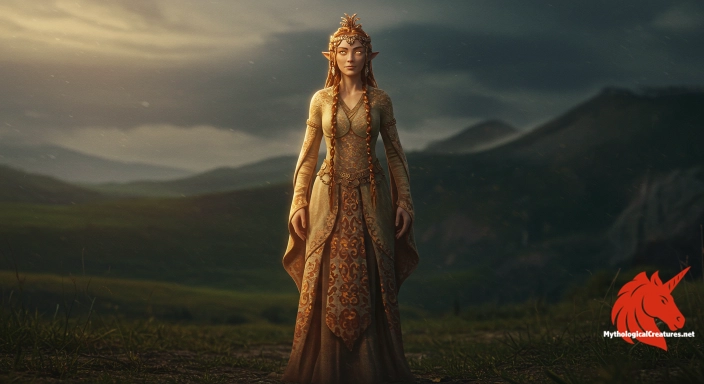
The Mythological Creatures Book Series
Yōkai, Greek, Norse, Egyptian & Chinese. Five illustrated field guides to the creatures the old stories either warned or told you about.
Curated by the Mythological Creatures Team
Series editor: Mythological Creatures Directory
Primary desk: Hellenic & Ancient Mediterranean Desk
(rev. November 2025)