
Ōmononushi: Ōmononushi is a prominent kami in Japanese mythology, closely associated with Mount Miwa in Nara Prefecture.
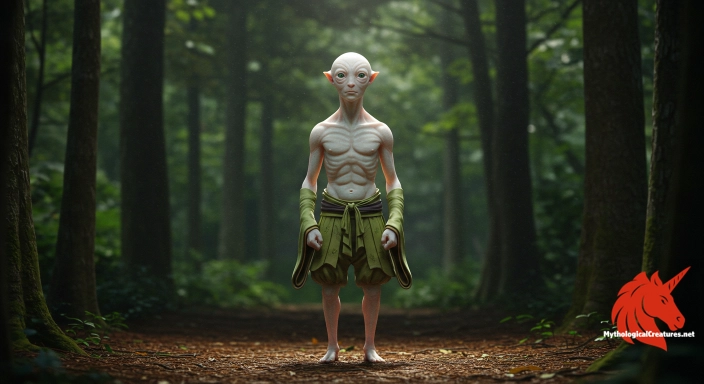
Ōmononushi
Ōmononushi - A central figure in the imperial myth cycle, Ōmononushi embodies the sacred spirit of nature and serves as an enduring symbol of divine protection in ancient Japan.
Origins & First Encounters
Ōmononushi stands as a remarkable figure in the ancient tapestry of Japanese mythology, embodying the spirit of natural power and divine mystery. His origins are interwoven with the sacred landscape of Mount Miwa, where the vibrant contours of nature amplify his celestial presence. The deity’s earliest ethereal manifestations are recorded in venerable texts from the early 8th century, bestowing upon him an air of historical legacy. As a kami, he represents the living embodiment of nature’s might, inspiring awe among communities through his profound connection with the environment. His narrative intertwines with the imperial myth cycle, and his close association with earthly kami highlights the fluid boundaries between nature and the divine. Ōmononushi is venerated not merely as an abstract force but as a timeless emblem of Japan’s spiritual heritage. Over time, his myth has accrued layers of rich symbolism that emphasise both his mysterious origins and enduring relevance. Local traditions continue to celebrate his role in maintaining the harmonious balance between mankind and nature. His enduring allure reflects a deep integration of divine power with the natural world.
Source Texts & Tale Variants
Ancient narratives provide a rich tapestry from which Ōmononushi’s legacy emerges, with the Kojiki and Nihon Shoki offering seminal accounts of his divine presence. In these early chronicles, he is recorded under the name Ohomononushi, a title that underscores his elevated status among the pantheon of kami. Various textual traditions reveal his close association with the earthly deity Ōnunushi, at times portraying him as a spiritual emanation of that revered figure. Layers of folklore have since introduced numerous narrative variants that embellish his myth with subtle regional nuances. Shrine records and ritual documentation further perpetuate stories of his guardianship over sacred sites. Oral traditions, handed down through generations, interlace his divine exploits with the natural landmarks that characterise his domain. The multiplicity of narrative strands enriches the historical record with a dynamic interplay of myth and ritual practice. Diverse interpretations over the centuries have rendered his tale both mutable and resilient, allowing his ancient identity to resonate with contemporary devotees. The synthesis of these textual and oral sources continues to inspire both scholarly inquiry and popular reverence.
Form & Powers
In the realm of visual representation, Ōmononushi is seldom confined to a fixed corporeal form, instead embodying a fluid manifestation of nature’s intrinsic qualities. His depiction in artefacts and shrine iconography tends toward abstract imagery that echoes the lush forests, flowing streams, and rugged stones of his sacred domain. Traditional artistic renditions focus on these natural symbols rather than on strict anthropomorphic features, emphasising the elemental forces under his protection. The absence of a definitive physical likeness underscores the belief that divine power transcends ordinary form. Occasionally, ceremonial objects and subtle motifs hint at a benevolent yet formidable presence, suggesting that his essence permeates the natural world. His visage is sometimes intermingled with that of the landscape itself, where every natural component stands as a testament to his spirit. Detailed local artworks reveal intricate patterns that evoke a harmonious union between human sensibility and the raw power of nature. The interplay of light and shadow within these depictions accentuates a sense of enigma and majesty. Ultimately, his physical portrayal invites observers to experience nature’s divine artistry, capturing both strength and serenity in every form.
Regional Faces
Although Ōmononushi’s heart lies in the Nara region, his influence extends far beyond conventional geographical boundaries. His primary association with Mount Miwa is celebrated in the area surrounding Sakurai, where the natural environment is revered as a living tapestry of divinity. In regions such as Ibaraki Prefecture, local shrines like Ōsugi Shrine have embraced his presence to fortify regional identity and promote agricultural prosperity. The adaptation of his identity into Konpira Daigongen at Kotohira Shrine in Kagawa illustrates how his myth seamlessly integrates with local cultural contexts, blending indigenous Shinto elements with aspects of Buddhist iconography. These regional adaptations enable communities to interpret his powers in alignment with local spiritual and social needs, from fertility to protection. Over time, such variations have produced a colourful mosaic of worship practices that reflect both continuity and change. Rural folktales and regional festivals further embellish his character with unique narrative details that resonate with local customs. The diversity of his regional expressions underscores the flexibility of myth and the capacity of sacred traditions to evolve. This rich regional legacy testifies to the enduring interplay between place, tradition, and divine influence.
Cultural Parallels
Ōmononushi’s myth finds compelling parallels with earth and nature deities across diverse cultural landscapes, illustrating universal themes of reverence for the natural world. His enduring connection to nature invites comparison with deities in other traditions that embody the spirit of the land. Within Japan, his close kinship with Ōnunushi mirrors a conceptual framework where divine aspects are seamlessly interwoven with earthly existence. His depiction, often abstract and symbolic, resonates with global mythologies that elevate natural forces to the status of the sacred. Such thematic overlaps extend to ancient Chinese traditions, where the harmony between humanity and the natural world is also celebrated. The transformation of his identity into Konpira Daigongen further emphasises his adaptability, a trait common to syncretic deities across various cultures. Artistic and literary portrayals reinforce these insights, underscoring the ways in which diverse traditions communicate the sacred through nature. His rich and textured symbolism operates as a nexus where universal human experiences converge with culturally specific ritual practices. This comparative perspective highlights a shared symbolic heritage that unites disparate mythologies in their celebration of nature’s omnipresent power.
Legacy & Modern Evolution
Ōmononushi’s legacy offers a fascinating glimpse into the evolution of Japanese spiritual thought from ancient tradition to modern cultural identity. Over the centuries, his character has been reshaped by the interplay of Shinto beliefs and Buddhist influences, resulting in adaptations that mirror Japan’s evolving religious landscape. Early portrayals in revered chronicles have given way to more nuanced depictions that bridge archaic rites with contemporary cultural and ecological narratives. Once known primarily through ritual practices at Mount Miwa, he now inspires artistic endeavours that reimagine his divine essence for modern audiences. Festivals, community rituals, and local initiatives continuously celebrate his enduring presence, reaffirming his role as both protector and symbol of natural splendour. Modern interpretations frequently explore his relevance within environmental discourse, emphasising the intrinsic link between nature conservation and spiritual heritage. The evolution of his iconography reflects a dynamic blend of ancient tradition with modern reimagination, capturing the spirit of both eras. His enduring influence is visible in the persistence of age-old practices alongside innovative cultural expressions. Today, Ōmononushi remains a potent emblem of Japan’s rich mythological heritage, bridging the ancient past and the vibrant present with a promise of lasting continuity.
Interesting Fact
An intriguing aspect of Ōmononushi is his dual identity; he is often regarded both as an independent deity and as the mitama (spirit essence) of Ōkuninushi, highlighting the fluidity of divine identity in Shinto belief.
For serious myth projects
Feature your work alongside the legends
From academic works to story-rich games, we highlight projects that respect world mythologies. Talk to us about a measured, long-term placement.
Start a conversationQuick Creature Info
Features:
Associations:
Our Mythic Legendary Rating:

Also Sometimes Known As:
Habitat:
Supernatural Powers:
Physical Attributes:
Abilities:
Behavior:
Lore:
Related Creatures, Tales or Lore
- ŌŌkuninushi
- AAme-no-Minakanushi
- AAmaterasu
References
Discover Another Mythical Legend You May Not Have Heard Of?
Uncover the mysteries of ancient folklore and expand your knowledge of legendary beings from cultures around the world.
Dare to Meet the German....
-fbc9d291-8fac-45b4-8e62-847d4d8daaf1_small.webp "Depiction of German")
Curated by the Mythological Creatures Team
Series editor: Mythological Creatures Directory
Primary desk: Asian & Pacific Myth Cycles Desk
(rev. November 2025)