
Ördög: Ördög is a demonic, shape-shifting creature from Hungarian mythology known for his dark and corruptive influence.
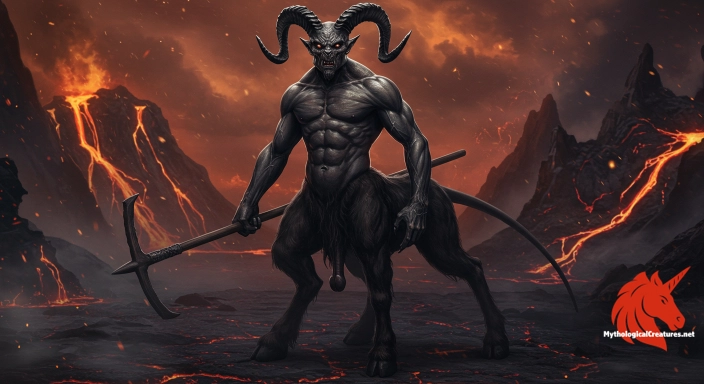
Ördög
Ördög - Represents the dark, corruptive forces in the world and embodies the duality of creation and malevolence in Hungarian lore
Origins & First Encounters
The mythic figure known as Ördög emerges from the depths of Hungarian folklore as a complex emblem of both creation and corruption. Its origins lie in the pre-Christian era, when narratives of primal forces shaped the tapestry of early Hungarian belief systems. The creature is depicted as a powerful, shape-shifting presence capable of influencing the forces of dark energy and moral ambiguity. In ancient lore, Ördög is portrayed as an entity that once aided the divine in the creation of the world, suggesting a paradoxical role in the cosmic order. Over time, this ambiguous role was transformed through the lens of Christian theology, ultimately aligning the creature with the devil and the forces of sin. The evolution of its persona reflects the dynamic interplay between pagan tradition and emerging religious doctrines. Local legends colour its character with a mystique that blends elements of the supernatural with the quotidian world of human experience. As the guardian of an underworld cauldron filled with the souls of the wayward, its myth speaks to the timeless concerns of fate, morality, and mortality. Transcending simple categorisation, Ördög personifies the eternal struggle between light and darkness. With each retelling, its legacy adapts to the cultural and spiritual ethos of successive generations.
Source Texts & Tale Variants
The earliest allusions to Ördög are woven into a complex tapestry of oral tradition and scant written records, where the creature's presence looms large despite limited textual evidence. Ancient chronicles and fragmented manuscripts from the pagan era provide glimpses into its mythic role, even if they often leave room for ambiguity. Historical texts discreetly reference the entity in discussions of world creation myths, where its actions intersect with divine endeavours. Folkloric recitations preserved by local storytellers have ensured that multiple renditions of its tale continue to circulate through the generations. Some versions articulate detailed accounts of Ördög’s ventures on earth, including his elusive bets with human souls and his tendency to inhabit the hidden places of mortal dwellings. Other narratives, transmitted on festive nights or during ritualistic recounting, emphasise its capricious nature. Translations of these stories into Latin and later vernaculars have further diversified how the creature is understood across cultures. The variance in these primary sources highlights a fluidity in Ördög's character, illustrating how local adaptations have sculpted his myth over time. Each distinct version contributes a unique perspective to the broader narrative of moral wonder and dread endemic to Hungarian lore.
Form & Powers
Ördög is vividly embodied with an amalgamation of human and bestial traits, crafting an iconography that is both arresting and unsettling. His upper body retains the semblance of a human male, adding a layer of relatable humanity to his otherwise demonic form. In stark contrast, his lower body mirrors that of a goat, complete with cloven hooves that tread the line between the natural and the supernatural. The creature is often described as being enveloped in a deep, pitch-black hue, evoking images of the void and the mysteries of the underworld. Ram-like horns jut from his head, commanding attention and symbolising a primal authority. A long, sinuous tail – crowned with a blade-like tip – completes his imposing silhouette. One of the more distinctive, if provocative, elements of his appearance is an excessively large phallus, which carries connotations of fertility and unbridled lust. Carrying a pitchfork, he wields this implement not only as a weapon but also as a signifier of his role in reaping the souls of the corrupt. Each anatomical detail is crafted to accentuate his role as both a tempter and a tormentor. Across various depictions, these features merge to form a creature whose physicality is as dynamic and multifaceted as the myths that envelop him.
Regional Faces
Across Hungary, the portrayal of Ördög reflects a rich diversity that is as geographically varied as the lush landscapes and rugged terrains of the region. In rural areas, he is often envisioned as a spectral guardian of untamed wilderness, blending seamlessly with the natural elements of the countryside. Some local legends depict him as a resourceful trickster who can slip unnoticed into the fabric of everyday life, sometimes hopping between the guise of a fox and that of a dark flame. In mountainous or forested regions, echoes of his presence are interwoven with folk rituals designed to ward off malevolent forces. Variations in narrative detail demonstrate how community identity and regional colour can shape the creature’s characteristics, from the intensity of his eyes to the subtleties of his vocal manifestations. Stories recounted in different villages sometimes cast him in the role of a deceptive shepherd, whose dark, sparkling eyes betray an underlying otherworldliness. The reliability of supernatural occurrences is often linked to local environmental lore, which imbues every sighting with a flavour unique to the area. Traditional festivals and seasonal rituals have further adapted his myth, reinforcing his connection to both the subversive and the mysterious facets of nature. Such regional interpretations not only enhance his mythic versatility but also deepen the cultural resonance of his legend. Local adaptations continue to preserve these variations, ensuring that Ördög remains an enduring part of Hungary’s mythological heritage.
Cultural Parallels
The figure of Ördög presents fascinating parallels to various demonic and shapeshifting entities across the world, contributing to a rich comparative mythological discourse. His dual nature, straddling both human and beast, draws immediate comparison to the Greek satyrs and Roman fauns, who similarly embody a fusion of wild, instinctual power with hints of civilisation. Much like these classical figures, Ördög’s presence challenges the boundaries between order and chaos, intertwining the sacred with the profane. His role in collecting and manipulating souls resonates with other cultural archetypes of the devil, where a demonic figure serves as both a seducer and a punisher. The motif of a creature associated with both life creation and moral downfall appears in various Indo-European traditions, expanding the significance of his myth. His ever-changing appearance further aligns him with trickster deities found in Nordic and Celtic mythologies, where shape-shifting signifies deeper metaphysical transformations. The shared symbolism of horns, hooves, and a pitchfork underscores a collective cultural imagery that transcends regional boundaries. Cross-cultural analysis reveals that Ördög is not an isolated anomaly but part of a broader tradition that uses physical extremities to denote the transgression of natural laws. These analogies underscore the universal human preoccupation with the interplay between light and darkness, order and disorder. By examining these cultural parallels, one gains insight into the enduring archetypal themes that continue to shape mythic narratives worldwide.
Legacy & Modern Evolution
Throughout the centuries, the myth of Ördög has experienced profound metamorphosis, reflecting shifts in spiritual beliefs and cultural values within Hungarian society. Initially rooted in a pagan worldview, Ördög was once a multifaceted symbol embodying both creative energy and latent chaos. As Hungarian culture gradually embraced Christianity, his image was transformed, adapting to a narrative that cast him unmistakably as a demonic tempter. This reinterpretation led to his reimagining as a being solely dedicated to the corruption of human souls, aligning him with the broader iconography of the Christian devil. Yet, modern reinterpretations tend to re-embrace his complex legacy, acknowledging hints of his original, ambivalent nature. Contemporary art, literature, and even cinema have revisited the legend of Ördög, portraying him as both a cautionary figure and a subject of aesthetic fascination. His enduring reputation prompts reflections on the nature of evil and its mutable representations across time. Digital media and modern fantasy genres have further explored his shapeshifting qualities, revitalising the myth for new audiences. Revivalists within cultural circles seek to reclaim the creature’s more enigmatic attributes, balancing historical demonisation with ideas of metamorphosis and moral ambiguity. The evolution of Ördög’s narrative serves as a dynamic mirror, reflecting not only shifts in mythic interpretation but also the ongoing dialogue between ancient tradition and modern imagination.
Interesting Fact
A notable aspect of Ördög's mythology is his dual role—serving both as a creator's aide and as a corruptor of souls—underscoring the complex moral landscape of early Hungarian beliefs.
Support the directory
Promote your myth project and fund more research
Sponsor placements help keep this directory growing and free to use while giving your work a focused, relevant audience.
Learn how sponsorship worksQuick Creature Info
Origin:
Features:
Associations:
Our Mythic Legendary Rating:

Also Sometimes Known As:
Habitat:
Supernatural Powers:
Physical Attributes:
Abilities:
Behavior:
Weaknesses:
Lore:
Related Creatures, Tales or Lore
References
Discover Another Mythical Legend You May Not Have Heard Of?
Uncover the mysteries of ancient folklore and expand your knowledge of legendary beings from cultures around the world.
Dare to Meet the Alseid....
Curated by the Mythological Creatures Team
Series editor: Mythological Creatures Directory
Primary desk: Northern & European Folklore Desk
(rev. November 2025)