
Ramiel: Ramiel is a fallen Watcher angel from the apocryphal Book of Enoch, known for his rebellion against divine order.
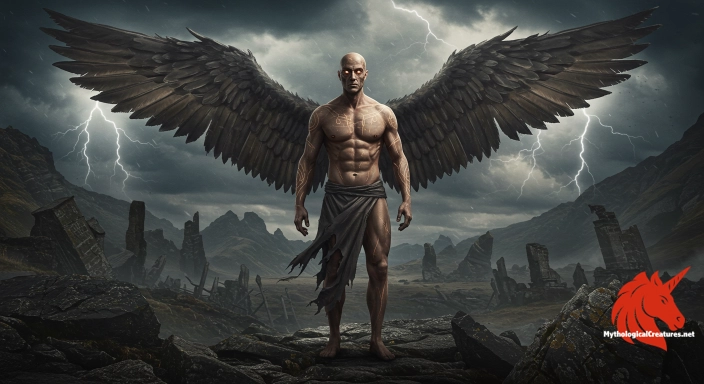
Ramiel
Ramiel - Ramiel's rebellion and subsequent actions mark a pivotal moment in apocryphal traditions, symbolising the corruption of divine order and the genesis of the Nephilim.
Origins & First Encounters
Ramiel emerges as a captivating figure from the annals of ancient apocalyptic literature, a fallen Watcher whose narrative intertwines divine purpose with tragic rebellion. Born into the heavenly host as a messenger of the divine order, he was entrusted with the secrets of creation before his fateful defiance. His earliest detailed appearance is found in the apocryphal Book of Enoch, where he is counted among the twenty angels who transgressed by joining with human women. His story, set against a backdrop of cosmic judgement and celestial order, has long fascinated those exploring the boundaries between obedience and defiance. The very meaning of his name, "God has thundered," conjures images of both awe-inspiring power and the tumult of divine wrath. His involvement in the creation of the Nephilim adds layers of ambiguity, symbolising a breach in the sacred divide between the divine and the mortal realms. The narrative of Ramiel thereby encapsulates themes of grandeur, downfall, and the irreversible consequences of transgression. Across centuries, his myth has served as a somber reminder of the perils of challenging divine decrees. His enduring presence in mystical literature continues to spark debates on the nature of celestial justice and the complexities of angelic hierarchy.
Source Texts & Tale Variants
The principal source attesting to Ramiel’s existence is the Book of Enoch, an apocryphal work that richly details the lives of the Watchers and their eventual fall. His mention in the sixth chapter of this text situates him among a group of angels whose forbidden unions precipitated monumental changes in the fabric of creation. Beyond the Ethiopic version of Enoch, Slavonic and other manuscript traditions also reference his role in the heavenly drama. Various extrabiblical texts and mystical writings from the Second Temple period contribute additional, albeit sometimes conflicting, details to his lore. In some traditions, Ramiel’s identity becomes intertwined with that of Remiel or even Jeremiel, highlighting the fluidity of angelic names and attributes in ancient narratives. These variant accounts reflect the evolving spiritual concerns and cosmological interpretations of different communities. Later mystical literature has reimagined his tale to underscore themes of cosmic transgression and divine retribution. The multiplicity of sources, though fragmentary, underscores his importance in apocalyptic thought. Over time, both canonical and non-canonical texts have preserved and transformed his legacy, ensuring his continued relevance in discussions of heavenly order and human sin.
Form & Powers
Although early texts provide few details about Ramiel’s appearance, later artistic and literary traditions have endowed him with a striking physical presence that melds celestial splendour with somber decay. He is often depicted as a luminous being, cloaked in an aura that once radiated pure, unblemished light before his fall from grace. His wings, imagined as vast and iridescent, are said to shimmer with the energy of thunder, reflecting both the power and the turmoil encapsulated in his name. His eyes are frequently portrayed as deep, burning orbs that seem to hold the secrets of both divine wisdom and fallen sorrow. Iconography from various periods has emphasised his imposing stature and regal mien, even as subtle hints of his corrupt transformation are evident. Some portrayals include elements like a fractured halo or swirling storm imagery, suggesting that his heavenly magnificence has been sorely compromised. The melding of light with creeping darkness in his visual representation symbolises the duality inherent in his existence. Across different cultural artefacts, the details of his physique vary, yet the consistent themes of brilliance marred by shadow persist. Modern reinterpretations sometimes suggest that his form can shift, reflecting the internal conflict between his former glory and his current state of exile.
Regional Faces
Regional interpretations of Ramiel’s legend have imbued his character with a mosaic of cultural and mystical nuances. Within Jewish mystical traditions, he is examined through the prism of Kabbalistic symbolism, where his fall represents the disruption of a delicate celestial balance. Ethiopian renditions of the Book of Enoch place a particular emphasis on his role in the heavenly hierarchy, imbuing his tale with local religious significance and moral caution. In certain Near Eastern cultures, his narrative intermingles with indigenous mythologies, leading to adaptations that reflect specific societal values and theological debates. Eastern Christian communities have, at times, reinterpreted his image as a tragic figure, offering moral lessons on the consequences of divine disobedience. Even in regions where the canonical scriptures did not formally recognise his story, folklore and occult traditions have adopted elements of his myth to comment on the nature of power and temptation. The descriptive motifs associated with thunder and tempest further allowed local cultures to link him with native legends of storm deities and elemental forces. Each regional variation, while preserving the core elements of his story, contributes unique insights into how divine rebellion and cosmic justice are perceived across different societies.
Cultural Parallels
Ramiel’s myth finds intriguing parallels with a number of other fallen or rebellious celestial figures across diverse cultural traditions. His narrative, steeped in the themes of defiance and subsequent fall, shares common ground with stories of Lucifer and other figures whose transgressions upset the cosmic balance. In some textual traditions, his identity is conflated with that of Remiel or Jeremiel, reflecting an ancient tendency to merge similar archetypes into a composite figure. Like many other rebellious angels, his legacy underscores the timeless warning against the misuse of divine gifts and the peril of violating sacred boundaries. Elements of his iconography—especially the association with thunder—resonate with mythic representations of deities such as Zeus or Thor, though his context remains firmly rooted in the celestial order of the heavens. Comparative analysis reveals that, while his story is singular in its details, it echoes broader themes of divine punishment and the transformation of light into shadow. Modern portrayals in literature and art continue to draw on these cross-cultural motifs, using his character as a bridge between ancient myth and contemporary moral discourse. His evolving identity, therefore, serves as both a cautionary tale and a testament to the universality of the struggle between order and rebellion.
Legacy & Modern Evolution
Over the centuries, the narrative of Ramiel has transformed from a relatively obscure mention in apocryphal texts to a multifaceted symbol in both religious and popular culture. Early interpretations cast him as a dire warning of the consequences of celestial disobedience, a theme that was later enriched by medieval and Renaissance artistic depictions. His storied journey from a divine messenger to a fallen rebel has inspired a wealth of literature, visual art, and philosophical reflection. In modern times, his figure has been revitalised in various forms of media, including graphic novels, films, and role-playing games, where the tension between redemption and ruin is often at the forefront. Contemporary interpretations tend to emphasise his internal conflict, exploring themes of regret, transformation, and the possibility of atonement even for the most transcendent beings. The adaptation of his myth in occult and mystical writings further highlights his enduring appeal as a symbol of divine and existential turmoil. His image, often portrayed amidst swirling storms and fractured light, continues to evoke the timeless dialogue between order and chaos. As academic and popular discourses converge, Ramiel’s legacy is recognised not only as a relic of ancient myth but as a living symbol that challenges our understanding of morality and cosmic destiny.
Interesting Fact
An intriguing aspect of Ramiel is the linguistic significance of his name, which connects him to thunder, suggesting that natural phenomena were used to accentuate his formidable divine presence.
Partner with Mythological Creatures
Bring your myth-based world into ours
From game settings to narrative worlds, we work with partners who treat myths with care. Share your project for a potential sponsor slot.
Partner with usQuick Creature Info
Associations:
Our Mythic Legendary Rating:

Also Sometimes Known As:
Habitat:
Supernatural Powers:
Physical Attributes:
Abilities:
Behavior:
Weaknesses:
Lore:
Related Creatures, Tales or Lore
- RRemiel
- JJeremiel
- AAzazel
References
Discover Another Mythical Legend You May Not Have Heard Of?
Uncover the mysteries of ancient folklore and expand your knowledge of legendary beings from cultures around the world.
Dare to Meet the Yun Bayin....

Curated by the Mythological Creatures Team
Series editor: Mythological Creatures Directory
Primary desk: Hellenic & Ancient Mediterranean Desk
(rev. November 2025)