
Sazakan: Sazakan is a mythological Turkic spirit known for its shape-shifting abilities and control over storms.
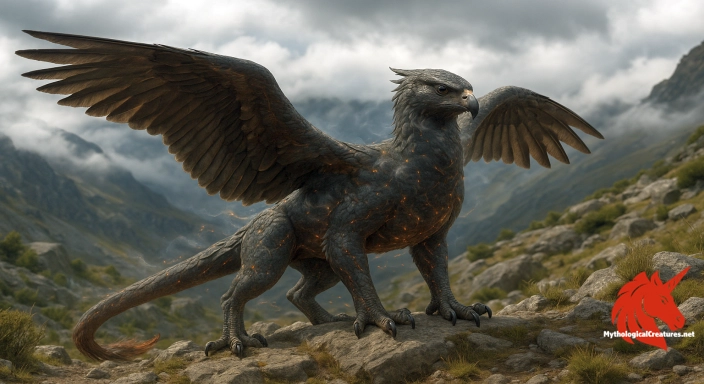
Sazakan
Sazakan - Sazakan is revered and feared for its power to control rain, hail, and storms, impacting agriculture and the natural order.
Origins & First Encounters
Sazakan is a striking figure in Turkic mythology, known for its diverse manifestations and potent control over the elements. It emerges from ancient oral traditions and pre-Islamic legends that have been passed down through generations in the steppes and mountains. The creature is depicted variously as a dragon, a noble hawk, a swift falcon, or even a fiery dwarf, each form highlighting its connection to the stormy skies. Its presence is deeply interwoven with the natural cycles of rain, hail, and drought, reflecting nature’s unpredictable balance. Sazakan is celebrated for both its ability to bless the land with nourishing rains and its capacity to unleash devastating storms that challenge human endeavours. The myth embodies the interplay of creation and destruction, a consistent theme within Turkic cultural narratives. Ancient accounts hint at a reverence for this spirit as much as a wariness of its capricious nature, marking it as simultaneously a guardian and a force of chaos. Its enduring legacy is a testament to the human need to explain and personify the wild, uncontrollable powers of the natural world. The multifaceted identity of Sazakan bridges the terrestrial with the celestial, inspiring both awe and caution. Over time, this enigmatic being has remained a symbol of the ever-changing dynamics between humankind and the environment.
Source Texts & Tale Variants
The myth of Sazakan has been preserved in a tapestry of ancient manuscripts, oral recitations, and shamanic narratives. Stories of the creature have been woven into the fabric of Turkic folklore by nomadic bards, capturing the imagination with vivid depictions of its elemental mastery. Early texts, though fragmentary, record accounts of Sazakan as a spirit capable of both benevolent and fearsome interventions in weather phenomena. Varying story variants paint it sometimes as a bringer of life-giving rains and at other times as a harbinger of destructive hail and drought. In some traditions, its identity is fluid, with stories describing dramatic transformations that mirror sudden changes in the weather. The Nogai tradition, in particular, offers unique insights by portraying Sazakan as a noisy, restless presence among the clouds. These diverse narratives have been sustained through both formal scribal records and informal storytellings at communal gatherings. Each retelling enriches the creature’s mythos by incorporating local observations and environmental challenges. Over centuries, modifications in the narrative have allowed Sazakan’s persona to evolve while retaining its core association with natural forces. The collective literary and oral heritage surrounding Sazakan thus presents a multifaceted portrait that continues to influence cultural perceptions of nature’s might.
Form & Powers
Sazakan is portrayed in a wide spectrum of physical forms that reflect the dynamic energy of the natural environment. In dragon form, it is depicted with a sinuous body covered in iridescent scales that shimmer like storm clouds in dim light. When appearing as a hawk or falcon, its eyes burn with a fierce intelligence, and expansive wings cut through the sky with the speed of a sudden gust. In its guise as a fiery dwarf, the creature's diminutive frame is overpowered by an aura of blazing intensity and crackling energy. It is not uncommon for Sazakan’s body to seem both solid and insubstantial, as if composed in part of swirling mists and flickering embers. Intricate markings, reminiscent of wind-swept patterns and rain droplets, often embellish its skin, symbolising the chaotic beauty of nature. The creature’s limbs and claws are rendered with an otherworldly strength, suggesting an ability to grasp and manipulate the elements at will. Vivid hues of red, blue, and gold frequently adorn its depictions, each colour echoing aspects of both calm and tempest. Traditional iconography frequently emphasises its penetrating gaze, seen as a window into the very heart of the storm. Through these varied depictions, Sazakan’s physical form remains a fluid and awe-inspiring representation of elemental power.
Regional Faces
Across the Turkic world, the image of Sazakan adapts to regional landscapes and cultural nuances, resulting in a rich array of local portrayals. In the expansive steppes of Central Asia, it is often revered as a benevolent spirit whose timely rains bring fertility to parched lands. Mountain communities, on the other hand, tend to view the creature with a mix of respect and apprehension, recognising its role as a potential precursor to fierce storms. Some local narratives even depict Sazakan as a versatile guardian whose mood swings reflect the vicissitudes of the natural environment. In Nogai folklore, the creature’s reputation as a noisy, cloud-dwelling spirit is particularly emphasised, marking a distinctive local interpretation. Rural traditions in regions of Turkey and Kazakhstan highlight its dual capacity to nurture and devastate, adapting the myth to the agricultural cycles and climatic challenges of the area. Folk songs, dances, and rituals in these communities often evoke the spirit’s presence during seasonal transitions. These regional variations not only enhance the myth but also resonate deeply with local experiences of weather and landscape. The multiplicity of forms seen in different areas underscores the flexibility of Sazakan’s character. Ultimately, the regional adaptations offer a compelling insight into how diverse cultures negotiate the balance between reverence for nature and the need to explain its fiercest displays.
Cultural Parallels
In the realm of world mythology, Sazakan stands alongside other legendary beings that govern the forces of nature and weather. Its shape-shifting ability is reminiscent of tales from varied cultures where divine figures morph into birds, dragons, or elemental spirits. Similar to the revered Chinese dragon, Sazakan is linked to the control of rain and storms, serving as a vital intermediary between the heavens and the earth. The creature's dual nature of favouring both prosperity and destruction finds parallels in the multifaceted deities of Greek and Norse myths. Like the thunderbirds celebrated in some Native American traditions, Sazakan embodies the raw power of the skies and the unpredictable forces of nature. Its role as both a harbinger and a benefactor bridges the dichotomy often seen in global mythological narratives. Comparative themes emerge in how various cultures depict weather-affiliated deities as arbiters of the natural order. The multidimensional persona of Sazakan, blending animalistic traits with supernatural influence, invites comparisons with similar figures whose origins are equally enigmatic. These cross-cultural connections highlight an enduring human impulse to personify and mythologise the elemental forces. In essence, Sazakan represents a universal motif where the boundaries between nature and the divine are explored and celebrated.
Legacy & Modern Evolution
The legacy of Sazakan has undergone significant transformation from its ancient origins to its place in modern cultural expressions. Early oral traditions and folklore solidified its status as both a formidable and benevolent force, a symbol deeply embedded in the cycle of seasonal changes. Over time, its image has been reinterpreted by artisans, writers, and scholars who seek to reconcile age-old myth with contemporary sensibilities. In modern reinterpretations, Sazakan is often depicted as a metaphor for environmental resilience and the delicate balance between sustenance and destruction. Artistic renditions in literature, visual media, and digital art continually renew its mythos, expanding its appeal beyond the confines of traditional lore. Contemporary festivals and cultural exhibitions in Turkic regions proudly feature Sazakan as an emblem of natural power and ancestral heritage. The evolution of its iconography reflects an ongoing dialogue between the past and present, where ancient symbolism is rejuvenated by modern creativity. Today, discussions around climate change and ecological responsibility evoke the storm-bringer as a reminder of nature’s formidable might. Modern interpretations often merge traditional depictions with innovative storytelling, ensuring that the myth remains dynamic and relevant. Thus, the enduring presence of Sazakan in cultural expression serves as a bridge between historical myth and the present-day understanding of the natural world.
Interesting Fact
One of the most fascinating aspects of Sazakan is its ability to adopt multiple forms, which symbolically represents the diverse and unpredictable nature of the weather—a concept deeply rooted in Turkic and Nogai cultural traditions.
Reach myth fans
Connect your myth-driven brand with this audience
Our readers are writers, educators, gamers, and collectors who care about mythology. Enquire about a limited sponsor placement on creature pages.
Enquire about sponsorshipQuick Creature Info
Origin:
Features:
Associations:
Our Mythic Legendary Rating:

Habitat:
Supernatural Powers:
Physical Attributes:
Abilities:
Behavior:
Lore:
References
Discover Another Mythical Legend You May Not Have Heard Of?
Uncover the mysteries of ancient folklore and expand your knowledge of legendary beings from cultures around the world.
Dare to Meet the Ly Erg....

Curated by the Mythological Creatures Team
Series editor: Mythological Creatures Directory
Primary desk: Asian & Pacific Myth Cycles Desk
(rev. November 2025)