
Stilbe: Stilbe is a multifaceted figure in Greek mythology, known for her glittering radiance and diverse mythological roles.
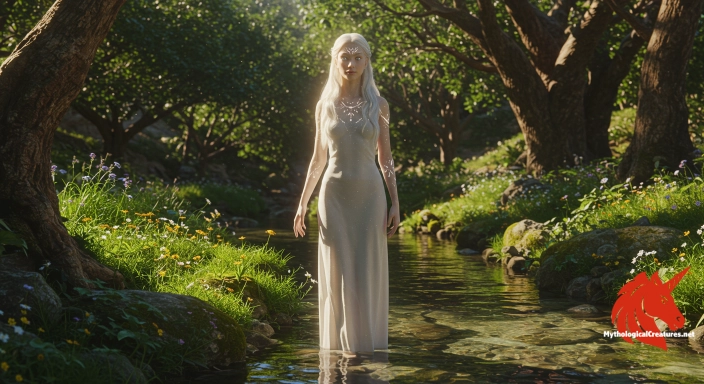
Stilbe
Stilbe - Stilbe's varied mythological roles underscore the complex genealogy and interconnection between divine and mortal realms in Greek lore.
the legend in five swipes.
the legend in five swipes.
How old is the legend of Stilbe?
Stilbe is an enigmatic figure whose name, meaning "glittering" or "gleaming", evokes an image of celestial radiance intertwined with earthly myth. In the labyrinth of Greek mythology, she appears under several guises—sometimes as a nurturing mortal woman and at other times as an ethereal nymph with divine connections. Her earliest attestations are embedded in the oral traditions and fragmented texts that celebrate the interplay of light and life. In one tradition, she is known as the mother of Callisto by Ceteus, while another venerates her as a daughter of the river god Peneus and the Naiad Creusa. This duality underscores the fluid nature of myth, where one name can symbolically embrace multiple narratives. She is also celebrated for her associations with gods like Apollo and Hermes, linking her legacy to the origins of centaurs, Lapiths, and other mythological figures. The layered nature of her legend mirrors the broader tendency in Greek lore to merge the divine with the mundane. Her myth encapsulates both nurturing creativity and the spark of transformation seen in figures who bridge mortal and supernatural realms. The enduring allure of Stilbe resides in her ability to reflect the luminous qualities of nature and the mystique of ancient myth.
Stilbe: How the Tale Was Told and Retold
Ancient literary fragments and scholia provide the primary evidence for the multiple traditions of Stilbe, even though details remain bespoke to specific regions and oral narratives. Various texts, likely attributed to early Greek mythographers, hint at her role as both a consort of deities and a progenitor of significant mythological lineages. In one variant, she emerges as a daughter of the river god Peneus and the Naiad Creusa, a detail preserved in scattered notes that invite further interpretative exploration. Other sources intimate her origins are linked to Eosphoros, thereby aligning her with the celestial motif of dawn and radiance. The diversity in her story is accentuated by the portrayal of her offspring, including her association with Apollo’s twin sons—Centaurus and Lapithus—who are credited with founding legendary races. Local epic cycles and later mythographical compendiums have preserved these variant traditions, each offering unique insights into her multifaceted identity. While some ancient texts consolidate her figure within a fixed genealogical framework, others allow for overlapping and sometimes conflicting narratives. The layering of her myth over time has produced a mosaic of interpretations that enthrall scholars and enthusiasts alike. These sources, though fragmentary, continue to stimulate a rich dialogue about the nature and evolution of myth.
How would you recognise Stilbe?
Visual depictions of Stilbe, though rare in ancient iconography, have inspired imaginations with the promise of ethereal beauty and radiant charm. She is often envisioned as possessing an otherworldly glow, with skin that seems to capture the soft luminescence of dawn and twilight. Her figure is rendered as delicate yet imbued with a resilience that hints at her divine lineage, an aesthetic that bridges ephemeral grace with timeless strength. In artistic renditions, her hair cascades in shimmering waves that echo the gentle sparkle of dewdrops on morning foliage. Often, her eyes are portrayed as luminous mirrors reflecting the mysteries of the cosmos, suggesting an insight that transcends mortal perception. The symbolism inherent in her name encourages interpretations of her form as both light and movement—a figure in constant flux, catching rays of brilliance with every gesture. Artists have depicted her in flowing robes that seem to merge with the elements, evoking images of a nymph come to life in a natural tableau. Across different periods, her physicality has embodied the blending of natural beauty with divine radiance, making her an enduring muse for those exploring mythic aesthetics.
The Geography of the Stilbe Legend
Regional variations in the myth of Stilbe reveal how local cultures adapted her story to resonate with specific environmental and social contexts. In areas close to sacred rivers and springs, such as Thessaly and Boeotia, her portrayal as a daughter of Peneus underscores the intimate connection between natural watercourses and divine origin. Local traditions often emphasised her role as a nurturer and a progenitor, further enriched by tales that linked her offspring to the founding of tribes like the Lapiths and centaurs. In other parts of the Greek world, her lineage is altered, being celebrated as a daughter of Eosphoros, thus aligning her more closely with the celestial phenomena of the morning star. These regional narratives sometimes introduce subtle differences in her personality and iconography, reflecting local aesthetics and cultural values. In rural idylls and small communities, oral traditions would recount her as an ever-glowing presence, a symbol of constant renewal and natural splendor. The fluidity of her story allowed storytellers to embed regional landmarks and rites into her myth, thereby making her an enduring emblem of local identity. Such variations not only enriched her own mythos but also highlighted the diversity inherent in the ancient Greek mythological landscape.
Stilbe: Related Figures Across Cultures
Stilbe’s myth bears striking parallels with a broader tapestry of luminous female figures found in various mythological traditions. Much like other nymphs and minor deities in Greek lore, she embodies the synthesis of natural beauty with divine mystique—a trait that recurs in figures such as Eos and Selene. Her role as a progenitor of hybrid or semi-divine beings also finds echoes in cross-cultural stories where radiant maternal figures give rise to legendary heroes and monsters. Comparable narratives in Roman myth, wherein nymphs similarly bridge the gap between nature and divinity, further illustrate the widespread appeal of such archetypal characters. Across different cultures, figures who seamlessly combine beauty, light, and the mysterious forces of nature often serve as metaphors for creation and transformation. This interconnection suggests that the concept of a gleaming progenitor was a resonant motif, transcending geographical and cultural boundaries. Stilbe, therefore, becomes part of a larger dialogue about the interplay between the human and the divine, underscoring a shared cultural fascination with luminous, transformative entities. These comparisons reveal how mythic narratives can converge on thematic preoccupations—such as fertility, radiance, and metamorphosis—across various civilizations.
Why does Stilbe still matter?
The evolution of Stilbe’s myth reflects a gradual shift from a primarily genealogical figure to an enduring symbol of natural light and ethereal beauty in modern contexts. In antiquity, her radiant qualities were celebrated in poetic fragments, where her luminous presence served both as a literal and metaphorical emblem of the divine in nature. As the centuries passed, artistic traditions absorbed her motif, with Renaissance and later Neoclassical works reinterpreting her glowing essence. In modern literature and visual arts, Stilbe is often invoked as a muse for themes of transformation and the ephemeral quality of beauty, highlighting the continual influence of ancient myth on contemporary creative expression. Her image now frequently appears in subtle, impressionistic forms, capturing an abstract sense of wonder and mysticism. The modern legacy of Stilbe is fortified by her symbolic association with nurturing light and the intricate interplay between nature and myth. Contemporary artists and writers have reimagined her as a bridge between the past and the present, a figure whose story sparks renewed interest in classical mythological identities. Academic and popular scholars alike continue to explore the layers of her narrative, underscoring the adaptability of her myth. This lasting cultural resonance ensures that Stilbe remains a vivid, if enigmatic, beacon in the collective imagination of myth and art.
Interesting Fact
An intriguing aspect of Stilbe's myth is the convergence of various genealogical traditions under one name, highlighting how ancient myths often merge multiple local narratives into a single, multifaceted figure.
Mythological Treasures
Greek Myths: A field guide to the monsters of ancient Greece
Every monster here earned its place in legend, and each gets a full page of artwork and the story behind it.
Egyptian Legends: A field guide to the gods and monsters of ancient Egypt
Guardians of the living and devourers of the dead, with the role each played in judgement.
Chinese Beasts: A field guide to the dragons and demon kings of Chinese myth
From river dragons to demon kings, with the legends that shaped five thousand years of storytelling.
the legend in five swipes.
Support the directory
Promote your myth project and fund more research
Sponsor placements help keep this directory growing and free to use while giving your work a focused, relevant audience.
Learn how sponsorship worksQuick Creature Info
Origin:
Associations:
Our Mythic Legendary Rating:

Also Sometimes Known As:
Habitat:
Supernatural Powers:
Physical Attributes:
Abilities:
Behavior:
Lore:
References
Discover Another Mythical Legend You May Not Have Heard Of?
Uncover the mysteries of ancient folklore and expand your knowledge of legendary beings from cultures around the world.
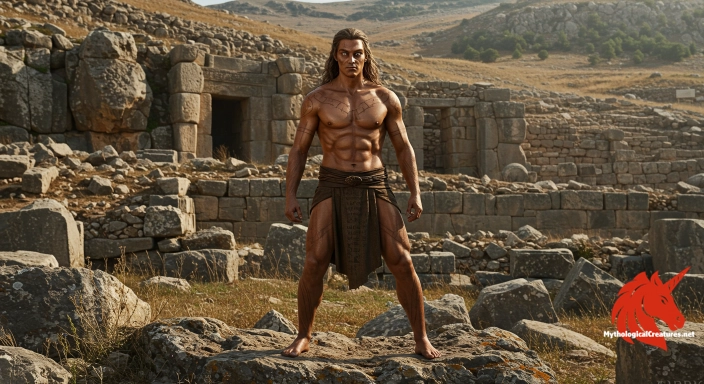
Dare to Meet the Pirwa....
The Mythological Creatures Book Series
Yōkai, Greek, Norse, Egyptian & Chinese. Five illustrated field guides to the creatures the old stories either warned or told you about.



Curated by the Mythological Creatures Team
Series editor: Mythological Creatures Directory
Primary desk: Hellenic & Ancient Mediterranean Desk
(rev. November 2025)