
Susanoo-no-Mikoto: Susanoo-no-Mikoto is a multifaceted Shinto deity renowned for his mastery over storms and the sea.
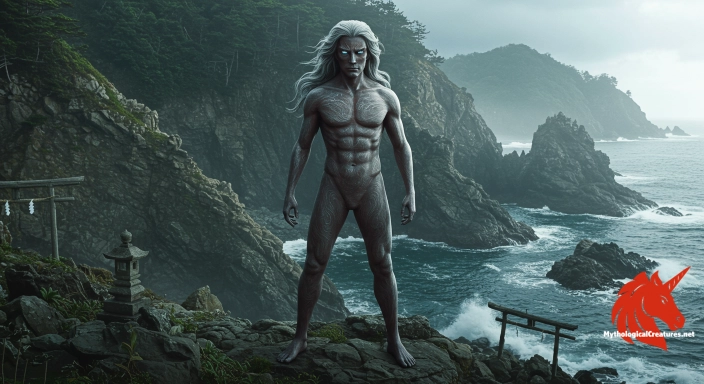
Susanoo-no-Mikoto
Susanoo-no-Mikoto - A central figure in the imperial mythological cycle, his dual nature of creation and destruction has shaped Japanese cultural and religious traditions.
Origins & First Encounters
Susanoo-no-Mikoto emerges as one of the most dynamic and enigmatic figures in Japanese mythology, embodying both stormy chaos and transformative benevolence.
His origins are steeped in ancient Shinto tradition, where he is celebrated as the tempestuous younger brother of Amaterasu, the radiant sun goddess.
The earliest records of his deeds are found in revered texts such as the Kojiki and Nihon Shoki, which intricately weave his exploits into the fabric of Japan’s mythic history.
An emblem of contradiction, he personifies the force of untamed nature alongside the potential for heroic intervention.
Throughout his lore, he is depicted as a divine spirit who both disrupts and nurtures, influencing not only celestial orders but also the rhythms of everyday life.
His narrative is rich with episodes that range from violent outbursts to moments of creative fertility, reflecting the dual nature of both storm and harvest.
Across centuries, his myth has sustained cultural significance, continuously adapting to and absorbing local ritualistic practices and societal values.
This layered persona not only underscores the complexities of natural phenomena but also mirrors the human struggle between order and instinct, making him an enduring icon in Japan’s cultural heritage.
Source Texts & Tale Variants
The foundational accounts of Susanoo-no-Mikoto are preserved in classical chronicles like the Kojiki and Nihon Shoki, texts that have long informed the traditional narrative of Japanese deities.
These ancient manuscripts offer elaborate portrayals of his exploits, including his infamous confrontations and acts of valour, thereby providing a rich source of mythic detail.
In addition to these literary sources, local gazetteer reports known as Fudoki shed light on regional traditions and lesser-known legends associated with his persona.
A number of folklore variations offer alternative versions of his character, with some emphasising his destructive, tempestuous side while others highlight a nurturing aspect linked to agriculture and communal prosperity.
The syncretic influences of Buddhist thought further complicated his image, merging his identity with that of deities associated with pestilence and healing.
Oral traditions handed down through generations have added nuances to his narrative, ensuring that his portrayal diverges subtly from region to region.
Some isolated texts even hint at cultural exchanges with neighbouring lands, including the Korean Peninsula, adding a further element of mystery to his origins.
This myriad of sources and variants not only enriches his mythos but also underscores the fluidity and adaptability of his legend over time.
Form & Powers
Artistic depictions of Susanoo-no-Mikoto often capture an arresting blend of wild vigour and solemn authority, reflecting his tempestuous nature.
Visual representations frequently show him with long, unkempt hair that seems to ripple like storm-driven waves, symbolising his close association with the sea and typhoons.
His eyes are portrayed as penetrating and intense, suggesting both the fury of natural storms and the clarity of divine insight.
Traditional imagery sometimes envelopes him in flowing robes or battle armour, which evoke the transient energy of wind and rain while hinting at his martial prowess.
He is occasionally shown brandishing symbolic weapons, such as swords that evoke both the cutting edge of a storm and the precision of a heroic act.
The aesthetics of his iconography may vary, with some interpretations leaning towards a lean and agile figure while others depict him as robust and imposing.
Every artistic detail, from the ornate headgear to the dynamic poses, works to encapsulate the dual themes of chaos and order inherent in his myth.
This composite imagery leaves an indelible impression of a deity who is as unpredictable as the forces of nature and as deliberate as the cycles of life itself.
Regional Faces
Regional narratives of Susanoo-no-Mikoto demonstrate that his character is as versatile as it is widely revered, adapting to the cultural and geographical contexts of various locales.
In the Izumo region, for instance, he is often portrayed as a powerful guardian deity whose tumultuous actions are intimately linked to the land’s storied past.
Local shrines and folk practices in western Japan celebrate him not only for his storm-bringing prowess but also as a benefactor of agriculture and community well-being.
Different areas have embraced distinct aspects of his persona—some focusing on his role as a heroic vanquisher of monstrous entities, while others highlight his more domestic, even protective, attributes.
His association with natural phenomena such as sea and storm further reinforces his presence in coastal communities, where the interplay of nature and human endeavour is most pronounced.
In rural settings, elaborate festivals and rituals honour his memory and seek his favour, particularly in times of unpredictable weather and harvest uncertainty.
This regional variation underscores the adaptability of his myth, allowing him to evolve in response to local cultural values and environmental challenges.
Ultimately, his diverse regional portrayals reflect the broader Shinto tradition of imbuing deities with multifaceted roles that resonate with community identities and natural landscapes.
Cultural Parallels
When placed alongside deities from other mythological traditions, Susanoo-no-Mikoto’s multifarious persona reveals intriguing parallels and contrasts that highlight universal themes in human storytelling.
Much like the Greek god Poseidon, whose dominion over the deep and tempestuous sea mirrors Susanoo’s own association with water and storms, both figures embody the uncontrollable forces of nature.
Similarly, the Norse god Thor, revered for his mighty battles against chaos and monsters, shares a kinship with Susanoo’s heroic acts and struggles against formidable serpentine foes.
The dual nature of both creation and destruction seen in Susanoo also finds echoes in Hindu deities, where forces of transformation are celebrated in their ability to dismantle and renew.
The interplay of admiration and caution that characterises his myth can be likened to other cultural figures who command both reverence and wariness, such as the Egyptian god Set.
These comparative insights underline a shared human fascination with the elemental forces of nature and the deities that personify them, regardless of geographic or cultural boundaries.
Indeed, the recurring motif of a storm deity combating chaos and restoring order is a narrative thread that spans continents and epochs.
Such cross-cultural connections emphasise how mythologies, while unique in detail, often converge on similar archetypal struggles and triumphs that speak to the collective human experience.
Legacy & Modern Evolution
Over the centuries, the myth of Susanoo-no-Mikoto has undergone significant transformation, reflecting shifts in religious thought, artistic expression, and social values.
His image evolved from a fierce deity of storms and chaos to one that is also revered as a guardian and symbol of renewal in local shrines and festivals.
This evolution is mirrored in the fusion of Shinto and Buddhist elements, where his character absorbed attributes related to both healing and pestilence.
Modern reinterpretations frequently feature him in various media, from traditional theatre such as Noh and Kabuki to contemporary anime, manga, and literature, underscoring his enduring appeal.
The symbolic richness of his myth continues to inspire creative works that explore themes of conflict, redemption, and the natural world’s unpredictable beauty.
In academic and popular discourse alike, Susanoo-no-Mikoto is celebrated for his complexity, representing both the chaos of untamed nature and the possibility of order emerging from disorder.
Festivals dedicated to him remain vital cultural events in many parts of Japan, serving as reminders of the ancient traditions that continue to shape local identities.
Thus, his legacy persists not only as an iconic mythic archetype but also as a living tradition that continues to evolve and resonate with contemporary audiences.
Interesting Fact
An interesting observation is that Susanoo's erratic behaviour, ranging from violent storms to benevolent harvest blessings, encapsulates the unpredictable duality of nature itself.
For publishers and studios
Your next readers are already here
Many of our visitors are looking for books, campaigns, and resources that deepen their journey into myth. Position your title or setting here.
Discuss a placementQuick Creature Info
Associations:
Our Mythic Legendary Rating:

Also Sometimes Known As:
Habitat:
Supernatural Powers:
Physical Attributes:
Abilities:
Behavior:
Lore:
Related Creatures, Tales or Lore
- RRaijin
- FFūjin
- NNjord
References
Discover Another Mythical Legend You May Not Have Heard Of?
Uncover the mysteries of ancient folklore and expand your knowledge of legendary beings from cultures around the world.
Dare to Meet the Mara....
-8e69bafd-5254-471a-b649-660f2188fd05_small.webp "Depiction of Mara")
Curated by the Mythological Creatures Team
Series editor: Mythological Creatures Directory
Primary desk: Asian & Pacific Myth Cycles Desk
(rev. November 2025)