
Suttungr: Suttungr is a formidable jötunn from Norse mythology.
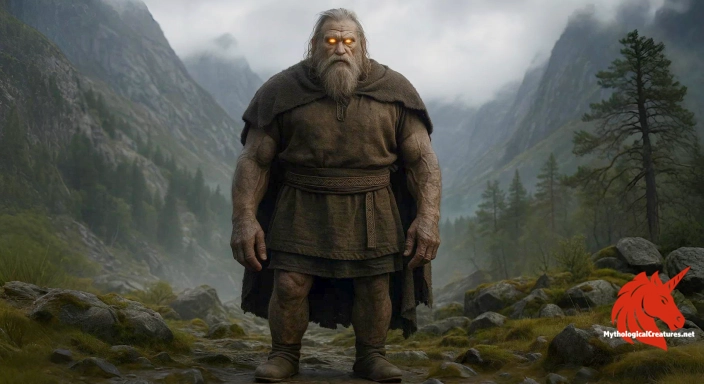
Suttungr
Suttungr - Suttungr’s myth highlights the conflict between the giants and the gods and underscores the cultural value of poetic inspiration.
the legend in five swipes.
the legend in five swipes.
The Earliest Known Accounts of Suttungr
Suttungr emerges as a formidable jötunn within the intricate tapestry of Norse mythology, whose legacy is both enigmatic and enduring. Born to the mysterious Gilling, he is often portrayed as a guardian of powerful and sacred treasures. His earliest attestations are sparse, yet the sparse references that survive hint at a figure of considerable complexity. In mythic traditions, his association with the mead of poetry places him at the heart of divine drama, where the acquisition of inspiration and wisdom is fraught with peril. The narratives weave his identity into a broader cosmological struggle, pitting the forces of untamed nature against the strategic cunning of the gods. Suttungr’s tale is interlaced with themes of ambition, loss, and the transformative power of forbidden knowledge. His presence in these myths reflects the Norse worldview, which often celebrated the interplay between raw natural energy and the ordered realm of the divine. The character of Suttungr thus stands as a symbol of both the dangers and the allure surrounding the possession of eternal, creative power. His story continues to invite reflection on the eternal conflicts between order and chaos in myth and legend.
What do the old texts say about Suttungr?
The fragmentary nature of Norse myth means that Suttungr’s story has been preserved through a variety of ancient texts and oral traditions. References to his character appear in texts such as the Prose Edda, where his role as the keeper of a treasured commodity is implicitly acknowledged. Although direct mentions in the poetic verses are limited, later medieval accounts weave his identity into the grand narrative of the mead of poetry. Different versions of the myth highlight variations in details, with some accounts focusing on his reluctant custodianship and others emphasising the cunning required to overcome him. In oral traditions, his character has occasionally been expanded to reflect the local cultural priorities, blending both fear and respect into his portrayal. These stories, passed down through generations, have allowed modern interpreters to reconstruct elements of his complex persona. While the authoritative texts provide only a skeletal framework, the layered retellings from regional folklore embellish his character with nuances that resonate beyond the original manuscript traditions. Thus, despite the limited contemporary attestations, the composite portrait of Suttungr emerges as both multifaceted and compelling in its mythic significance.
What powers did Suttungr have?
Suttungr is frequently envisioned as a towering giant whose very form exudes an aura of ancient, primeval power. His appearance is marked by a rugged visage, where deep-set eyes and a weather-beaten complexion speak of endless exposure to the harsh elements of the Norse wilderness. The giant’s long, unkempt hair and imposing beard conjure images of the wild, untamed forces that define his nature. Muscular yet formidable, his build is often depicted with exaggerated proportions that border on the mythic, embodying both strength and a latent, almost mystical agility. His eyes, in particular, are described as reflective pools of ancient wisdom, hinting at secrets accumulated over countless ages. Artistic renditions sometimes capture an almost regal severity in his expression, balancing brutality with an unexpected nobility. Although there are variations in how his stature is portrayed—from an almost monstrous presence to a more measured embodiment of ancient power—the prevailing imagery underscores his position as a guardian born of primordial chaos. In every depiction, Suttungr’s physical attributes serve to remind the viewer of the imposing inevitability of nature’s might, set against the fragile constructs of civilisation.
Where was Suttungr best known?
The myth of Suttungr, though centrally rooted in the Norse tradition, has been reshaped by local interpretations across various Scandinavian regions. In parts of Iceland and Norway, oral traditions have imbued his character with additional elements of tragedy and moral complexity, often highlighting the burdens of his guardianship over sacred treasures. Scandinavian ballads frequently portray him in more ferocious, almost bestial terms, accentuating his role as an untamed force of nature. In certain regions, the giant is expanded into a cosmic figure whose temperament reflects the seasonal cycles and ferocity of local landscapes. Regional storytellers have sometimes presented him as a reluctant custodian rather than a mere antagonist, thus softening his image into one of tragic inevitability. These local variations reflect broader cultural values, where the tension between retaining the old ways and embracing new order is a recurring theme. In some adaptations, Suttungr’s interactions with the gods underscore community values of cunning over brute strength, mirroring regional attitudes towards authority. Such diversity in portrayal enriches his myth, demonstrating how local adaptation can transform even well-known figures into multifaceted symbols that resonate with regional identities.
Suttungr: Echoes in Other Mythologies
The figure of Suttungr invites intriguing comparisons with similar mythical guardians found in other cultural traditions. His role as the keeper of a sacred and forbidden treasure parallels that of the mythic custodians in Greco-Roman tales, such as the guardians of the golden apples in the gardens of the Hesperides. In many ways, his narrative resonates with the archetype of the protective giant or demigod who stands sentinel over a source of divine power. Similar to the serpentine guardian in other mythologies, Suttungr's possession of the mead of poetry symbolises the fine line between creative inspiration and perilous knowledge. This motif of a boundary keeper who both defends and inadvertently endangers its priceless treasure recurs across diverse mythic landscapes. His myth also finds echoes in Celtic traditions, where nature spirits and formidable figures guard the gateways to otherworldly wisdom. Such comparative analysis highlights shared human preoccupations with the origins, control, and transmission of sacred power. By examining Suttungr alongside these parallel figures, one gains insight into the universal themes of stewardship, defiance, and the complex interplay between mortal ambition and divine providence.
How has Suttungr changed over time?
Over time, the portrayal of Suttungr has evolved from a peripheral, if potent, figure in Norse myth to a symbol resonant with modern ideas of creative struggle and the complexities of power. Earlier medieval sources present him largely as a guardian of a magical legacy, a role that later interpretations have expanded into a more nuanced commentary on the perils of hoarding forbidden knowledge. As the myths were transcribed and reinterpreted through centuries of cultural change, Suttungr came to represent not only the raw force of nature but also the intricate dynamics between order, chaos, and artistic inspiration. Contemporary literature and popular media have revived his image, often reimagining him as a tragic figure whose immense strength is shadowed by his inevitable downfall. In modern artistic renditions, Suttungr is sometimes depicted with a reflective, almost melancholic quality that speaks to the costs of both defiance and duty. His narrative has been reinterpreted to explore themes of isolation, sacrifice, and the contested nature of creative genius. Scholars and enthusiasts alike now view him as an enduring emblem of the tension between preservation and transformation in cultural heritage. This modern legacy ensures that Suttungr’s myth remains a fertile ground for explorations of power, knowledge, and the eternal human quest for understanding.
Interesting Fact
Suttungr’s guardianship of the mead of poetry not only exemplifies the Norse reverence for artistic inspiration but also highlights the complex interplay between power, legacy and myth.
Mythological Treasures
Norse Sagas: A field guide to the beasts of the Viking world
Drawn from the saga accounts themselves, with the powers, weaknesses and doom of each being set out.
Chinese Beasts: A field guide to the dragons and demon kings of Chinese myth
From river dragons to demon kings, with the legends that shaped five thousand years of storytelling.
Japanese Yōkai: A field guide to the spirits and demons of Japanese folklore
Fifteen spirits, with the signs to watch for and what the old tales say to do if you meet one.
the legend in five swipes.
Limited sponsor opportunity
One slot, carefully chosen partners
We only feature a small number of relevant sponsors at any time. If you create serious myth content, we would like to hear from you.
Partner with usQuick Creature Info
Origin:
Features:
Associations:
Our Mythic Legendary Rating:

Habitat:
Supernatural Powers:
Physical Attributes:
Abilities:
Behavior:
Lore:
References
Discover Another Mythical Legend You May Not Have Heard Of?
Uncover the mysteries of ancient folklore and expand your knowledge of legendary beings from cultures around the world.
Dare to Meet the Tyros....

The Mythological Creatures Book Series
Yōkai, Greek, Norse, Egyptian & Chinese. Five illustrated field guides to the creatures the old stories either warned or told you about.
Curated by the Mythological Creatures Team
Series editor: Mythological Creatures Directory
Primary desk: Northern & European Folklore Desk
(rev. November 2025)