
Tašmišu: Tašmišu is a Hurrian deity known for his warlike character.
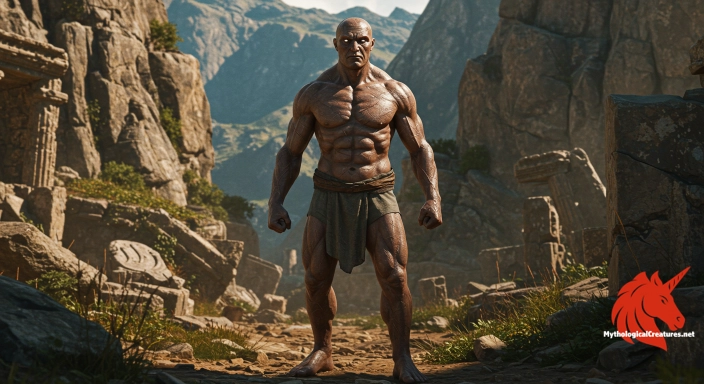
Tašmišu
Tašmišu - Tašmišu is recognised for his martial attributes and his role as a sibling of the storm god Teshub, contributing to the dynamics of divine conflict and order.
Origins & First Encounters
Tašmišu emerges from the storied pantheon of the Hurrians as a formidable divine presence, whose martial demeanour set him apart from his siblings. His origins are entrenched in the ancient cultures of the Near East, and his earliest mentions suggest a character of considerable strength and vigour. Seen as the brother of Teshub, the renowned storm god, Tašmišu embodies the raw, untamed energies of battle and conflict. His role in the divine hierarchy symbolised both loyalty to his kin and an independent drive towards martial dominance. Ancient inscriptions and ritual texts indicate that his veneration was particularly strong among warrior communities and those who sought divine favour in the theatre of war. Over time, his narrative became interwoven with themes of cosmic struggle and the eternal contest between order and chaos. His depiction as a warlike deity reflected the societal emphasis on strength and resilience in tumultuous eras. The legacy of Tašmišu encapsulates the intertwining of familial bonds and the inexorable force of combat, making him a significant figure in Hurrian mythology.
Source Texts & Tale Variants
The primary sources for Tašmišu are scattered across a range of ancient texts and ritual inscriptions, which provide fragmented yet intriguing glimpses into his character. Cuneiform tablets and Hittite ritual documents mention his name in contexts that highlight the martial aspects of his divine persona. Various mythological narratives, though fragmentary, recount episodes where his intervention was crucial in shifting the tides of battle and cosmic disputes. Some inscriptions suggest that his cult was integrated with those of other war deities, forming a composite picture of ancient martial divinity. Additionally, fragments of Hurrian myths preserved on clay tablets offer variant stories that explore his relationship with Teshub and other members of the divine pantheon. Despite the incomplete records, there is a consensus among scholars that Tašmišu played a critical role in the religious and cultural expressions of warfare. Alternative versions of his myth reflect regional adaptations, which have enriched our understanding of his attributes and deeds. These diverse textual sources collectively contribute to the tapestry of his legendary reputation, even as many details remain shrouded in antiquity.
Form & Powers
Artistic depictions of Tašmišu, though not as abundant as those of other deities, illustrate a figure of commanding presence and robust form. In some representations, he appears adorned with military regalia such as intricately designed headgears and armours, symbolic of his identity as a god of war. His physique is often inferred to be well-muscled and imposing, a visual metaphor for the strength required in battle. Some reliefs and seal impressions capture him in dynamic poses that suggest agility and an unwavering readiness for combat. The visual motifs surrounding his depiction include elements that evoke both human and superhuman qualities, emphasising attributes of both mortal heroism and divine authority. His eyes, frequently rendered with a steely intensity, seem to reflect the unyielding determination of a warrior set on victory. The stylistic nuances in these depictions indicate that artists sought to convey not only his physical might but also the inner force of divine battle-readiness. Though varying in detail across different artworks, these representations collectively echo a timeless image of martial vigour and heavenly power.
Regional Faces
Across the expanse of the ancient Near East, Tašmišu’s persona underwent notable regional reinterpretations, reflecting the diverse cultural landscapes of overriding Hurrian influence. In his native Hurrian context, he was primarily celebrated as an embodiment of martial might, with myths accentuating his role as a fierce combatant. In adjacent regions such as Anatolia, his iconography was adapted to align with local military traditions and state cults, blending indigenous motifs with his established warrior image. Hittite texts occasionally incorporate his worship into broader state rituals, indicating that his martial attributes were valued beyond strictly Hurrian boundaries. In regions where the Hurrian culture intermingled with Mesopotamian practices, faint echoes of his character resonate with similar war deities, thus shaping a syncretic divine identity. Local festivals and rites in different communities sometimes highlighted his capacity to protect and empower, further diversifying his mythos. The distinct artistic and literary traditions of these areas contributed unique embellishments to his story, ensuring that the essence of his warlike nature adapted seamlessly to varied cultural contexts. Consequently, the regional evolution of Tašmišu reflects a dynamic interplay between local customs and the enduring legacy of his original Hurrian identity.
Cultural Parallels
The martial spirit embodied by Tašmišu finds intriguing parallels in other ancient mythologies, where the archetype of the war deity plays a central role. His familial association with Teshub mirrors similar divine pairings in other cultures, where siblings often represent different facets of nature and conflict. In Mesopotamian traditions, for example, figures like Nergal resonate with a comparable ferocity and association with battle. The cross-cultural similarities extend even to Indo-European mythologies, where deities associated with warfare are often depicted as both protective and destructive forces. The juxtaposition of violent and protective qualities in Tašmišu’s character invites comparisons with later Greco-Roman gods whose narratives intertwine battle prowess with elements of divine justice. By examining these parallels, one can discern a recurring pattern where deities are tasked with not only waging war but also upholding cosmic order. Such comparative studies underscore the universal human fascination with the ideals of martial strength and heroic defiance. This shared motif across cultures highlights the enduring influence of the warrior archetype, with Tašmišu standing as a distinct yet relatable figure among the pantheon of world war gods.
Legacy & Modern Evolution
The historical evolution of Tašmišu’s myth reflects broader changes in cultural and political landscapes from the ancient Near East to modern reinterpretations. Initially revered as a potent martial deity within the Hurrian pantheon, his character was gradually absorbed into the religious expressions of neighbouring societies as the dynamics of power shifted. In subsequent centuries, his attributes were reimagined by later cultures, often serving as a symbol of the divine right of kings and the sanctity of war. His story, though fragmented in its original sources, influenced the legendary narratives of later mythologies that echoed themes of bravery, strife, and cosmic balance. In contemporary times, Tašmišu’s legacy has resurfaced in scholarly debates and artistic reinterpretations that seek to capture the essence of ancient warfare and divine intervention. Modern cultural productions occasionally tap into the mythic resonance of his character, recontextualising his martial spirit for new audiences. His enduring presence in both academic discourse and artistic renderings serves to remind us of the timeless nature of myth and the universal symbol of battle. As modern perspectives continue to reinterpret ancient narratives, Tašmišu remains a compelling emblem of the interplay between divine power and human endeavour in the face of conflict.
Interesting Fact
Tašmišu’s close association with Teshub and his distinctly warlike disposition highlight the complex interplay of sibling deities in ancient Hurrian mythology.
For indie creators
Give your myth project a permanent home
Indie authors, artists, small studios, and makers can secure an annual, non-intrusive sponsor slot that meets readers where they explore.
Obtain more informationQuick Creature Info
Origin:
Our Mythic Legendary Rating:

Also Sometimes Known As:
Supernatural Powers:
Abilities:
Behavior:
Lore:
References
Discover Another Mythical Legend You May Not Have Heard Of?
Uncover the mysteries of ancient folklore and expand your knowledge of legendary beings from cultures around the world.
Dare to Meet the Corus....
-3d007131-9973-466a-ac89-5c8016e4b322_small.webp "Depiction of Corus")
Curated by the Mythological Creatures Team
Series editor: Mythological Creatures Directory
Primary desk: Hellenic & Ancient Mediterranean Desk
(rev. November 2025)