
Terrible Monster: Terrible Monster is a chimerical creature from Jerusalem lore, formed from the blood of murder victims.
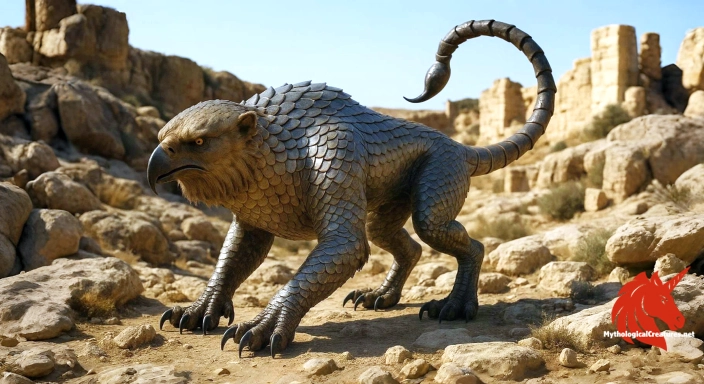
Terrible Monster
Terrible Monster - Embodies a cautionary tale about the consequences of murder and serves as a terrifying omen in local lore.
the legend in five swipes.
the legend in five swipes.
Terrible Monster Origins: The Earliest Accounts
The Terrible Monster emerged into the cultural consciousness of early 18th century Jerusalem as a formidable symbol of dread and dark retribution. It is recounted as a creature born from the very blood of murder victims, its existence interwoven with the tragic events of its time. Local lore recounts its fateful attack on the city, marking a notorious chapter in the region’s history. Its legend was shaped by the turbulent sociopolitical climate where moral transgressions and human cruelty left an indelible mark. The beast has been portrayed as an otherworldly harbinger of despair, reflecting the anxieties and superstitions of its era. Many tales imbued it with an almost spiritual significance, serving as a grim reminder of the consequences of wrongdoing. The narrative of its creation hints at a mysterious blend of blood magic and divine judgement. Over the centuries, the monster has come to symbolise the blurred boundary between the human and the supernatural, with its origins remaining as enigmatic as the dark force it represents.
Terrible Monster: The Written Sources
Primary accounts of the Terrible Monster are woven into the fabric of local Jerusalem folklore and oral tradition. Its first recorded mention appears in early local chronicles that document inexplicable events and supernatural occurrences. The scant textual evidence is complemented by a rich tapestry of narrative variants that have been passed down through generations. Some versions of the story propose that the creature was not merely a physical manifestation but a portent of divine wrath. Other accounts suggest that its emergence was linked to a curse stemming from communal sins, thereby enriching its mythic dimensions. Written records, though few and fragmentary, are interspersed with the personal testimonies of locals who claimed to have witnessed its terror. The creature’s fatal vulnerability—a spear through the throat—is a detail consistently found across different renditions of the tale. Additional manuscripts and regional narratives have provided alternative interpretations that blend historical events with allegory, revealing the creature’s multifaceted role in cultural memory.
Terrible Monster: What the Legends Describe
The Terrible Monster is depicted as a colossal being, nearly 50 feet long, whose very form instils awe and horror in equal measure. It possesses the regal and fearsome head of a lion, exuding both strength and predatory warning. Complementing its leonine visage, the creature features the beak and talons of an eagle, which confer an air of swift and brutal lethality. One of its most distinctive traits is the scorpion-like tail, a deadly appendage used to inject potent venom into its victims. The entire body is enveloped in what appears to be chain mail crafted from mother of pearl, a detail that adds an element of ethereal armour to its appearance. This armour-like covering shimmers with an unusual lustre, creating an interplay of light and darkness when observed in the twilight. The creature’s anatomy merges features of disparate animals into a disturbing hybrid, symbolising a union of terrestrial and aerial predators. Its overall structure has been described as both majestic and macabre, a physical manifestation of chaos set against the backdrop of human civilisation.
How did location shape the story of the Terrible Monster?
Across various regions, adaptations of the Terrible Monster’s lore paint a varied portrait that reflects local cultural sensibilities and historical contexts. In Jerusalem and its surrounding areas, the creature is often considered an omen of divine punishment and a living reminder of past transgressions. Other localities have reinterpreted the monster as a metaphor for political unrest and the inevitable retribution that follows moral decay. Variations in narrative sometimes emphasise different aspects—for instance, some communities focus on its lethal venom while others highlight the mystical quality of its mother of pearl armour. In neighbouring regions, similar chimerical beings appear in myth, and these accounts have been synchronised with the story of the Terrible Monster through the blending of oral traditions. The creature’s attributes may be adapted to fit local iconography, with details such as size, colouring, or even additional supernatural traits being modified to suit regional tastes. Despite these differences, the core narrative of a monstrous entity born of violence and blood remains consistent. Such regional adaptations illustrate how a singular myth can evolve to address diverse societal fears and cultural narratives.
Terrible Monster: Cross-Cultural Comparisons
The myth of the Terrible Monster resonates with a number of other legendary creatures across different cultures, serving as a fascinating point of comparison. Its composite nature—melding the head of a lion, the talons of an eagle, and the tail of a scorpion—bears similarities to the classic manticore and even the Greek Chimera. Much like these other mythological horrors, it encapsulates a blend of animalistic traits that symbolise both power and vulnerability. The recurring motif of a single fatal weakness, notably the spear thrust through its throat, is shared with other formidable beasts in various tragic legends. Such parallels underscore a common symbolic language in mythology where the monstrous hybrid serves as an embodiment of chaos and retribution. The hybrid anatomy of the Terrible Monster continues a long tradition of using multi-faceted creatures as allegories for the complexities of human sin and punishment. In cross-cultural narratives, these monstrous figures often represent the intersection of divine punishment and human hubris. Comparing the Terrible Monster with its counterparts reveals an enduring mythological pattern: multifarious forms that both terrorise and warn, reflecting the universal struggle between order and the forces of chaos.
Terrible Monster: The Legend's Second Life
Over time, the depiction of the Terrible Monster has evolved from a stark figure of local terror into a broader symbol in both art and literature. Initially recorded in the oral traditions and scant manuscripts of early 18th century Jerusalem, its image was that of a grim, tangible threat. With the passage of time, the creature has been reimagined in various cultural works, from gothic novels to dramatic illustrations that emphasise its otherworldly nature. Modern portrayals frequently explore the psychological dimensions of the monster, casting it as a metaphor for the darker aspects of human history and social injustice. Contemporary artists and writers have expanded on its composite form, often imbuing it with layers of allegorical meaning that resonate with modern themes of corruption and redemption. The evolution of its depiction mirrors shifting societal fears, with the monster now sometimes featured in media that interrogate the nature of power and the consequences of societal violence. Its mythology has been adapted into graphic novels, films, and even museum exhibitions, marking its transition from local lore to a symbol of enduring human myth. Thus, the Terrible Monster continues to captivate the imagination, representing both a cautionary tale from a turbulent past and an enduring archetype in modern storytelling.
Interesting Fact
An intriguing aspect of Terrible Monster is its composition from the blood of murder victims, which imbues it with a uniquely cursed existence and a vulnerability solely centered on its exposed throat.
Mythological Treasures
Norse Sagas: A field guide to the beasts of the Viking world
Drawn from the saga accounts themselves, with the powers, weaknesses and doom of each being set out.
Egyptian Legends: A field guide to the gods and monsters of ancient Egypt
Guardians of the living and devourers of the dead, with the role each played in judgement.
Chinese Beasts: A field guide to the dragons and demon kings of Chinese myth
From river dragons to demon kings, with the legends that shaped five thousand years of storytelling.
the legend in five swipes.
Partner with us
Sponsor this space
Reach thousands of mythology enthusiasts with a curated placement on our creature pages.
Learn about sponsorshipQuick Creature Info
Our Mythic Legendary Rating:

Habitat:
Supernatural Powers:
Physical Attributes:
Abilities:
Behavior:
Weaknesses:
Lore:
Related Creatures, Tales or Lore
References
Discover Another Mythical Legend You May Not Have Heard Of?
Uncover the mysteries of ancient folklore and expand your knowledge of legendary beings from cultures around the world.
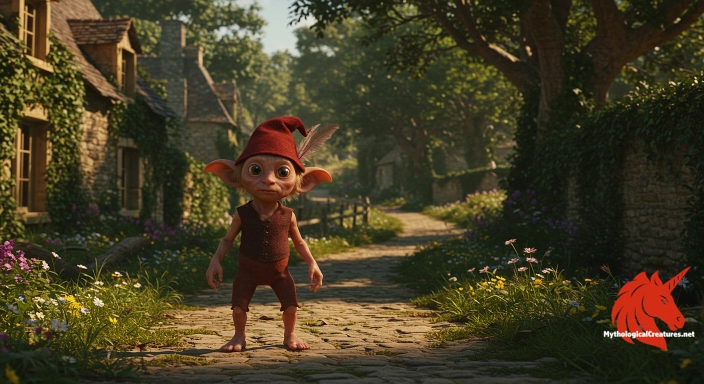
Dare to Meet the Lutin....
The Mythological Creatures Book Series
Yōkai, Greek, Norse, Egyptian & Chinese. Five illustrated field guides to the creatures the old stories either warned or told you about.

Curated by the Mythological Creatures Team
Series editor: Mythological Creatures Directory
Primary desk: Hellenic & Ancient Mediterranean Desk
(rev. November 2025)