
Tlaltecuhtli: Tlaltecuhtli is a pre-Columbian Aztec earth deity known as the 'earth monster,' whose dismembered body formed the basis of the world in Aztec cosmology.
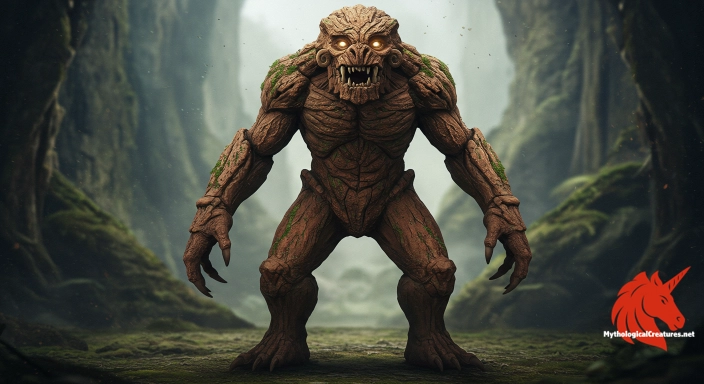
Tlaltecuhtli
Tlaltecuhtli - Central in the Mexica creation myth, Tlaltecuhtli represents both the origin of life and the necessity of sacrifice to maintain cosmic order.
Origins & First Encounters
Tlaltecuhtli is a pivotal figure in pre-Columbian Mesoamerican mythology, revered primarily by the Mexica people as the embodiment of the earth. Her origins stretch back to ancient creation myths where she is depicted as the formidable 'earth monster' whose dismembered form became the foundation of the cosmos. The narrative of her dismemberment and subsequent transformation into the world captures the dual forces of creation and destruction inherent in nature. Her presence was central to the spiritual and ritual life of the Mexica, influencing both agricultural practices and cosmic order. Early depictions in carved reliefs and post-conquest manuscripts highlight the revered status she held in shaping the destiny of the fifth cosmos. In the rich tapestry of Mexica belief, her body not only gave rise to land but also symbolised the eternal cycle of life and decay. With elements of both nurturing and devouring, her myth underscores the fine balance between order and chaos. The mythological accounts present her as a primordial force, embodying the living essence of the earth that sustains all life. The enduring impact of Tlaltecuhtli on Mexica cosmology continues to offer insights into the ancient understanding of nature and the cycles of existence.
Source Texts & Tale Variants
Ancient manuscripts and colonial codices serve as the primary repositories of Tlaltecuhtli’s intricate narrative. Texts such as the Florentine Codex provide detailed accounts of her role as the earth deity, preserving traditions that were once part of everyday ritual practice. The Codex Bodley, too, offers a visual and textual record that captures her cosmic significance in the intricate web of creation. A notable variant appears in the Histoyre du méchique, where subtle differences in her myth reveal the adaptability of Mexica storytelling. Some narratives introduce her consort, Tlalcihuatl, thereby enriching the complexity of the creation myth and highlighting the interplay between celestial and terrestrial forces. In various accounts, key figures like Tezcatlipoca and Quetzalcoatl are involved in the making of the earth, each contributing to the layered tapestry of her legend. These textual sources not only document ritual practices but also echo the rich symbolism embedded in the Mexica worldview. The diverse story variants underscore the fluidity of myth as it evolved across generations, capturing regional interpretations and ceremonial nuances. The combination of these manuscripts offers a multifaceted perspective on how Tlaltecuhtli was both revered and feared, ensuring her legacy in the annals of Mesoamerican lore.
Form & Powers
Visual representations of Tlaltecuhtli are striking and filled with symbolic detail. Artistic portrayals often reveal a dismembered form, its fragmented anatomy conveying the raw process of cosmic creation. She is commonly depicted with splayed arms and legs, a posture that simultaneously embraces and challenges the viewer. The artwork imbues her with a mystique that blends human characteristics with elements of the monstrous, highlighting her connection to the living earth. Intricate carvings sometimes suggest that her skin is inscribed with glyphs and symbols, each marking the cycles of nature and the passage of time. The imagery frequently includes a gaping maw or fissures, which some interpret as portals to the underworld or channels of life force. Variations in scale, from overwhelming gigantism to more modest depictions, speak to her omnipresent influence in the natural world. Artists have captured both her nurturing qualities and her aspect as a devourer, balancing themes of fertility and destruction. The detailed physical portrayal of Tlaltecuhtli invites viewers to contemplate the profound interplay between creation and disintegration within the cosmos.
Regional Faces
The depiction of Tlaltecuhtli exhibits subtle regional adaptations that underscore the diversity of Mesoamerican cosmologies. In the heartland where the Mexica held sway, she is portrayed as a colossal, awe-inspiring presence, her imagery resonating with both fear and adoration. In neighbouring regions, the deity’s narrative has been interwoven with local spiritual traditions, sometimes emphasising her role as a fertility figure in addition to her destructive aspects. Local artisans incorporated distinctive indigenous motifs and colour schemes into her portrayal, reflecting the unique environmental and cultural identity of the area. Some communities have integrated seasonal rites into their commemoration of her, aligning her myth with agricultural cycles and natural phenomena. These regional expressions reveal both continuity in her core symbolism and flexibility in accommodating local spiritual priorities. Variations in ritual practice and artistic interpretation illustrate how community-specific experiences of nature shaped her iconography. The merging of Tlaltecuhtli’s myth with other regional earth deities further emphasises the fluid boundaries of mythological identity. Ultimately, the regional transformations of her image serve as a testament to the diverse ways in which ancient societies revered and interacted with the elemental forces of the earth.
Cultural Parallels
The myth of Tlaltecuhtli invites comparisons with a range of earth deities across world traditions, highlighting universal themes of creation and destruction. Similar to Gaia in Greek mythology, her narrative presents the earth as a living entity whose sacrifices birth life. This motif of dismemberment leading to creation recurs in numerous cultural myths, suggesting a common human desire to understand the origins of existence through symbolic fragmentation. Unlike some earth deities who are exclusively benevolent, Tlaltecuhtli embodies a dual nature that includes both nurturing and malevolent traits. This blend of forces reflects a broader understanding of the natural world as a site of ongoing transformation and balance. Studies of her myth reveal overlapping elements with other traditions, where the earth demands tribute through ritual sacrifice to sustain life. The integration of human sacrifice into her narrative parallels practices in other ancient cultures that sought to appease potent natural forces. Cross-cultural analysis enriches our perception of how ancient societies responded to the unpredictable energies of nature. By comparing her to earth goddesses and gods from a variety of mythologies, one can appreciate the shared symbolism of dismemberment, renewal, and the cyclical nature of life present in many ancient narratives.
Legacy & Modern Evolution
The evolution of Tlaltecuhtli’s myth reflects a continual dialogue between ancient tradition and modern reinterpretation. Over the centuries, colonial encounters and subsequent scholarship have reshaped the way her image is understood and appreciated. Early post-conquest texts laid the foundation for a legacy that has since been revisited by historians, archaeologists, and cultural artists. Modern interpretations frequently explore her depiction as a symbol of environmental duality, merging the roles of creator and destroyer in new and innovative ways. Contemporary art and literature have reimagined her dismembered form as a powerful metaphor for the fragility and resilience of nature. The shift from a ritualised object of worship to a subject of academic and artistic inquiry highlights the enduring impact of her myth. As the discourse surrounding environmental crises evolves, Tlaltecuhtli is increasingly viewed as emblematic of the sacrifices required by nature in times of both plenty and scarcity. Her imagery, once confined to the realm of ancient codices, now informs debates on sustainability and ecological balance. The enduring legacy of Tlaltecuhtli ensures that her myth continues to inspire reflective consideration on the eternal interplay between human civilisation and the natural world.
Interesting Fact
Tlaltecuhtli's body not only provides the material for the world but also embodies the Aztec belief in the necessity of sacrifice for the continuity of life.
For serious mythcraft
Your project belongs among the legends
If your work deepens how people understand, play with, or teach mythology, a sponsor placement here keeps it in front of the right readers all year.
Submit a sponsorship enquiryQuick Creature Info
Origin:
Associations:
Our Mythic Legendary Rating:

Also Sometimes Known As:
Habitat:
Supernatural Powers:
Physical Attributes:
Abilities:
Behavior:
Weaknesses:
Lore:
Related Creatures, Tales or Lore
- GGaia
- PPachamama
- PPrithvi
References
Discover Another Mythical Legend You May Not Have Heard Of?
Uncover the mysteries of ancient folklore and expand your knowledge of legendary beings from cultures around the world.
Dare to Meet the Kamikiri....
-dec2224b-a303-4eda-9ae5-adef8532ab20_small.webp "Depiction of Kamikiri")
Curated by the Mythological Creatures Team
Series editor: Mythological Creatures Directory
Primary desk: Americas & Indigenous Traditions Desk
(rev. November 2025)