
Tuatha Dé Danann: The Tuatha Dé Danann are a legendary supernatural race from Irish mythology, renowned as the folk of the goddess Danu.
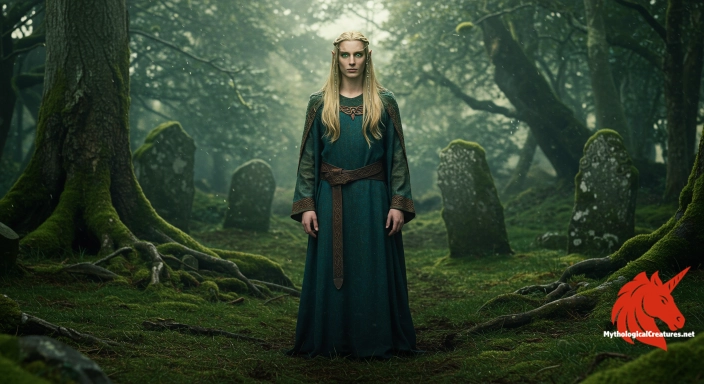
Tuatha Dé Danann
Tuatha Dé Danann - They are central figures in Irish mythology, representing pre-Christian deities who later evolved into fairy folk.
the legend in five swipes.
the legend in five swipes.
Tuatha Dé Danann: Where the Legend Started
The Tuatha Dé Danann emerge as one of the most captivating pantheons in Irish mythology, embodying the mystique of an age when the divine intermingled freely with the mortal world. Their origins trace back to pre-Christian traditions, where they were revered as the descendants of the goddess Danu and symbolised the life force of nature. Early mythic accounts present them as a collective of deities who influenced every aspect of human endeavour, from the arts to warfare. Their narratives are steeped in the cultural fabric of ancient Gaelic society, reflecting values of honour, beauty, and supernatural wisdom. As custodians of magic and mystery, they are portrayed both as noble sovereigns and as enigmatic figures dwelling in the liminal spaces between worlds. The legends surrounding these divine beings often note their profound connection with the sídhe—mystical sites that served as portals to other realms. Their heroic exploits, such as those seen in the celebrated Battle of Mag Tuired, underscore their dual capacity for both creation and destruction. Ultimately, the Tuatha Dé Danann continue to inspire in modern retellings, symbolising an era when myth and reality were beautifully intertwined.
What sources tell us about the Tuatha Dé Danann?
Ancient manuscripts and medieval texts form the foundation of our knowledge about the Tuatha Dé Danann, with many accounts emerging from a period when oral tradition was transitioning into written record. These documents reveal a complex narrative that blends myth, legend, and nascent historical recording, portraying the Tuatha Dé Danann as both gods and heroes. Diverse sources offer variant stories of their arrival on the Irish landscape, often contrasting sharply with later interpretations shaped by Christian doctrine. Some texts suggest that these entities were once the ruling pantheon, whose divine indulgence slowly morphed into the more familiar fairies of later folklore. Variations in the narrative abound, with different scribes highlighting distinct attributes such as warrior prowess, enchanting beauty, or transformative wisdom. The evolution of these stories is evident when comparing older recountings with those penned during the medieval period, where the divine status of these beings was sometimes diminished to fit new moral narratives. Their multifaceted portrayals continue to spark debate among scholars and enthusiasts alike, lending the myths an eternally dynamic quality. In all, these primary sources provide a layered insight into how ancient peoples understood and revered the forces of nature and the divine.
What did people say the Tuatha Dé Danann looked like?
The physical depictions of the Tuatha Dé Danann evoke an image of radiant beings whose very appearance seems to merge earthly beauty with otherworldly grace. Artists and storytellers often render them with luminous complexions and eyes that shimmer with an inner light, reflecting their profound connection to both the natural and supernatural realms. They are commonly portrayed in regal attire, with flowing robes or ornate armour that symbolise their divine authority and unmatched prowess in battle. Intricate details in their adornments frequently incorporate natural motifs, suggesting a seamless bond with the elements of earth, water, and sky. Some myths describe them as having statuesque forms and elegant physiques, qualities that set them apart from ordinary mortals. Variations in size and presentation hint at a fluidity in their identity, wherein some deities appear towering and imposing, while others possess a more delicate and ethereal presence. Their physical forms are not static but are often imbued with a dynamic sheen, as if reflecting the ever-changing forces of the natural world. Such vivid portrayals have enabled the Tuatha Dé Danann to leave a lasting imprint on the visual imagination of successive generations.
How do the Tuatha Dé Danann differ by region?
The interpretations of the Tuatha Dé Danann vary considerably across different regions, each local tradition infusing them with unique characteristics and narratives. In distinct parts of Ireland, they are intertwined with notable landscape features such as ancient tumuli and stone circles, which act as physical markers of their mystical presence. Local folklore has adapted their stories to align with regional customs, often elevating certain figures within the pantheon to heroic status unique to that locality. In some areas, their association with the sídhe is emphasised, reinforcing the notion of natural landmarks as doorways between the mundane and the mystical. Regional adaptations also see them merging with or emerging as the legendary fairy folk, reflecting a gradual transformation of their roles from deities to ethereal beings in popular lore. These transformations have allowed communities to retain a sense of ancient identity through rites and festivals that honour these mythical narrators. The richness of such regional variations showcases the flexible nature of myth, capable of evolving to meet the spiritual and cultural needs of different peoples. Consequently, the Tuatha Dé Danann are as much a testament to localized tradition as they are to a shared, pan-Celtic heritage.
Are the Tuatha Dé Danann unique, or found elsewhere?
The Tuatha Dé Danann stand in intriguing parallel to divine figures in other mythological traditions, echoing themes found in the pantheons of the ancient Greeks, Norse, and even other Celtic cultures. Their roles as multifaceted deities—embodying wisdom, military might, and the arts—mirror the complexities seen in other universally admired gods. Just as the Olympians were seen as both patrons and challengers of humanity, the Tuatha Dé Danann exhibit a delicate balance between nurturing power and formidable strength. Similar to Norse deities, their narratives often include epic battles and profound interplays with fate and destiny, reflecting the eternal conflict between order and chaos. Cross-cultural comparisons further reveal that many ancient societies opt to personify the forces of nature and the unknown through richly layered mythic figures. The broader Celtic mythos, with gods such as Lugus and Brigantia, shares deep commonalities with the characteristics attributed to the Tuatha Dé Danann. In comparative mythology, these figures serve as archetypes that bridge sacred myth and the human experience, resonating with audiences well beyond their original contexts. This universality underscores a shared human desire to understand the mysteries of life through powerful narrative figures that transcend time and place.
Tuatha Dé Danann: The Modern Legacy
The historical trajectory of the Tuatha Dé Danann underscores their transition from formidable deities in ancient lore to enduring symbols in modern cultural imagination. Over the centuries, as societal beliefs shifted and Christianity spread, the once-dominant pantheon was reinterpreted into a more ambiguous cadre of faerie-like beings. This gradual metamorphosis is evident in how the divine powers of the Tuatha Dé Danann have been variously portrayed as both benevolent guides and capricious entities in folklore. Medieval chroniclers attempted to reconcile these figures with emerging doctrinal narratives, reassigning them roles that both preserved their mystique and aligned them with new moral frameworks. In contemporary popular culture, their legacy has been revitalised, appearing in novels, films, and art where their supernatural qualities continue to evoke wonder and curiosity. Modern reinterpretations often focus on their connection with nature and the magic of the ancient world, celebrating their role as custodians of an elusive, enchanted past. This evolution from revered gods to folkloric legends highlights the enduring adaptability of myth in the face of historical and cultural change. Ultimately, the Tuatha Dé Danann remain a potent emblem of an era when myth and reality coalesced, inspiring countless reinterpretations that keep their legends ever vibrant.
Interesting Fact
A fascinating aspect of the Tuatha Dé Danann is their seamless evolution from revered deities to the enchanting fairy folk, demonstrating the fluidity of myth and belief over time.
Mythological Treasures
Greek Myths: A field guide to the monsters of ancient Greece
Every monster here earned its place in legend, and each gets a full page of artwork and the story behind it.
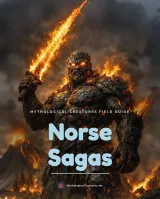
Norse Sagas: A field guide to the beasts of the Viking world
Drawn from the saga accounts themselves, with the powers, weaknesses and doom of each being set out.
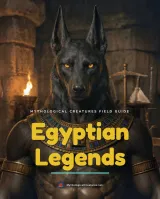
Egyptian Legends: A field guide to the gods and monsters of ancient Egypt
Guardians of the living and devourers of the dead, with the role each played in judgement.
the legend in five swipes.
For indie creators
Give your myth project a permanent home
Indie authors, artists, small studios, and makers can secure an annual, non-intrusive sponsor slot that meets readers where they explore.
Obtain more informationQuick Creature Info
Associations:
Our Mythic Legendary Rating:

Also Sometimes Known As:
Habitat:
Supernatural Powers:
Physical Attributes:
Abilities:
Behavior:
Lore:
Related Creatures, Tales or Lore
- AAos Sí
- FFomorians
- FFir Bolg
References
Discover Another Mythical Legend You May Not Have Heard Of?
Uncover the mysteries of ancient folklore and expand your knowledge of legendary beings from cultures around the world.
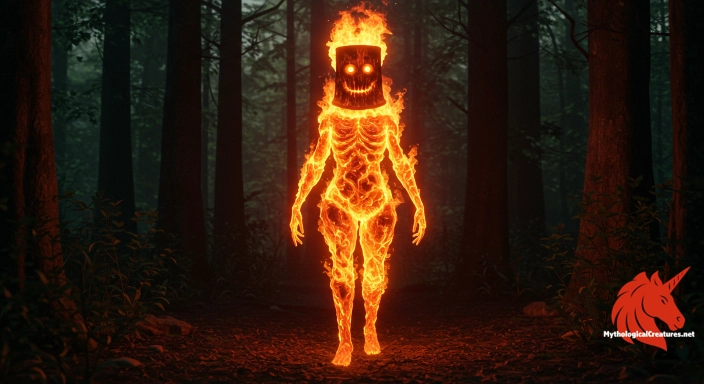
Dare to Meet the Tsurubebi....
The Mythological Creatures Book Series
Yokai, Greek, Norse, Egyptian & Chinese. Five illustrated field guides to the creatures the old stories either warned or told you about.
Curated by the Mythological Creatures Team
Series editor: Mythological Creatures Directory
Primary desk: Northern & European Folklore Desk
(rev. November 2025)