
Umi zatō: Umi zatō is a Japanese yōkai featured in classic Edo period artworks.
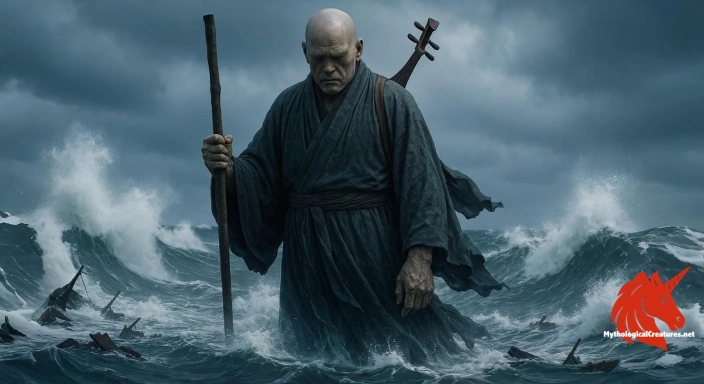
Umi zatō
Umi zatō - Embodies the enigmatic and potentially perilous aspects of the sea, reflecting maritime superstitions.
Origins & First Encounters
Umi zatō is a striking figure in the pantheon of Japanese yōkai, evoking the mysterious coalescence of nature and the supernatural. Its origins are steeped in the rich tapestry of Edo period folklore, where myth and art intermingled to reflect society’s complex relationship with the natural world. Emerging first in the celebrated Gazu Hyakki Yagyō by Toriyama Sekien, this creature has intrigued audiences ever since. The creature’s maritime link resonates with coastal traditions, imbuing it with a dual identity of allure and forewarning. Its depiction captures the elegance and unpredictability of the sea, symbolising both generous protection and hidden peril. Over time, Umi zatō came to represent the balance of beauty and mystery that defines Japanese mythological beings. The continued presence of this yōkai in various emakimono, including the Matsui Library’s Hyakki Yagyō Emaki, underscores its lasting cultural significance. Celebrated in both art and storytelling, Umi zatō remains a powerful testament to the enduring allure of the supernatural in Japanese heritage.
Source Texts & Tale Variants
Umi zatō was first chronicled in the seminal Gazu Hyakki Yagyō, a compendium that consolidated myriad yōkai from folklore into a singular narrative landscape. This work by Toriyama Sekien served as a visual catalogue that blended artistic imagination with established folk traditions. Beyond its initial illustration, the creature appears in several renowned emakimono, particularly the Matsui Library’s Hyakki Yagyō Emaki, offering a valuable window into the evolution of maritime spirits.
Subsequent storytellers and folklorists have continued to reference Umi zatō, enriching its mythos with diverse narrative embellishments. Some variants cast it as a benign guardian of coastal waters, while alternate versions imbue it with a more ominous, supernatural influence. The multifaceted story variants reveal how regional oral traditions and artistic reinterpretations have transformed the creature’s role over time. In certain accounts, fishermen recount eerie encounters that hint at its intervention during tempests or moments of maritime distress. Such layered interpretations demonstrate the living nature of yōkai lore, where every retelling adds depth to Umi zatō’s enigmatic existence.
Form & Powers
Visual portrayals of Umi zatō blend human and aquatic elements into a singular, uncanny form. Its visage is marked by a head that merges the refined contours of a human profile with enigmatic motifs reminiscent of swirling ocean currents. The creature is often depicted with flowing, undulating hair that evokes the movement of seaweed in a gentle tide. Luminous aquatic tones and subtle mottled textures give it an appearance that shifts mysteriously under different lights. In many illustrations, its eyes possess a surreal glow, reminiscent of the reflective shimmer found on moonlit waters. Its body is occasionally adorned with scale-like markings, hinting at an amphibious heritage, while variations in its size suggest either a diminutive trickster or an imposing maritime guardian. Traditional depictions evoke a sense of transient beauty, as if the creature is both a part of and apart from the natural world. The ambiguity of its physical traits challenges onlookers to unravel the symbolic depth hidden within every brushstroke.
Regional Faces
In coastal areas of Japan, Umi zatō is embraced not only as a supernatural entity but also as a cultural emblem that mirrors local maritime customs. Certain communities revere the creature as a protective spirit that gently guides fishermen away from treacherous waters, while urban interpretations may cast it in a more foreboding light. In the northern reaches of Japan, where the sea’s temperament is both formidable and mysterious, depictions of Umi zatō tend to mirror the rugged and unpredictable nature of the ocean. Variations in artistic style are evident from the rustic charm of rural narratives to the refined nuances found in metropolitan art. Although its core attributes remain consistent, local folklore imprints subtle regional nuances upon its character and role. These diverse portrayals highlight a dynamic dialogue between nature and community that pervades Japan’s coastal traditions. Several local legends recount distinct encounters that further enrich the myth, endowing the creature with a plurality of meanings. Such diversity underscores how environmental factors and regional practices help shape the evolution of supernatural beings like Umi zatō.
Cultural Parallels
In the broader landscape of global myth, Umi zatō finds parallels among a variety of maritime spirits and supernatural entities. Despite its unique Japanese narrative and visual style, echoes of its ambiguous nature can be discerned in figures such as European mermaids and other enigmatic water sprites. Its capacity to embody both benevolence and latent menace resonates with universal themes surrounding humanity’s interaction with the sea. The interplay between its human-like features and aquatic elements invites comparisons with deities and nature spirits from diverse cultures, including some of the water deities of ancient Greece. Much like its Western counterparts, Umi zatō serves as both a warning and a celebration of the ocean’s unpredictable power. These cultural parallels offer insight into how different societies have historically reconciled reverence and fear toward the natural world. In literary and artistic representations, the creature contributes to a cross-cultural dialogue where myth and nature intersect. Consequently, the study of Umi zatō enriches our understanding of how mythological archetypes adapt and persist across varied cultural landscapes.
Legacy & Modern Evolution
Over the centuries, the portrayal of Umi zatō has undergone significant transformation, mirroring broader shifts in Japanese cultural and artistic sensibilities. Early depictions in emakimono and classic art emphasised its stark, haunting imagery and underscored its connection to the mysterious forces of the sea. As artistic trends evolved, modern reinterpretations began to blend traditional aesthetics with contemporary creativity, yielding fresh perspectives on this enigmatic being. This evolution was further stimulated by a renewed popular interest in yōkai, with the creature frequently appearing in manga, anime, and digital art. Its enduring allure lies in its ability to encapsulate the mystique of the ocean while symbolising the unpredictable nature of folklore. Modern portrayals often merge cautionary themes with celebratory representations of nature, reflecting a dual awareness of beauty and peril. The image of Umi zatō has been reimagined to serve both as a cultural icon and as a reminder of Japan’s rich mythological heritage. As traditional narratives blend with modern storytelling, the creature continues to inspire fresh dialogue about the interplay between myth, art, and the natural world. This continuous reinvention secures Umi zatō’s place in both historical scholarship and contemporary cultural expression.
Interesting Fact
An intriguing aspect of Umi zatō is its embodiment of both natural and supernatural elements, symbolising the beauty and peril of the sea in Edo period Japan.
For authors, artists, and makers
Created something from the realm of myth?
If your book, deck, game, or artwork draws from legendary creatures and lore, you can showcase it here in a tasteful, year-round placement.
Share your projectQuick Creature Info
Features:
Associations:
Our Mythic Legendary Rating:

Habitat:
Supernatural Powers:
Physical Attributes:
Abilities:
Behavior:
Lore:
Related Creatures, Tales or Lore
References
Discover Another Mythical Legend You May Not Have Heard Of?
Uncover the mysteries of ancient folklore and expand your knowledge of legendary beings from cultures around the world.
Dare to Meet the Haakapainiži....
Curated by the Mythological Creatures Team
Series editor: Mythological Creatures Directory
Primary desk: Asian & Pacific Myth Cycles Desk
(rev. November 2025)