
Vietnamese dragon: The Vietnamese dragon is a legendary serpentine creature from Vietnamese folklore, revered as a bringer of rain and a symbol of imperial power and prosperity.

Vietnamese dragon
Vietnamese dragon - Embodies the essential link between nature and national prosperity, and represents the divine right of rulers as well as the life-giving force of rain.
the legend in five swipes.
the legend in five swipes.
The Origin Story of the Vietnamese dragon
The Vietnamese dragon stands as a majestic emblem of national identity and ancient myth, bridging the divine with the mundane in a culture rich in symbolism. Its origins are steeped in a legendary narrative that proclaims the Vietnamese people descend from the union of a celestial immortal and a powerful dragon. This mythic beginning lends the creature an almost sacred role in the collective consciousness of the nation. Over time, it has come to represent not only the life-giving rains essential for agriculture but also the prosperity and legitimacy of imperial rule. The creature embodies the universal force of yang, infusing the cosmos with vitality, growth, and balance. Ancient artworks and temple carvings attest to its long-held significance, illustrating its evolution alongside societal values. The enduring reverence for this creature reflects a deep intertwining of nature, spirituality, and governance. In various rituals and literary traditions, the dragon continues to serve as a guardian of hope and resilience. Through centuries of cultural transformation, the Vietnamese dragon has remained a potent symbol of both natural and regal power.
How many versions of the Vietnamese dragon story are there?
Early records of the Vietnamese dragon appear in a diverse range of ancient texts, temple murals, and oral traditions that have been passed down through generations. Traditional chronicles and folk ballads blend factual history with mythic embellishments, creating a tapestry of narratives that underscore the dragon’s significance in daily life. Local manuscripts often recount multiple versions of the creature’s origins, each interlacing supernatural elements with historical events. Some stories focus on its role as a beneficent rain-bringer, essential for the agrarian society that dominated early Vietnamese civilization. In other variants, the dragon is portrayed as a divine protector whose power safeguards both the ruler and the common people. This multiplicity of accounts is reflected in artistic depictions that range from subtle temple motifs to expansive epic literature. The synthesis of animistic and philosophical ideas in these stories has enriched the mythos, making it adaptable to changing cultural contexts. Community festivals and narrative recitals further perpetuate these variants, keeping the folklore vibrant and resonant. Thus, the primary sources offer both a window into historical practices and a canvas for ongoing reinterpretation.
Vietnamese dragon: Size, Shape and Strange Features
The physical representation of the Vietnamese dragon is marked by a sinuous, elongated form that exudes both grace and formidable power. Its body is typically covered in intricate scales that shimmer in varying hues of green, blue, and occasional red accents, reflecting the interplay of nature’s colours. The dragon’s head is often adorned with elegantly curved horns and a distinctive, benevolent expression that combines wisdom with latent strength. Long, flowing whiskers and an ornate beard add to its regal aura, symbolising longevity and a deep connection to ancestral forces. Its slender, yet imposing physique is complemented by clawed feet that seem designed to grasp both the heavens and the earth. In artistic interpretations, the creature’s eyes are portrayed as pools of ancient knowledge, capable of observing the ever-changing world below. Variations in size and detail reflect regional artistic sensibilities, with some depictions highlighting a compact, agile form while others emphasise a sprawling, cosmic presence. The elaborate tail, often depicted in a series of dynamic, curling motions, underscores the dragon’s fluidity and connection to water. Overall, each physical attribute is a deliberate element in a broader tapestry of symbolism, merging beauty with spiritual authority.
How does the Vietnamese dragon legend change from place to place?
The depiction of the Vietnamese dragon varies considerably across different regions, each celebrating its own unique artistic style and cultural priorities. In northern Vietnam, portrayals tend to adopt a more minimalist and rugged form, echoing the austere landscapes and ancient historical narratives of the area. By contrast, in the southern regions, the dragon is often rendered in a richly ornate manner with vivid colours that capture the vibrancy of the tropical environment. Local festivals frequently incorporate regional variants of the dragon, with processions and decorative motifs that are tailored to the specific traditions of each community. In some provinces, the dragon is intricately linked with water deities and agricultural rites, emphasising its role as a harbinger of life-sustaining rain. Distinct local symbols, such as lotus patterns or depictions of bamboo, are sometimes woven into the dragon’s image, reflecting a fusion of natural and cultural heritage. This regional diversity is a testament to the adaptability of the myth, which absorbs and transforms based on local experiences and geographical influences. Artistic expressions in wood carvings, lacquer paintings, and festival banners all highlight these nuances, ensuring that no single portrayal can capture the full spectrum of its symbolism. Ultimately, these variations celebrate the dragon’s ability to resonate on multiple levels, appealing to both communal identity and regional pride.
What figures resemble the Vietnamese dragon?
The Vietnamese dragon shares numerous attributes with its East Asian counterparts while also showcasing distinctive features that set it apart. Unlike the more uniformly aggressive depictions found in some Western traditions, the Vietnamese dragon is consistently portrayed as a benevolent and nurturing force. Its close relationship to natural phenomena, particularly the life-giving rain, aligns it with Chinese dragons, yet it is imbued with a unique emphasis on agricultural fertility and communal prosperity. In contrasting mythological narratives, Vietnamese lore situates the dragon as a divine mediator between humanity and the cosmos, a role less emphasised in other regional traditions. Parallels can be seen with dragons of Korea and Japan that similarly balance martial prowess with a sense of mysticism, though the Vietnamese variant often leans more towards symbols of unity and endurance. Comparative analysis reveals a fascinating interplay between the dragon’s universal attributes and localised interpretations that are shaped by specific historical and environmental contexts. This cross-cultural dialogue enriches our understanding of how myth transforms with societal needs. In artistic traditions, motifs such as swirling clouds and water imagery serve as a common thread, linking disparate cultures through shared symbolism. Such reflections underscore the dragon’s status as a transnational archetype, celebrated for its embodiment of cosmic harmony and human aspiration.
Vietnamese dragon in Modern Culture
Throughout history, the portrayal of the Vietnamese dragon has evolved in tandem with wider socio-political and artistic currents. Ancient inscriptions and temple reliefs were once the primary media through which its image was immortalised, imbuing it with an aura of mysticism and imperial authority. In modern times, this venerable symbol has been reinterpreted in diverse forms, ranging from contemporary public art installations to sophisticated digital media representations. Its presence in public ceremonies and national emblems underscores the dragon’s continuing link to the themes of prosperity, resilience, and environmental stewardship. The dragon continues to serve as a rallying emblem in festivals and cultural events, where its imagery is celebrated in dance, music, and theatrical performances. Modern reinterpretations also explore its metaphorical potency in addressing issues such as ecological balance and social cohesion. As Vietnam navigates the complexities of modernity, the dragon remains a potent reminder of collective memory, bridging ancient myth with contemporary identity. This enduring legacy is evident in educational curricula, popular literature, and tourism, where the dragon is revered as both a mythological figure and a cultural ambassador. In adapting to new narratives while retaining its rich symbolic core, the Vietnamese dragon continues to inspire a dialogue between tradition and modernity.
Interesting Fact
An interesting observation is that despite its fierce and powerful appearance, the Vietnamese dragon is predominantly regarded as a benevolent guardian, whose rain-bringing abilities nurture the land and ensure the prosperity of the people.
Mythological Treasures
Greek Myths: A field guide to the monsters of ancient Greece
Every monster here earned its place in legend, and each gets a full page of artwork and the story behind it.
Norse Sagas: A field guide to the beasts of the Viking world
Drawn from the saga accounts themselves, with the powers, weaknesses and doom of each being set out.
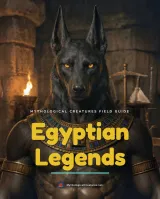
Egyptian Legends: A field guide to the gods and monsters of ancient Egypt
Guardians of the living and devourers of the dead, with the role each played in judgement.
the legend in five swipes.
Advertising opportunity
Showcase your mythology project
We offer limited sponsor placements for books, courses, games, and creators aligned with our audience.
View partnership optionsQuick Creature Info
Origin:
Features:
Associations:
Our Mythic Legendary Rating:

Also Sometimes Known As:
Habitat:
Supernatural Powers:
Physical Attributes:
Abilities:
Behavior:
Lore:
Related Creatures, Tales or Lore
References
Discover Another Mythical Legend You May Not Have Heard Of?
Uncover the mysteries of ancient folklore and expand your knowledge of legendary beings from cultures around the world.
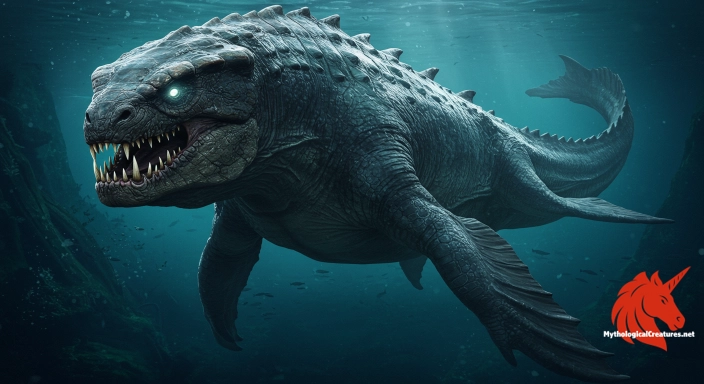
Dare to Meet the Monster of Lake Tota....
The Mythological Creatures Book Series
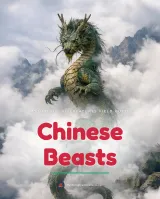
Yōkai, Greek, Norse, Egyptian & Chinese. Five illustrated field guides to the creatures the old stories either warned or told you about.
Curated by the Mythological Creatures Team
Series editor: Mythological Creatures Directory
Primary desk: Asian & Pacific Myth Cycles Desk
(rev. November 2025)