
Vjesci: The vjesci is a vampire from Polish folklore, marked from birth by a caul that foretells its undead destiny.
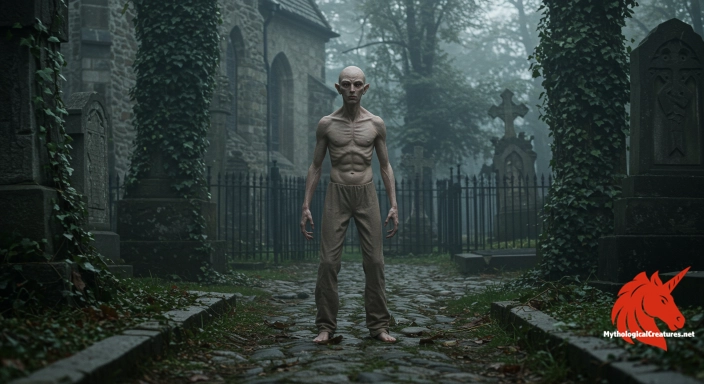
Vjesci
Vjesci - Embodies a cursed destiny and serves as a cautionary figure regarding predetermined fates and supernatural retribution.
the legend in five swipes.
the legend in five swipes.
Vjesci Origins: The Earliest Accounts
The legend of the vjesci has woven itself into the rich fabric of Polish myth, presenting a distinctive take on the vampiric archetype that has intrigued generations. Born with a unique caul adorning the head, these individuals are marked from birth with a destiny that sets them apart from ordinary mortals. Early tales, passed down through generations in both rural whispers and local rituals, reveal a culture deeply intertwined with the mysteries of life and death. Many traditional accounts mention that the presence of the caul was seen as a portent that required urgent intervention to avert a cursed future. Rituals were devised to remove, dry, grind, and ultimately feed the caul to the newborn at the critical age of seven, reflecting a society eager to thwart the emergence of what was feared. The community’s response, steeped in both superstition and care, highlights a cultural reliance on preventative rites to secure the well-being of the family. Over time, the narrative of the vjesci evolved, establishing it as a symbol of fate that is both unavoidable and profoundly otherworldly. The enduring myth not only embodies ancient beliefs in predestination but also underscores the everlasting human struggle against forces beyond mortal control. In its many retellings, the vjesci serves as a potent reminder of how the unknown can be both a curse and a cultural emblem. Its compelling mix of fate, ritual, and eerie resurrection continues to spark both scholarly debate and popular fascination.
How was the story of the Vjesci recorded?
The earliest records of the vjesci emerge from an amalgamation of oral histories, local manuscripts, and folklore compendiums that have been preserved over centuries in Poland. Narratives were often shared in community gatherings and later transcribed by folklorists who sought to capture the essence of these chilling legends. Some accounts find their origins in the era when local church registers and rural chronicles began to document unusual births and subsequent supernatural occurrences. Various story variants have been collected from different villages, each adding subtle nuances to the basic myth. While some narratives focus on the ritualistic removal of the caul to prevent a cursed fate, others emphasise the vjesci’s macabre journey after death. Multiple folk ballads and anecdotal sketches depict the creature’s uncanny activities following its resurrection. These accounts have been compared and contrasted by historians in attempts to trace the evolution of the legend over time. The rich diversity in sources not only underlines the mutable nature of folklore but also illustrates how the fear of the supernatural can be interwoven with everyday life. In several instances, oral traditions have expanded upon written records, resulting in a tapestry of stories that enrich our understanding of this enigmatic being.
Vjesci: What the Legends Describe
In life, the vjesci appears as unremarkable as any other human, blending seamlessly into its community, which only accentuates the shock of its later transformation. When death comes, however, subtle changes betray its hidden truth. The creature’s limbs remain unnervingly limber and pliant, defying the natural hardening expected after death. Its normally human complexion transforms, with the lips and cheeks retaining a persistent, unsettling red that hints at a supernatural vitality. Observers have noted inexplicable blood spots forming under its fingernails and across its face, marking a stark contrast to ordinary decay. This visual anomaly is often accompanied by an almost imperceptible glow, suggesting that the vjesci carries with it an inner light beyond mortal ken. The apparent contradiction between the creature’s preserved youthful features and its cold, lifeless aura adds an eerie dimension to its appearance. Some variants even mention an inexplicable energy that radiates from the areas where the caul once resided, imbuing the being with an aura of both beauty and dread. The detailed physical markers of the vjesci consistently serve as a grim reminder of its cursed existence, making it instantly recognisable in tales of the undead.
How far did the story of the Vjesci spread?
The depiction of the vjesci varies widely across different parts of Poland, reflecting deeply rooted regional superstitions and local customs. In some areas, the ritual of caul removal is carried out with meticulous care, highlighting a community’s collective commitment to warding off its potentially dangerous influence. Other regions place greater emphasis on the posthumous behaviours of the vjesci, such as its nocturnal return and the macabre consumption of its own flesh and clothing. In zones with a strong Catholic tradition, the creature’s refusal to partake in the sacrament is highlighted as a mark of its unholy transformation. Local lore in certain rural communities even imbues the vjesci with a dual nature, viewing it both as a terrifying predator and as an omen foretelling misfortune. Variations in descriptive detail—such as differences in skin tone, physical vigour, and the intensity of its red markings—reflect how regional beliefs influence the portrayal of its supernatural features. Some neighbourhoods have integrated the myth into cautionary tales designed to instil a sense of moral discipline and fearful respect for the unknown. The regional adaptations of the vjesci myth underscore the fluidity of folklore, where a singular legend is reshaped to mirror the values and fears of each community.
Vjesci: Shared Themes in World Myth
The vjesci occupies a fascinating space among the diverse array of vampire legends that sprawl across Eastern and Central Europe. Its origins and physical traits bear a resemblance to creatures such as the Romanian strigoi and the Bulgarian vrykolakas, which similarly straddle the border between life and death. Unlike many Western European vampires, whose origin stories often centre on a curse or an infection acquired posthumously, the vjesci is marked for its fate at birth by an unusual caul. This distinctive beginning creates a parallel with other folklore figures whose destiny is preordained by physical signs and omens. Like many vampire myths, the vjesci exhibits behaviours that blend the human with the monstrous, underscoring a universal fear of the corruptible nature of life after death. Comparative analysis reveals that while the methods of resurrection and subsequent predation can vary, the core element of a disrupted natural order is common throughout these legends. This shared narrative of transformation and defiance of mortal decay speaks to a broader cultural fascination with the possibility of eternal life. In contrasting the vjesci with its counterparts across various cultures, one finds a rich interplay of ritual, superstition, and the enduring human attempt to explain the inexplicable.
How did the Vjesci survive into the modern world?
The evolution of the vjesci myth mirrors the broader transition from secluded rural superstitions to a subject embraced by modern horror and speculative fiction. Historically, this figure was a stark symbol of the ungovernable forces of destiny and the supernatural consequences of deviating from community norms. As time progressed, the vjesci emerged not only as a warning from a bygone era but also as a complex character caught between human vulnerability and monstrous allure. Contemporary interpretations often paint the creature as a tragic figure burdened by a fated curse, inviting empathy as much as fear. Modern literature and film have reimagined its rituals—such as the disturbing act of self-cannibalism and the ritualistic tolling of a church bell—as metaphors for internal decay and societal rejection. This reimagining fosters a dialogue between ancient myth and modern existential dilemmas, allowing the vjesci to transform from a simple folklore monster into a symbol rich with layered meaning. Art and popular culture have cemented the creature’s presence as a timeless reminder of how supernatural legends can evolve to comment on contemporary issues. Even as scientific thought has demystified many supernatural explanations, the haunting allure of the vjesci endures, inviting new generations to explore the dark corridors of myth and mystery.
Interesting Fact
Unlike many vampire legends that focus solely on blood consumption, the vjesci uniquely feeds on its own flesh in addition to preying on its family and neighbors, highlighting the twisted nature of its curse.
Mythological Treasures
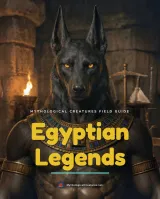
Egyptian Legends: A field guide to the gods and monsters of ancient Egypt
Guardians of the living and devourers of the dead, with the role each played in judgement.
Chinese Beasts: A field guide to the dragons and demon kings of Chinese myth
From river dragons to demon kings, with the legends that shaped five thousand years of storytelling.
Japanese Yokai: A field guide to the spirits and demons of Japanese folklore
Fifteen spirits, with the signs to watch for and what the old tales say to do if you meet one.
the legend in five swipes.
For publishers and studios
Your next readers are already here
Many of our visitors are looking for books, campaigns, and resources that deepen their journey into myth. Position your title or setting here.
Discuss a placementQuick Creature Info
Our Mythic Legendary Rating:

Also Sometimes Known As:
Habitat:
Supernatural Powers:
Physical Attributes:
Abilities:
Behavior:
Lore:
Related Creatures, Tales or Lore
- SStrzyga
- UUpir
- NNosferatu
References
Discover Another Mythical Legend You May Not Have Heard Of?
Uncover the mysteries of ancient folklore and expand your knowledge of legendary beings from cultures around the world.
Dare to Meet the Terrible Monster....
The Mythological Creatures Book Series
Yokai, Greek, Norse, Egyptian & Chinese. Five illustrated field guides to the creatures the old stories either warned or told you about.


Curated by the Mythological Creatures Team
Series editor: Mythological Creatures Directory
Primary desk: Northern & European Folklore Desk
(rev. November 2025)