
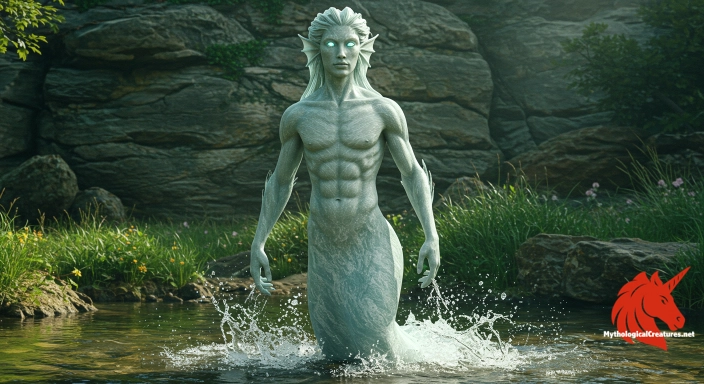
Volturnus: Volturnus is the Roman god of the Tiber and of all rivers, embodying the essential force of flowing water.
Volturnus
Volturnus - Volturnus exemplifies the Roman veneration of natural water sources, integral to both everyday life and spiritual practice.
the legend in five swipes.
the legend in five swipes.
How did the legend of Volturnus begin?
Volturnus emerges in Roman mythology as the divine personification of the Tiber River, embodying both its nurturing and tempestuous qualities. His origins seem to lie in the ancient veneration of natural watercourses, reflecting a deep-seated respect for the life-sustaining and transformative properties of flowing water. He was likely revered even before the establishment of Rome as a civilisation, with local communities recognising his controlling influence over vital waterways. His early attestation is rooted in the intertwined traditions of indigenous Italic and emerging Roman religious practices, where nature itself was deemed divine. Over time, Volturnus evolved to represent not only the Tiber but, by extension, all rivers, symbolising the universal force of water. His ritual worship was marked by the appointment of a dedicated high priest, the Flamen Volturnalis, indicating an established and formalised priesthood. The celebration of his festival, Volturnalia, on August 27 further emphasised his importance within the annual religious cycle of Rome. In cultural context, he reflects the Romans’ profound connection to nature and the belief that divine forces governed both the nurturing and destructive aspects of the natural world. This duality rendered him a key figure in a society that sought to balance the blessings of nature with its inherent dangers. Ultimately, Volturnus stands as a testament to early religious syncretism, where ancient ritual practices were woven into the fabric of Roman state and culture.
Who wrote down the legend of Volturnus?
Ancient sources on Volturnus are relatively scarce, yet the available texts and inscriptions offer intriguing glimpses into his cult and significance. Literary fragments and ritual calendars intermittently reference his name, confirming his official role among the Roman deities. The dedicated priesthood, led by the Flamen Volturnalis, is attested in both inscriptions and minor ceremonial texts, underscoring the formality of his worship. Some historical records mention the timing of the Volturnalia, providing clues about the cyclical nature of his veneration. Variants of his myth appear in different local accounts, with some associating him exclusively with the Tiber while others extend his dominion to all rivers. These scattered narratives suggest that his cult may have originated from an oral tradition that was later codified in written form. Ritual texts hint at specific ceremonies performed along the banks of the Tiber, where offerings to appease the river’s dual nature were made. Even in the absence of extensive epic lore, the existence of multiple story variants points to a dynamic and evolving mythos. The limited but telling references collectively contribute to an image of a deity who commanded both respect and ritual precision. Consequently, his mythological narrative, though fragmented, continues to inspire modern mythographers and historians alike.
What did people say Volturnus looked like?
Artistic depictions of Volturnus rarely settle on a single fixed image, instead conveying the fluidity of water through a range of imaginative portrayals. He is often depicted as an anthropomorphic figure whose form seems to flow and merge with the currents, symbolising the ever-changing nature of rivers. In many representations, his hair appears to ripple like cascading water, emphasising his intrinsic connection to the element he governs. His bodily form is frequently robust and muscular, evoking the strength of a powerful river while also suggesting a gentle capacity for nurturing life. Ancient mosaics and frescoes sometimes capture his visage emerging from turbulent or calm water, blending human features with natural fluidity. His eyes, reflective and deep, are imagined to mirror the mysterious depths of a river teeming with life and secrets. Occasionally, iconography includes artefacts such as a jug, a trident, or even water lilies, reinforcing his role as master of flowing water. Some regional depictions vary, portraying him either in a youthful vigour or as a venerable, stately guardian of the waterways. This variation in physical portrayal underscores the adaptability and rich symbolic potential of his imagery. Overall, the diverse artistic renderings of Volturnus blend natural elegance with formidable strength, encapsulating the essence of the river itself.
How do regional versions of Volturnus differ?
Interpretations of Volturnus shifted considerably across different regions of ancient Italy, reflecting the local nuances in the worship of water deities. In Rome, he was predominantly identified with the Tiber, where his presence was closely intertwined with the city's founding myths and everyday life along the riverbanks. In more rural or provincial areas, his identity sometimes merged with that of local water spirits, resulting in hybrid forms that bore the marks of indigenous cultural traditions. Regional cults often adapted his attributes to address local environmental challenges, such as drought or flood control, thereby reinforcing his role as a guardian of water. Artistic renditions in these areas frequently incorporated local motifs, such as native flora or traditional symbols, which enriched his iconography. The festival of Volturnalia, while widely acknowledged, manifested different ritual practices depending on the locality, with some communities adding unique rites or seasonal celebrations. In certain regions, the depiction of Volturnus was influenced by neighboring cultures, where Celtic or Etruscan elements subtly altered his appearance and mythos. Such local adaptations reveal how flexible religious practices were in integrating a central Roman deity with regional beliefs. Variations in his worship practices underscored the dynamic interplay between centralised Roman religious doctrine and regional cultural expressions. Thus, the regional diversity of Volturnus’s worship illustrates the multifaceted nature of Roman religion and its capacity to absorb and transform local spiritual needs.
Volturnus: Shared Themes in World Myth
Exploring the character of Volturnus alongside other water deities unveils fascinating parallels across different mythological traditions. His role as a river god in Roman culture finds echoes in the Greek Potamoi, where labours of water, fertility, and natural cycles were similarly revered. Like his Greek counterparts, Volturnus embodies the delicate balance between the nurturing and overwhelming forces of water. Celtic water spirits, too, share common iconographic themes with Volturnus, such as the depiction of flowing hair and an aura of mystery, which reflects a shared fascination with the natural world. Although the contexts differ, these deities often symbolise the life-giving as well as the destructive capacities inherent in water. The specialised priesthood assigned to Volturnus, particularly the Flamen Volturnalis, also establishes a point of comparison with the organised cults of other ancient river gods. Yet, the distinctiveness of Volturnus lies in his dual identity as both a local guardian of the Tiber and a broader personification of riverine forces. His narratives, while comparatively concise, contribute to a global tapestry of water worship that spans diverse cultures. The intermingling of iconographical elements between Roman, Greek, and Celtic traditions illustrates how ancient societies similarly revered the mysterious powers of water. Ultimately, Volturnus’s myth serves as a compelling case study in the trans-cultural evolution of river deities and their enduring symbolism.
Volturnus: How the Legend Lives On
Over the centuries, the representation and worship of Volturnus have undergone profound transformations that mirror the shifting religious and cultural landscapes of Rome. In ancient times, he was revered as the embodiment of the vital forces of water, a deity whose influence extended to both natural and urban realms. As Rome transitioned through periods of expansion and religious reform, his cult became more specialised, with a defined hierarchy of priests and a fixed festival on the calendar. The gradual rise of Christianity and the subsequent decline of traditional polytheistic rituals led to a diminution in his mainstream prominence, although vestiges of his worship endured in local traditions and folklore. In modern times, there has been a modest revival of interest in Volturnus, spurred by a broader cultural reawakening of ancient myth and heritage. Contemporary artists and writers have occasionally drawn on his imagery to highlight themes of environmental renewal and the enduring power of natural forces. Neo-pagan movements and cultural heritage enthusiasts have also found value in resurrecting aspects of his ancient rites during modern festivals. His legacy persists as a symbolic reminder of the profound relationship between human civilisation and the natural world, particularly water. Even now, Volturnus inspires reflection on the continuity of ancient traditions and the timeless influence of nature worship. Thus, the evolution of his myth offers not only insight into the past but also a living dialogue between ancient spirituality and modern environmental consciousness.
Interesting Fact
A fascinating aspect of Volturnus is his exclusive cult status—marked by the existence of the Flamen Volturnalis—demonstrating how even minor deities were integral to the complex religious tapestry of ancient Rome.
Mythological Treasures
Japanese Yokai: A field guide to the spirits and demons of Japanese folklore
Fifteen spirits, with the signs to watch for and what the old tales say to do if you meet one.
Greek Myths: A field guide to the monsters of ancient Greece
Every monster here earned its place in legend, and each gets a full page of artwork and the story behind it.
Norse Sagas: A field guide to the beasts of the Viking world
Drawn from the saga accounts themselves, with the powers, weaknesses and doom of each being set out.
the legend in five swipes.
Partner with Mythological Creatures
Bring your myth-based world into ours
From game settings to narrative worlds, we work with partners who treat myths with care. Share your project for a potential sponsor slot.
Partner with usQuick Creature Info
Origin:
Features:
Associations:
Our Mythic Legendary Rating:

Habitat:
Supernatural Powers:
Physical Attributes:
Abilities:
Behavior:
Lore:
Related Creatures, Tales or Lore
- TTiberinus
- AAlpheus
- AAchelous
References
Discover Another Mythical Legend You May Not Have Heard Of?
Uncover the mysteries of ancient folklore and expand your knowledge of legendary beings from cultures around the world.
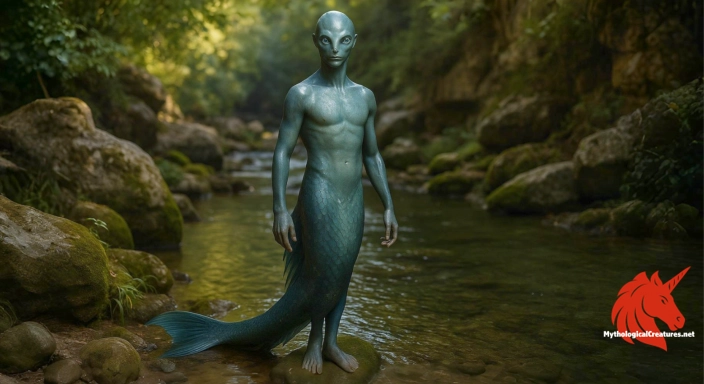
Dare to Meet the Nommo....
The Mythological Creatures Book Series
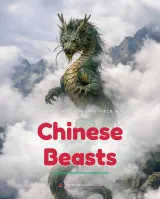
Yokai, Greek, Norse, Egyptian & Chinese. Five illustrated field guides to the creatures the old stories either warned or told you about.


Curated by the Mythological Creatures Team
Series editor: Mythological Creatures Directory
Primary desk: Hellenic & Ancient Mediterranean Desk
(rev. November 2025)