
Vörðr: Vörður is a warden spirit from Norse mythology that invisibly accompanies an individual’s soul from birth to death.
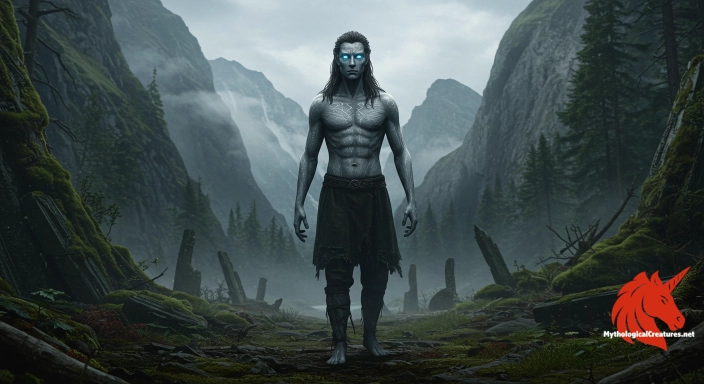
Vörðr
Vörðr - Embodies the Norse belief in a personal spiritual guardian that watches over an individual’s soul throughout life.
Origins & First Encounters
The vörr are enigmatic warden spirits deeply embedded in Norse mythology, serving as silent custodians who trail the soul, or hugr, from the moment of birth until death. Emerging from a rich tapestry of Old Norse tradition, these guardians are interwoven with the belief that every individual is watched over by an unseen power. Their origins are traced to a time when the boundaries between the physical and the spiritual worlds were understood as fluid and intricately connected. Early attestations in mythic sagas and poetic verses hint at a society that revered these spirits as protectors and guides. The cultural context of the vörr reflects a worldview in which personal destiny and cosmic order are intertwined. As non-interventionist overseers, they quietly ensure the continuity of the life journey and the proper unfolding of fate. Their presence symbolises both the inevitability of mortal destiny and the subtle interplay between the tangible and the divine. The vörr encapsulate an ancient ethos where every soul is both individual and part of a larger cosmic design. In their silent vigilance, they remind us of the transient nature of human life and the perpetual cycle of existence. This enduring myth continues to inspire a sense of mystery and reverence in the modern imagination.
Source Texts & Tale Variants
Ancient texts provide the primary window into the elusive world of the vörr, where scattered mentions in the Poetic Edda and other Norse manuscripts offer tantalising glimpses of their role as life-long guardians. Fragments in medieval sagas subtly introduce these warden spirits, suggesting that they were a familiar part of the Norse understanding of the soul’s journey. Some accounts in the Prose Edda hint at the idea of an ever-present spirit that quietly accompanies a person through all facets of life. In Icelandic sagas, the theme of the guardian spirit is intermingled with broader discussions of fate and the nature of the human soul, creating a layered narrative. Oral traditions and later folklore further expanded this concept, preserving variants that emphasise different aspects of these mystical watchers. Differing story variants sometimes portray the vörr as shape-shifters capable of adopting multiple forms, while in other retellings they remain abstract and indefinable. Runic texts and minor inscriptions also make oblique references to a spirit that watches over one’s destiny. Despite the fragmentary nature of these sources, a consistent theme emerges: the vörr are indispensable keepers of personal destiny, quietly influencing the course of mortal life. The multiplicity of interpretations in ancient sources enriches our understanding of this complex mythic element.
Form & Powers
Although the vörr are primarily conceived as spiritual entities, efforts to visualise them have produced a range of evocative physical descriptions steeped in symbolism. They are often imagined as ephemeral silhouettes or faint, radiant auras that convey an otherworldly presence. When perceived, these guardians are said to shimmer with an indefinable light, suggesting an intimate connection to the inner life of the individual. Some narratives depict them as capable of assuming animal forms such as wolves, birds, or even boars—creatures already steeped in Norse symbolic tradition. This fluidity of form underscores the belief that their appearance reflects the unique traits and destiny of the person they accompany. Despite occasional artistic attempts to provide concrete details, the inherent nature of the vörr remains shrouded in mystery and abstraction. Their elusive form blurs the line between the physical and the spiritual, evoking sensations of both wonder and uncertainty. Modern reinterpretations in art and literature often merge these traditional visual cues with innovative aesthetics to portray a guardian that is as multifaceted as the human soul. Ultimately, the physical description of the vörr is less about fixed features and more about conveying an enduring, mystical presence.
Regional Faces
The interpretation of the vörr varies across different regions of the Norse cultural sphere, each imbuing the guardian spirit with its own distinctive flavour. In Icelandic lore, for example, the concept of the vörr sometimes merges with that of the fylgja, resulting in depictions that blend animalistic traits with a more abstract spiritual essence. In other Scandinavian traditions, the warden is portrayed with a greater emphasis on its role as an omnipresent observer, rather than a manifest physical entity. Regional folk narratives from Norway and Sweden often introduce local variations, where the guardian not only protects but occasionally portends significant shifts in fate. Rural communities, steeped in oral tradition, have preserved nuanced accounts that reflect the environment, local beliefs, and even seasonal cycles. Artistic depictions in different parts of the Norse world further illustrate these regional variations, with some areas favouring more human-like manifestations while others lean towards spectral, animal forms. Despite these differences, the central narrative remains consistent: the vörr is an ever-present companion on the journey of life. The interplay between local tradition and the broader mythological framework adds depth and regional colour to this enduring symbol.
Cultural Parallels
Across diverse mythological traditions, the vörr finds notable parallels that underscore a universal human intuition about personal guardian spirits. Roman mythology, for instance, offers the concept of the genius—a familiar spirit that accompanies individuals throughout life, echoing the protective role of the vörr. Similarly, Celtic traditions speak of a spectral double or fetch, a shadowy companion that mirrors one’s inner essence and destiny. These cross-cultural comparisons highlight a recurring motif: the belief in an unseen guide that helps navigate the uncertainties of life. In many Indigenous traditions, whether in the Americas or other parts of the world, guardian spirits serve as emblematic links between the physical and the transcendent. Such analogues reveal that while the specifics of appearance and function may differ, the underlying purpose remains strikingly similar. The vörr, therefore, is part of a broader pan-cultural narrative where individual destiny is watched over by a silent force. These similarities enable a richer comparative analysis, forging connections between Norse beliefs and a multitude of global spiritual traditions. In this way, the vörr not only enriches our understanding of Norse mythology but also contributes to the universal dialogue on the nature of the soul and its perpetual guardian.
Legacy & Modern Evolution
Over time, the vörr has undergone a fascinating evolution, mirroring shifts in cultural perspectives and artistic expression from the ancient world to modern society. During the later medieval era, as Norse beliefs intertwined with emerging Christian narratives, the role of the guardian spirit transformed, taking on more symbolic and introspective dimensions. In the modern period, renewed interest in Norse heritage, partly spurred by neopagan movements and academic reinterpretation, has led to a resurgence of the vörr’s myth. Contemporary writers and artists are increasingly drawn to this enigmatic figure, exploring it as both a literal protector and a metaphor for inner conscience. Films, graphic novels, and digital art often reimagine the vörr as an emblem of personal destiny, a shadow that embodies the interplay between fate and free will. Modern interpretations frequently focus on the psychological resonance of the myth, portraying the spirit as a manifestation of one’s inner self. Today, the vörr stands not only as a relic of an ancient worldview but also as a dynamic contemporary symbol of introspection and self-empowerment. Its continuing allure lies in its capacity to bridge the gap between past and present, offering timeless insights into the enduring human quest for meaning and guidance. The evolution of the vörr thus reflects a broader cultural journey, where ancient myth is continually reinterpreted to speak to modern existential concerns.
Interesting Fact
An intriguing aspect of the Vörður is its universal connection to every individual in Norse mythology, symbolising a personal guardian that is both ever-present and unseen.
Sponsor this space
Tasteful, fixed-fee placements for myth projects
No bidding wars or flashing banners. We offer simple placements for a small set of creators and brands aligned with our readers.
Request further detailsQuick Creature Info
Origin:
Features:
Our Mythic Legendary Rating:

Also Sometimes Known As:
Habitat:
Supernatural Powers:
Physical Attributes:
Abilities:
Behavior:
Lore:
Related Creatures, Tales or Lore
- FFylgja
- DDoppelgänger
- GGuardian Angel
References
Discover Another Mythical Legend You May Not Have Heard Of?
Uncover the mysteries of ancient folklore and expand your knowledge of legendary beings from cultures around the world.
Dare to Meet the Palis....
-bf423acb-383a-4f67-b137-f425d36f722b_small.webp "Depiction of Palis")
Curated by the Mythological Creatures Team
Series editor: Mythological Creatures Directory
Primary desk: Northern & European Folklore Desk
(rev. November 2025)