
Wawel Dragon: The Wawel Dragon is a legendary creature from Polish folklore, known for terrorizing Kraków.
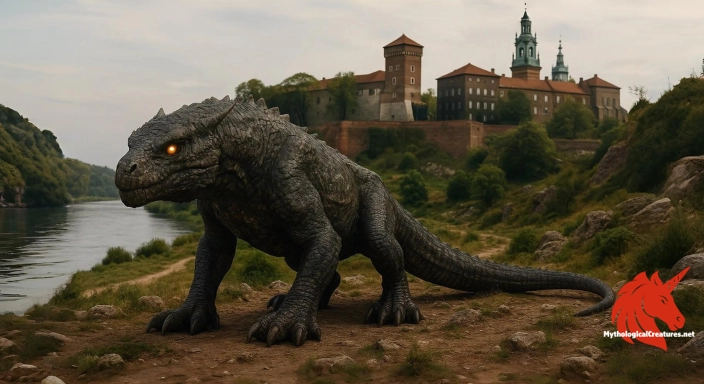
Wawel Dragon
Wawel Dragon - An enduring symbol of Kraków and Polish myth, representing the triumph of cleverness over brute force.
the legend in five swipes.
the legend in five swipes.
When did people first speak of the Wawel Dragon?
The Wawel Dragon is a captivating figure in Polish legend whose presence has coloured the historical and cultural narratives of Krakow for centuries. This beast emerges from the mists of medieval lore as an embodiment of untamed power and mystery. Its origins are intertwined with the foundational tales of the city, reputedly plaguing the early settlements established by the legendary King Krak. Emerging in the 13th century, early accounts describe the creature as one who devours whole, a detail that vividly captures its ferocity. Over time, the legend evolved into a symbolic struggle between chaos and civilisation. The narrative weaves themes of heroic defiance and grim menace that continue to reverberate in Polish cultural memory. Local folklore recounts how the dragon was once appeased with regular offerings of cattle, highlighting both the desperation and ingenuity of its era. As centuries passed, the myth grew richer, absorbing elements of both historical fact and imaginative embellishment. Its enduring allure continues to inspire creative retellings and local celebrations alike. The Wawel Dragon remains a pivotal emblem of national identity, reminding all who hear its tale of the timeless battle between good and evil.
How was the story of the Wawel Dragon recorded?
Ancient chronicles first mention the creature in the 13th century, marking the beginning of a storied tradition in Krakow. Various chroniclers over the centuries have adapted the tale to reflect shifts in societal values and artistic expression. Medieval manuscripts detail the beast as a ravenous monster, intricately woven into the early legends of a nascent capital. Some accounts describe a desperate measure of appeasement via weekly offerings of cattle, underscoring the community’s struggle for survival. A particularly striking version recounts the ingenious use of decoy cows laden with sulphur to defeat the creature. Subsequent narratives introduce a dramatic twist with familial strife, where royal sons vie for glory and even a princess rises to the challenge. A 15th-century chronicle even swaps the roles of these princes, illustrating the fluid nature of oral history. In a later rendition from 1597, the clever stratagem is attributed to a humble cobbler named Skub, adding nuance to the legend. Multiple versions illustrate how the myth was a canvas for creative reinterpretation over time. These diverse sources have interlaced to form a rich tapestry that continues to enthral and educate audiences today.
What could the Wawel Dragon do?
Conceived in the fertile imagination of medieval storytellers, the Wawel Dragon is often depicted as an immense, scaled behemoth with an imposing presence. Its body is said to be covered in rugged, armour-like scales that glint with a foreboding sheen. The creature is frequently described as possessing a long, sinuous neck, a powerful tail, and forelimbs armed with menacing, sharp claws. Artistic portrayals evoke images of a fierce visage, marked by glowing eyes and a gaping maw lined with jagged, formidable teeth. Some versions of the legend include the addition of grand, tattered wings, conjuring an image that is both majestic and terrifying. Local lore often exaggerates its size, suggesting that the dragon's bulk could overshadow the ancient walls of Wawel Castle. Its rough exterior is further accentuated with horns and spiny projections that enhance its mythic aura. Despite variations in interpretation, each depiction reinforces the idea of a creature whose strength and ferocity defy mortal comprehension. Modern sculptures and illustrations have only deepened the mystique surrounding its physical form. In every retelling, the dragon’s detailed anatomy serves as a powerful metaphor for nature’s untamed and formidable forces.
How did location shape the story of the Wawel Dragon?
The legend of the Wawel Dragon holds a central place in the cultural landscape of Krakow and the broader regions of Poland. Local narratives closely associate the beast with the iconic Wawel Hill and the winding course of the Vistula River. Regional storytellers have adapted its tale to incorporate nearby landmarks, lending a distinct sense of place to the myth. In some local renditions, the dragon is portrayed as a dual symbol of both menace and an enigmatic guardian of the land. Variations in the narrative reveal subtle differences in characterisation, with some communities viewing it as an embodiment of natural chaos, while others see hints of misunderstood sorrow. Outside the urban core, neighbouring villages introduce unique twists that enrich the overall tapestry of the legend. Seasonal festivals and local art often celebrate the creature, integrating it into a broader ritual and communal identity. These regional adaptations highlight the flexibility of folklore, allowing the same myth to mirror locally held values and fears. The shared elements with neighbouring Eastern European legends further illustrate its widespread appeal. Thus, the regional evolution of the Wawel Dragon myth serves as a living record of diverse cultural interpretations and collective memory.
Wawel Dragon: Cross-Cultural Comparisons
The Wawel Dragon stands in intriguing contrast to a wide array of dragon myths found across Europe and beyond. Its portrayal shares similarities with the red dragon of Welsh mythology, both of which symbolise formidable natural power and national pride. In Eastern European traditions, the creature finds a counterpart in the Russian Zmey Gorynych, a beast whose ferocity and multi-headed form also evoke a sense of overwhelming danger. While many Eastern dragons are steeped in tales of malevolence, the Wawel Dragon is particularly noted for the ingenious methods devised to vanquish it, echoing themes seen in the story of St. George. Unlike the benevolent dragons of Chinese lore, it is cast firmly as an adversary to be outwitted and overcome. The narrative of using decoy cattle filled with sulphur underscores a universal motif of humanity triumphing over monstrous chaos. This comparison reveals that while cultural contexts differ, dragons universally serve as symbols of the untamable and the unknown. The cross-cultural parallels underscore shared human concerns with the balance of power between humankind and the natural world. Such analysis deepens our appreciation of how a single mythic archetype can morph to reflect varied societal values. Ultimately, the Wawel Dragon enriches the wider dialogue on myth, symbolism, and the hero’s journey across global traditions.
Wawel Dragon: The Legend's Second Life
The enduring narrative of the Wawel Dragon illustrates a fascinating evolution from ancient myth to modern cultural icon. Over the centuries, the tale has been reimagined by poets, painters, and filmmakers, each infusing the legend with their unique creative insights. Its transformation mirrors the dynamic interplay between historical events and the fluid realm of folklore. Modern Krakow proudly embraces the myth through statues, festivals, and public art, transforming the dragon into a symbol of both local pride and creative resilience. Contemporary interpretations often highlight the ingenuity and cleverness required to defeat such a fearsome adversary, resonating deeply in today’s media. The story has inspired modern adaptations ranging from animated features to graphic novels, ensuring its relevance for new generations. These reinterpretations underscore not only the timeless allure of dragon lore but also an evolving understanding of power and vulnerability in society. The myth's progression from a fierce beast to a celebrated emblem mirrors broader cultural shifts towards a more nuanced view of old legends. Today, the dragon also prompts reflections on environmental caution, mystical heritage, and the triumph of human wit over brute force. Its legacy, rich with historical layers and modern reinterpretations, continues to captivate and provoke the collective imagination in Poland and beyond.
Interesting Fact
The Dragon's Cave (Smocza Jama) at Wawel Hill continues to attract visitors, symbolizing the blend of myth and history that defines Kraków.
Mythological Treasures
Egyptian Legends: A field guide to the gods and monsters of ancient Egypt
Guardians of the living and devourers of the dead, with the role each played in judgement.
Chinese Beasts: A field guide to the dragons and demon kings of Chinese myth
From river dragons to demon kings, with the legends that shaped five thousand years of storytelling.
Japanese Yōkai: A field guide to the spirits and demons of Japanese folklore
Fifteen spirits, with the signs to watch for and what the old tales say to do if you meet one.
the legend in five swipes.
Curated sponsor space
One subtle banner. Thousands of myth lovers.
We offer a small number of curated sponsor spots for relevant books, courses, games, and art. No clutter, just well-matched partners.
Partner with usQuick Creature Info
Associations:
Our Mythic Legendary Rating:

Also Sometimes Known As:
Habitat:
Supernatural Powers:
Physical Attributes:
Abilities:
Behavior:
Weaknesses:
Lore:
Related Creatures, Tales or Lore
- FFafnir
- SSmaug
- LLadon
References
Discover Another Mythical Legend You May Not Have Heard Of?
Uncover the mysteries of ancient folklore and expand your knowledge of legendary beings from cultures around the world.
Dare to Meet the Chasca....

The Mythological Creatures Book Series
Yōkai, Greek, Norse, Egyptian & Chinese. Five illustrated field guides to the creatures the old stories either warned or told you about.


Curated by the Mythological Creatures Team
Series editor: Mythological Creatures Directory
Primary desk: Northern & European Folklore Desk
(rev. November 2025)