
Chasca: Chasca is a folkloric water spirit from Salvadoran tradition, also known as 'la virgen del agua'.
-9f2d8ba3-a57d-47d9-a413-2d5a09a5d622_small.webp "Chasca - Embodies a tragic love story and the respectful bond between humans and the water spirit, ensuring bountiful catches for those who honour her.")
Chasca
Chasca - Embodies a tragic love story and the respectful bond between humans and the water spirit, ensuring bountiful catches for those who honour her.
the legend in five swipes.
the legend in five swipes.
How old is the legend of Chasca?
Chasca emerges from Salvadoran folklore as a haunting symbol of tragic love and enduring mystery. Her legend, deeply rooted in the coastal community of Barra de Santiago, intertwines indigenous traditions with later cultural influences. The story of Chasca unfolds against a backdrop where passion clashes with duty, setting the stage for a narrative both beautiful and sorrowful. Originating in oral traditions passed down through generations, her tale has been recounted by local fishermen and elders, preserving every heart-wrenching detail. Her narrative was first attested in popular folk recitations, where the supernatural mingles with everyday life. The myth reflects the delicate balance between nature and human emotion, encapsulated by her fateful decision and subsequent transformation. Uniting elements of romance, betrayal, and the capricious powers of fate, the legend captures the imagination of those who hear it. Over time, Chasca has transcended the limits of a mere story to become a revered cultural symbol, embodying both innocence and defiance. Her presence in folklore continues to evoke deep emotions and serve as a reminder of the powerful narratives that shape community identity.
How did the story of Chasca change over time?
The tale of Chasca is predominantly preserved through a rich tapestry of oral traditions passed down by generations of coastal inhabitants. Local fishermen and community elders have recounted her story at twilight gatherings, where the interplay of moonlight and the sound of the sea evoke its timeless magic. In these oral accounts, variations of the narrative introduce nuances about her origins, relationships, and supernatural encounters. Some versions recount additional elements of her life, lending depth to her role as both lover and spirit. Though contemporary written records are scarce, early colonial narratives occasionally allude to similar water-linked apparitions that hint at a shared cultural memory. Ethnographic accounts from the region often focus on her recurring appearance during full moons, linking her presence to a ritual respect for nature. Folkloric compilations have attempted to document her story, ensuring her legacy is not lost among the rapidly modernising waves of change. The persistence of her tale in community festivals and ritual observances further underscores its importance. Her narrative continues to inspire local storytellers and serves as a vibrant thread in the fabric of Salvadoran cultural history.
Chasca: Physical Form and Supernatural Powers
Descriptions of Chasca evoke an image of ethereal beauty and spectral grace, attributes that have enchanted those who claim to witness her presence. She is frequently portrayed adorned in luminous attire that seems to shimmer with the reflective qualities of water under moonlight. Many narrators describe her as possessing delicate features softened by the glow of the full moon, an image that transports observers to a realm of dreams and legends. Her apparition in a white canoe, gliding silently over dark, reflective waters, reinforces her enigmatic status as a guardian of the aquatic realm. Variations in accounts suggest that her appearance may change subtly with the phases of the moon, sometimes seeming more human and at other times more like a shimmering mirage. Her eyes, according to some traditions, mirror the depth of the ocean, conveying a profound sorrow and mystery. The physical presence of Chasca is accentuated by the natural surroundings, where the ripples in the water and the gentle lapping of the waves seem to echo the cadence of her tragic story. Descriptions also suggest a graceful posture and a serene countenance, reinforcing her identity as the virgin of the water. Overall, her depiction is carefully interwoven with natural elements, highlighting the intrinsic connection between her being and the fluid realms she inhabits.
Chasca: One Legend, Many Local Versions
The figure of Chasca is celebrated primarily along the Salvadoran coast, yet her legend resonates through a network of communities influenced by both pre-Columbian and colonial heritages. Variations of her tale appear in neighbouring villages, each adapting certain elements to reflect local traditions and natural landscapes. In some regions, the lore emphasises her role as a nurturer of the sea’s bounty, thereby intertwining her identity with the livelihood of coastal fishermen. In other areas, she is portrayed with a stronger emphasis on her tragic romance, mirroring regional stories of love and loss. The blend of indigenous narratives and European influences in these communities has enriched the story, allowing different cultural nuances to emerge. While certain details such as her beloved Acayatl or the fatal intervention by Pachacutec remain constant, regional storytellers often embellish the moral and spiritual lessons inherent in her tale. The rituals associated with her appearance on a full moon vary, with some locales instituting specific taboos or celebrations designed to honour her memory. Her legend also incorporates local geographic features, such as particular coves or bays, which are said to be her chosen domains. Thus, the regional variations of Chasca’s story offer a multifaceted perspective that highlights the enduring adaptability of myth in reflecting communal values and environmental relationships.
Which myths echo the story of Chasca?
The story of Chasca shares intriguing parallels with other water-associated deities and spirits found across diverse mythological traditions. Many cultures have legends of water nymphs or river goddesses whose beauty and tragic fates resonate with the imagery associated with Chasca. Similar to the enigmatic La Llorona of Latin American lore, her tale is imbued with themes of profound loss and a haunting presence that commands both reverence and sorrow. In the realms of European folklore, spectral water maidens echo aspects of her ethereal beauty and sorrowful destiny, underscoring the universal nature of water as a symbol of life’s transience. Comparative studies reveal that such figures often serve as metaphors for the capricious qualities of nature and the delicate balance between love and fate. In some indigenous narratives, a coupling of mortal passion and supernatural intervention similarly forms the core of mythic tales, much like the partnership between Chasca and Acayatl. The motif of a tragic romance leading to a spectral existence is recurrent in tales where nature itself becomes a witness to human anguish. These cross-cultural connections enhance the appreciation of Chasca as not merely a local legend but as part of a wider tradition of water-sprite mythologies. Her tale, therefore, resonates with audiences beyond her immediate cultural confines, inviting comparisons that underscore the shared human fascination with mystery and the natural world.
How has the image of Chasca evolved?
Over the decades, the story of Chasca has transitioned from a cautionary tale into a celebrated emblem of cultural resilience and communal identity in El Salvador. The myth has evolved, adapting to changing social dynamics while retaining its core elements of love, loss, and nature’s enigmatic beauty. Modern interpretations have often cast her as a symbol of purity and defiance against oppressive forces, resonating with contemporary narratives of empowerment. Ritual practices associated with her apparition on full moon nights have influenced local fishing customs, serving as a reminder of the delicate relationship between humans and nature. Her image has permeated local art, literature and even popular media, ensuring that her tale remains alive in the collective memory. Cultural festivals and community gatherings often invoke her name in both solemn remembrance and vibrant celebration, blending reverence with artistic expression. Over time, Chasca has come to represent not only the tragedy of lost love but also the hope for renewal and the bountiful gifts of the sea, reflecting an ongoing dialogue between the past and present. Scholars and cultural custodians continue to explore her layers of meaning, celebrating the way her story bridges historical narratives with modern spirituality. In this manner, the legacy of Chasca endures, inviting each new generation to find a part of themselves within her timeless myth.
Interesting Fact
Chasca's tale, deeply rooted in Salvadoran folklore, not only recounts a heart-wrenching love story but also reinforces the cultural belief that respect for the natural world can yield tangible blessings.
Mythological Treasures
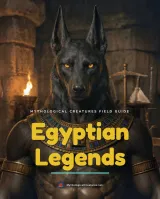
Egyptian Legends: A field guide to the gods and monsters of ancient Egypt
Guardians of the living and devourers of the dead, with the role each played in judgement.
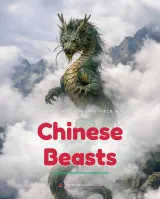
Chinese Beasts: A field guide to the dragons and demon kings of Chinese myth
From river dragons to demon kings, with the legends that shaped five thousand years of storytelling.
Japanese Yokai: A field guide to the spirits and demons of Japanese folklore
Fifteen spirits, with the signs to watch for and what the old tales say to do if you meet one.
the legend in five swipes.
Support the directory
Promote your myth project and fund more research
Sponsor placements help keep this directory growing and free to use while giving your work a focused, relevant audience.
Learn how sponsorship worksQuick Creature Info
Origin:
Features:
Associations:
Our Mythic Legendary Rating:

Also Sometimes Known As:
Habitat:
Supernatural Powers:
Physical Attributes:
Abilities:
Behavior:
Lore:
Related Creatures, Tales or Lore
- YYemojá
- LLa Llorona
- MMami Wata
References
Discover Another Mythical Legend You May Not Have Heard Of?
Uncover the mysteries of ancient folklore and expand your knowledge of legendary beings from cultures around the world.
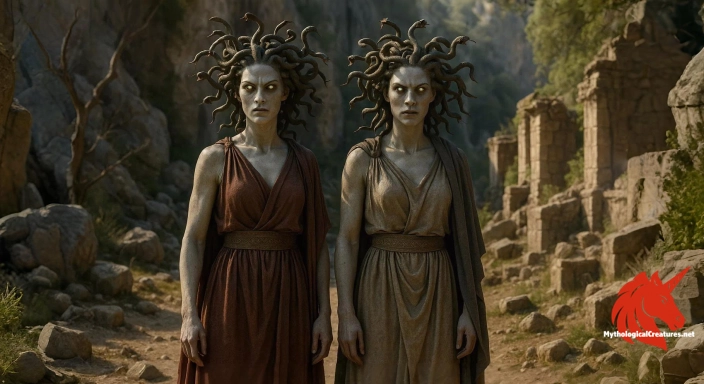
Dare to Meet the Stheno and Euryale....
The Mythological Creatures Book Series
Yokai, Greek, Norse, Egyptian & Chinese. Five illustrated field guides to the creatures the old stories either warned or told you about.
Curated by the Mythological Creatures Team
Series editor: Mythological Creatures Directory
Primary desk: Americas & Indigenous Traditions Desk
(rev. November 2025)