
Xhindi: Xhindi is a mysterious mythological creature from Albanian mythology.

Xhindi
Xhindi - Represents the mysterious and dual-natured aspects of Albanian mythological beings.
the legend in five swipes.
the legend in five swipes.
Xhindi Origins: The Earliest Accounts
Xhindi emerges from Albanian myth as an enigmatic creature whose origins stretch back into the mists of pre-Christian tradition. Its story is woven into the fabric of regional folklore, where every retelling reveals a different facet of its mysterious nature. It is often portrayed as a liminal being, bridging the earthly realm with an ethereal dimension that defies conventional explanation. Oral traditions suggest that Xhindi was first attested in local village tales, long before it sporadically appeared in fragmented medieval records. Many villagers revered the creature as a guardian of ancient wisdom and as a silent witness to nature’s ongoing cycles. Over time, its myth evolved through the retelling of stories passed down from generation to generation. Although sparse in written documentation, the lore surrounding Xhindi is richly interlaced with local customs and natural phenomena. Its multifarious character has enthralled listeners for centuries, ensuring that its legend endures in the hearts of those who cherish Albanian cultural heritage. A sense of wonder and trepidation often accompanies mentions of Xhindi, reflecting its role as both a protector and a portent. Ultimately, the creature embodies the enigmatic spirit of a land where myth and nature are irrevocably entwined.
The Documented Accounts of Xhindi
The narrative of Xhindi finds its roots in a tapestry of oral histories and scattered mentions within local manuscripts. In remote mountain hamlets, elders recite elaborate versions of its tale, each variant coloured by local circumstances and environmental symbolism. Some versions depict Xhindi as an elusive spirit who rewards those displaying humility and respect for the land. Other renditions paint it as a sly trickster, weaving mischief into the daily lives of the unwary. While ancient texts are few, medieval chronicles occasionally hint at mysterious occurrences attributed to this supernatural being. The creature's presence in folklore has been cemented by its frequent inclusion in epic ballads and cautionary tales. Many of these sources, though fragmentary, emphasise the duality of its influence on fortune and destiny. As diverse storytellers adapted the myth to reflect their own surroundings, the legend of Xhindi expanded beyond a single narrative, accumulating layers of meaning across regions. This varied corpus of stories underlines a vibrant cultural heritage that has adapted and thrived over time. The accumulation of these narrative strands ensures that the myth of Xhindi remains a subject of intrigue and reverence.
What did people say Xhindi looked like?
Xhindi is depicted with a physicality that is as fluid and elusive as its myth suggests. Descriptions often highlight a lithe, sinuous form that seems to shift under the changing light of dusk and dawn. Its skin is said to possess a subtle luminescence, with hints of iridescence that mirror the soft glow of moonlight on water. Many accounts detail large, penetrating eyes that convey an ancient wisdom, while some describe them as deep pools that change colour with the creature’s moods. Its limbs are portrayed as both graceful and powerful, endowed with a flexibility that enables swift, almost dance-like movements. Some local traditions embellish its anatomy with delicate features, such as wisps of hair that trail like the mists over Albanian hills. Variations in its description are not uncommon, with certain narratives suggesting the presence of intricate markings that resemble ancient runes. Additional embellishments include suggestions of antler-like formations or subtle scales along its back, adding to its mystical allure. This amalgamation of visual elements creates a creature that is both awe-inspiring and otherworldly, perfectly reflecting the intangible nature of myth. Each physical portrayal of Xhindi reinforces its role as an emblem of nature’s secret and ever-changing beauty.
How far did the story of Xhindi spread?
The myth of Xhindi exhibits a rich diversity across different regions of Albania, with each locality adding a unique twist to its character. In the rugged highland areas, the creature is frequently depicted as a formidable guardian of the wilderness, embodying the raw energies of untamed nature. Villages nestled in deep valleys often recount stories wherein Xhindi assumes a more benevolent guise, offering protection to those who honour the natural world. Contrasting depictions are found in coastal and lowland regions, where the entity is sometimes linked with water, symbolising both the life-giving and destructive forces of the sea. These regional narratives reflect a blend of indigenous belief systems and later cultural influences, including Byzantine and Ottoman elements. Folklore in the mountainous areas emphasises the creature’s connection to the elemental forces of the earth, while lowland versions are more inclined to poetic portrayals that celebrate its ethereal presence. Local artistry and festival traditions often highlight these varying aspects, integrating the creature’s image into communal identity. Such regional adaptations also hint at common ancestral roots with neighbouring Balkan myths, suggesting a broader, shared tradition of mystical guardianship. Overall, the adaptable narrative of Xhindi mirrors the diverse landscapes and cultural influences that shape Albanian heritage.
Xhindi: Shared Themes in World Myth
Examining the legend of Xhindi alongside parallel mythological beings offers a window into the universal nature of supernatural archetypes. Similar to European sylphs and nature spirits, Xhindi embodies the elusive and transformative qualities of the natural world. Its ability to inspire both wonder and caution is echoed in the tales of mystical creatures such as the Slavic rusalka and the Celtic sidhe. Moreover, the duality present in Xhindi’s character invites comparison with Middle Eastern djinn, where benevolent and malevolent traits coexist in a single entity. Across various cultures, supernatural beings are often depicted as guardians of ancient lore and the natural order, a role that Xhindi fulfills with distinctive Albanian hues. This convergence of themes illustrates how disparate mythologies can mirror each other in their portrayal of life’s transient and mysterious aspects. The shifting, almost mercurial concept of the creature recalls stories from Mediterranean and even Himalayan folklore, where nature and spirit intertwine. Comparative analyses reveal that while names and details differ, the underlying motif of an enigmatic mediator between worlds remains a common thread. These cultural parallels underline the significance of such myths in articulating human reverence for the inexplicable. Ultimately, Xhindi, like many folkloric figures, serves as a symbolic nexus of nature, mystery, and the passage of time.
How did Xhindi survive into the modern world?
Over the centuries, the image of Xhindi has evolved in fascinating ways to reflect the shifting tides of cultural and social change. Initially celebrated as a vital aspect of nature’s mystique, the creature was a staple of oral tradition in isolated communities. With the advent of new religious doctrines and sociopolitical influences, its image adapted to incorporate themes of moral duality, symbolising both virtue and the threat of hubris. In modern times, Xhindi has experienced a renaissance as contemporary artists and writers reinterpret its lore, infusing it with fresh layers of symbolism. Modern adaptations have seen the creature being portrayed as a rebellious spirit who challenges modern society's disconnect with nature. This reimagining is evident in literature, visual arts, and even digital media, where Xhindi has become a potent emblem of environmental consciousness. Cultural festivals and local heritage projects have revived interest in its legend, celebrating it as a part of the national mythos. Debates in academic and artistic circles continue to evolve its narrative, blending the ancient with the modern to reflect ongoing changes in societal values. In this way, Xhindi stands as a timeless figure, continuously reshaped while remaining a steadfast symbol of nature’s enduring mystery. Its legacy endures as both a reminder of Albania’s rich mythological past and a beacon guiding contemporary reflection on the natural world.
Interesting Fact
An interesting facet of Xhindi is its dual nature, which allows it to represent both benevolent and mischievous aspects of the supernatural realm, reflecting the complexities of cultural storytelling.
Mythological Treasures
Chinese Beasts: A field guide to the dragons and demon kings of Chinese myth
From river dragons to demon kings, with the legends that shaped five thousand years of storytelling.
Japanese Yokai: A field guide to the spirits and demons of Japanese folklore
Fifteen spirits, with the signs to watch for and what the old tales say to do if you meet one.
Greek Myths: A field guide to the monsters of ancient Greece
Every monster here earned its place in legend, and each gets a full page of artwork and the story behind it.
the legend in five swipes.
Mythology-aligned partners
Showcase your myth-friendly brand here
Run a store, studio, or platform that lives in the world of myth and folklore? A curated sponsor panel on these pages may fit.
Explore partnership optionsQuick Creature Info
Features:
Associations:
Our Mythic Legendary Rating:

Habitat:
Supernatural Powers:
Physical Attributes:
Abilities:
Behavior:
Lore:
References
Discover Another Mythical Legend You May Not Have Heard Of?
Uncover the mysteries of ancient folklore and expand your knowledge of legendary beings from cultures around the world.
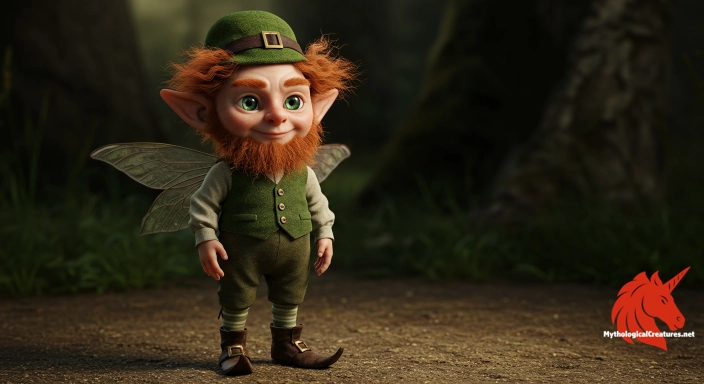
Dare to Meet the Clurichaun....
The Mythological Creatures Book Series
Yokai, Greek, Norse, Egyptian & Chinese. Five illustrated field guides to the creatures the old stories either warned or told you about.


Curated by the Mythological Creatures Team
Series editor: Mythological Creatures Directory
Primary desk: Hellenic & Ancient Mediterranean Desk
(rev. November 2025)