
Ziminiar: Ziminiar, also known as Zymymar, is a demon king featured in Western demonology.
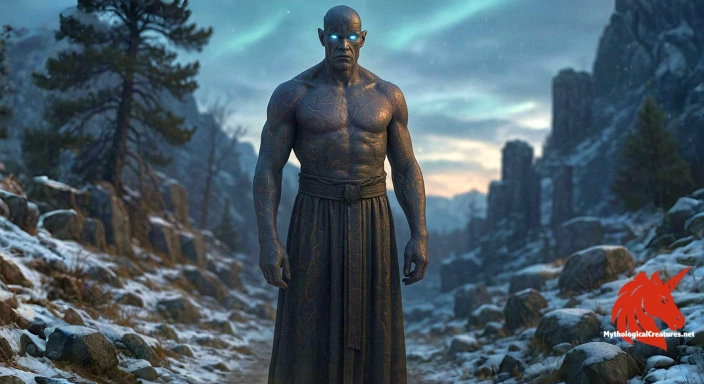
Ziminiar
Ziminiar - Ziminiar is a key figure in demonological hierarchies, symbolising the structured nature of infernal power and the northern domain in occult traditions.
the legend in five swipes.
the legend in five swipes.
Where in the world does Ziminiar come from?
Ziminiar, also known as Zymymar in certain texts, emerges from the annals of demonology as a formidable ruler within a complex demonic hierarchy. His origins are intertwined with the mysterious manuscripts of medieval occultism, where his authority over a host of seventy-two lesser demons is established. Emerging from a cultural milieu steeped in both religious symbolism and esoteric ritual, his figure reflects the anxieties and fascinations of pre-modern belief systems. Hailing as the king of the north, he is portrayed as possessing a fierce command over dark forces, a status granted only to those of exceptional power. His early mentions can be traced back to grimoires such as the Lesser Key of Solomon and the Pseudomonarchia Daemonum, where his influence is meticulously delineated. The portrayal of Ziminiar is enriched by the tension between caution and reverence, as he is not to be conjured except for the most momentous of occasions. The mystique surrounding his persona symbolises the broader interplay between order and chaos that defined ancient magical practices. His enduring allure in demonological lore continues to captivate those interested in the hidden aspects of power and the mysterious forces of the north.
Ziminiar: From Oral Tale to Written Record
The primary foundations of Ziminiar’s myth are found in seminal texts like the Lesser Key of Solomon and the Pseudomonarchia Daemonum, which serve as key sources for many demonological traditions. These grimoires, compiled during periods when magic and mysticism were deeply interwoven with daily life, offer a structured hierarchy of demonic entities, with Ziminiar standing prominently as the northern sovereign. Variants of his story appear across different manuscripts, sometimes with alternate names or slight adjustments to his attributed dominions. Some translations even differ on his exact placement or the nature of his command over the seventy-two subordinate demons, reflecting the diverse regional interpretive traditions. Scholars of the occult have noted that such differences underscore the fluidity of demonological narratives in a time when oral transmission and manuscript copying were prevalent. Each account contributes to an evolving mosaic of his character, blending cautionary tales with ritualistic guidelines. Variations in text also serve to heighten his enigmatic reputation, as different sources advise extreme measures when attempting to invoke his presence. This multiplicity of stories enriches the overall mythos, providing a layered and dynamic portrait of a being who has long been shrouded in both myth and trepidation. His literary record, albeit fragmentary at times, continues to offer fresh insights into the nature of demonic power as conceived by early practitioners of magic.
What abilities did Ziminiar have?
Ziminiar is often envisioned as a majestic yet fearsome figure, his physical form exuding an aura of cold grandeur and ancient authority. He is typically depicted with the imposing stature of a ruler, perhaps adorned with archaic regalia that evokes both martial splendour and supernatural dread. His visage is said to be stern and unforgiving, with features that might include piercing eyes and a countenance marked by eternal vigilance, reflecting the harshness of the northern clime he rules. Artistic renditions sometimes infuse him with elements reminiscent of wintry landscapes: swirling mists, icy embellishments, and a backdrop of stark, barren terrain. His attire is occasionally rendered as a blend of regal armour and demonic ornamentation, suggesting a duality of divine command and sinister power. The physical descriptions, although not uniform, consistently highlight a blend of majestic form and an unsettling, otherworldly presence. Some depictions allude to horns or a crown symbolising his exalted status among demons, while others suggest a more abstract association with the elemental forces of cold and darkness. This synthesis of regal and infernal elements results in a creature whose appearance is as arresting as it is enigmatic, hinting at the latent power that lies beneath his formidable exterior. Visual artists and occult enthusiasts alike have been drawn to the challenge of capturing his essence, a task that continues to evolve with each new interpretation.
Ziminiar: Regional Versions and Local Names
While the core identity of Ziminiar is rooted in Western occult traditions, the ways in which his character is interpreted and portrayed vary widely across regions. In some European traditions, his identity as the northern king is interwoven with the cultural and climatic symbolisms unique to northern lands, where icy landscapes and harsh winters evoke a sense of both splendour and peril. In the Italian Renaissance, for instance, his character sometimes merges with local depictions of imperial darkness and mysticism, drawing parallels to ancient Roman deities of fate and war. In contrast, translations within the British occult milieu tend to emphasise his authoritative control over chaotic forces and the perilous nature of summoning such a potent spirit. Variants of his name, such as Zymymar, reflect the fluidity of translation and adaptation as the demonological tradition spread across linguistic and cultural boundaries. In Eastern European folklore, echoes of his persona can be seen in characters that mirror the harsh realities of northern life, although these adaptations often fuse local mythic elements with the overarching framework of Judeo-Christian demonology. There is often a regional focus on the dangers posed by the north, both in literal climatic terms and metaphorical associations with isolation and mystery. These regional adaptations not only broaden his mythological reach but also serve as a mirror to the diverse cultural landscapes that have adopted and reshaped his legacy.
Ziminiar: Similar Beings in World Folklore
Comparing Ziminiar with other mythological entities reveals a network of symbolic parallels across disparate cultures. Much like the cardinal demon kings found in various traditions, he embodies the thematic interplay between cosmic order and chaotic disruption. His title as the king of the north finds resonance with other mythic figures who govern the colder, remote corners of the world, such as the frost giants of Norse mythology or deities associated with winter's severity in Slavic folklore. Similar to these figures, Ziminiar commands forces that are both awe-inspiring and dangerous, reflecting a universal cautionary stance towards the untamed aspects of nature. His role as a supreme commander over subordinate spirits further aligns him with hierarchies seen in other esoteric traditions, where a single potent entity governs a suite of lesser beings. The rich symbolism attached to his northern dominion also echoes the motif of directional guardianship found in numerous cultural pantheons, where each cardinal point is protected or commanded by a distinct deity or spirit. In comparative analyses, his character is often contrasted with other demonological figures such as Belial or Asmodai, highlighting unique aspects of power and invocation practices. This intertextuality enriches our understanding of demonology, illustrating how regional lore and symbolic multiplicity contribute to a broader tapestry of myth and magic.
Who tells the story of Ziminiar now?
The historical evolution of Ziminiar’s image reflects a dynamic interplay between ancient lore and modern reinterpretation. Over centuries, his depiction has transitioned from stern, cautionary lore in grimoires to a subject of scholarly intrigue and artistic expression in contemporary occult culture. Early manuscript accounts laid the foundation for his identity as a being of overwhelming power, a narrative that has been continually reimagined in modern literature and visual media. In the 19th and 20th centuries, as occultism experienced a revival, his character reemerged with fresh layers of symbolism, resonating with themes of authority and the natural extremes of the north. His representation in modern fantasy art, literature, and even certain subcultures of esoteric practice reflects an enduring fascination with the intrinsic link between power and the elements. Contemporary interpretations often cast him as a cautionary emblem of cosmic balance, one whose invocation remains steeped in the language of arcane ritual. This evolution illustrates how enduring mythological figures can adapt to changing cultural narratives while retaining core attributes. The modern legacy of Ziminiar continues to both challenge and inspire those who delve into the depths of mystical history, ensuring that his story remains a vibrant and potent element of demonological tradition.
Interesting Fact
An interesting note about Ziminiar is that he, along with his fellow demon kings, exemplifies the structured nature of demonic hierarchies detailed in esoteric texts, challenging modern perceptions of chaos in the infernal order.
Mythological Treasures
Greek Myths: A field guide to the monsters of ancient Greece
Every monster here earned its place in legend, and each gets a full page of artwork and the story behind it.
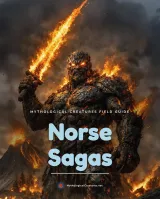
Norse Sagas: A field guide to the beasts of the Viking world
Drawn from the saga accounts themselves, with the powers, weaknesses and doom of each being set out.
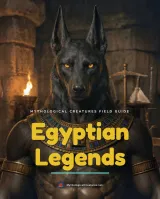
Egyptian Legends: A field guide to the gods and monsters of ancient Egypt
Guardians of the living and devourers of the dead, with the role each played in judgement.
the legend in five swipes.
Support the directory
Promote your myth project and fund more research
Sponsor placements help keep this directory growing and free to use while giving your work a focused, relevant audience.
Learn how sponsorship worksQuick Creature Info
Features:
Associations:
Our Mythic Legendary Rating:

Also Sometimes Known As:
Habitat:
Supernatural Powers:
Abilities:
Behavior:
Lore:
References
Discover Another Mythical Legend You May Not Have Heard Of?
Uncover the mysteries of ancient folklore and expand your knowledge of legendary beings from cultures around the world.
Dare to Meet the Nicaea....
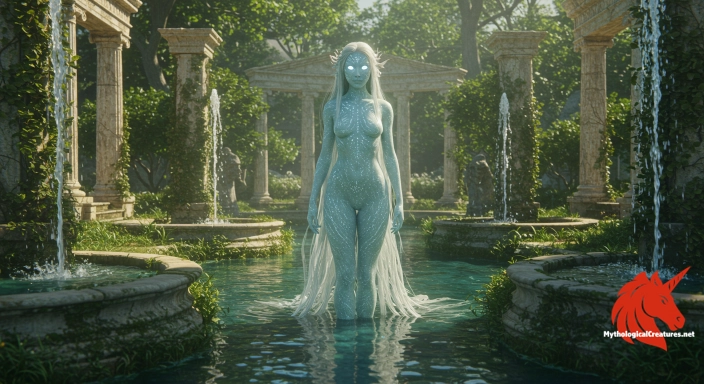
The Mythological Creatures Book Series
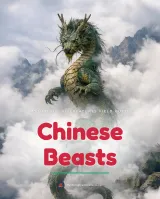
Yōkai, Greek, Norse, Egyptian & Chinese. Five illustrated field guides to the creatures the old stories either warned or told you about.
Curated by the Mythological Creatures Team
Series editor: Mythological Creatures Directory
Primary desk: Hellenic & Ancient Mediterranean Desk
(rev. November 2025)