
Zipacna: Zipacna is a formidable caiman demon in Maya mythology known for his massive size and violent, arrogant nature.
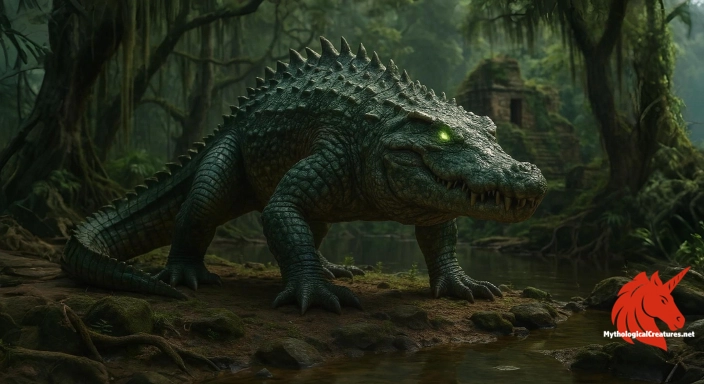
Zipacna
Zipacna - Represents the consequences of arrogance and the destructive power of unchecked pride in Maya mythology.
the legend in five swipes.
the legend in five swipes.
When did people first speak of Zipacna?
Zipacna emerges as one of the more enigmatic figures within Maya cosmology, embodying both awe-inspiring might and a cautionary tale of divine hubris. He is born from the notorious lineage of Vucub Caquix, the Seven Macaw, and Chimalmat, a pairing that infuses his character with a sense of both nobility and impending doom. His earliest attestations are intertwined with the narratives recorded in the Popol Vuh, where the interplay of mortal ambition and supernatural retribution takes centre stage. The myth surrounding him captures not only his pride and violent tendencies but also his extraordinary claims, such as the boastful creation of mountains. Rooted in a rich cultural context, his story reflects the Maya’s profound respect for the forces of nature and their ambivalence towards unchecked power. Throughout centuries, his tale has been used to illustrate the delicate balance between human aspiration and cosmic order. The accounts of his exploits underline recurring themes of arrogance, defiance, and the inevitable consequences that follow. His layered narrative continues to inspire both solemn reflection and vibrant artistic expression in contemporary interpretations. The legacy of Zipacna endures as a symbol of nature’s formidable forces and the eternal struggle between creation and destruction.
Who wrote down the legend of Zipacna?
The primary records featuring Zipacna are found in the revered texts of Maya tradition, most notably within the Popol Vuh where his exploits are recounted with dramatic intensity. Oral histories passed down through generations have further enriched his character, ensuring that his legend remains alive in the communal memory. Spanish chroniclers, transcribing local lore during the early colonial period, also recorded variations of his narrative that emphasise his demonic attributes. Codices and ritual narratives compiled by indigenous scribes offer additional layers of detail, depicting him as both a terrifying and a cautionary figure. Local storytellers have preserved accounts that highlight his boastful nature and violent disposition, blending myth with moral lessons. Though these sources vary in detail, they consistently portray Zipacna as a being whose power challenges the natural order. The synthesis of these texts and traditions has provided modern scholars with a multifaceted view of his role in Maya mythology. This blend of literary, oral, and pictorial evidence underscores the enduring influence of his myth on cultural identity. His legend, therefore, stands as a vibrant testament to the ways in which ancient narratives continue to evolve and inspire.
Zipacna: Form, Powers and Weaknesses
Detailed portrayals of Zipacna unveil a creature of immense proportions, often likened to a colossal caiman whose form merges both animalistic and supernatural elements. His body is depicted with a robust, muscular build covered in rugged, scale-like skin that exudes an aura of primal strength. Vivid illustrations frequently capture his elongated limbs and powerful tail, underscoring his ability to traverse both land and water with formidable ease. His eyes are often rendered as intense and penetrating, hinting at a cunning intelligence that belies his brute strength. The artist’s imagination has been set aflame by his towering presence, with some depictions emphasising exaggerated reptilian features and monstrous claws. Intricate details, such as naturalistic textures and ornamental patterns, mirror the rugged landscapes from which his myth originates. Variants in his imagery reveal subtle differences in size and shape, suggesting that his form could adapt to different narrative contexts. Every aspect of his physical description, from the contours of his silhouette to the glint in his eyes, serves as a metaphor for the chaotic force of nature he represents. His physical manifestation not only inspires terror but also reverence as a symbol of the ancient world’s raw, unbridled power.
Zipacna Across Different Regions
The portrayal of Zipacna exhibits notable variations across different Maya regions, reflecting the diverse cultural landscapes within Mesoamerica. In some highland traditions, he is recast as a more ambiguous figure—a blend of fearsome demon and a tragic antihero whose might is both revered and reviled. Coastal and lowland communities introduce additional layers, sometimes associating him with watery domains and the liminal spaces between land and river. Local myths have adapted his narrative to mirror the environmental peculiarities of each region, whether emphasising mountainous terrains or swampy wetlands. These regional adaptations introduce unique embellishments, such as supplementary supernatural traits or altered accounts of his deeds, which distinguish local renditions from the more canonical texts. Many of these adaptations serve a didactic function, warning against the perils of arrogance and the disturbance of natural harmony. Despite these differences, a unifying theme of overwhelming pride and unyielding power recurs in every version of his tale. Such regional reinterpretations not only enrich the overall mythos but also illustrate how communities use shared legends to articulate their own cultural experiences. The regional diversity in Zipacna’s portrayal stands as a vivid reminder of the dynamic nature of myth and tradition.
Is Zipacna unique, or found elsewhere?
The myth of Zipacna invites comparisons with a host of similar figures found across diverse cultural landscapes, all embodying themes of hubris and the overwhelming power of nature. His grandiose persona and defiance of cosmic limits share striking similarities with the monstrous beings of classical mythology, such as the Greek Typhon, who likewise stirred chaos among divine forces. Like the Leviathan of ancient Near Eastern lore, Zipacna stands as an emblem of nature's raw, ungovernable energy—a force that can both create and destroy. These cross-cultural parallels extend to figures in indigenous traditions where massive, often amphibious creatures symbolize the tumult of natural elements. His narrative echoes the universal archetype of the rebel who challenges cosmic order, a recurring motif in mythic storytelling from various parts of the world. Comparative mythological analysis reveals that many cultures have harnessed the image of a mighty creature to symbolise the tension between human ambition and the immutable forces of nature. Such analogies underscore a shared human experience and a collective understanding of natural phenomena that defy simple explanation. By drawing together these diverse cultural narratives, Zipacna is positioned within a broader dialogue on the role and symbolism of monstrous beings. His myth, thus, acts as a bridge connecting Maya cosmology with the grand tapestry of global mythologies.
Where do you see Zipacna today?
Over the centuries, the portrayal of Zipacna has undergone significant transformation, reflecting shifts in cultural values, artistic expression, and societal concerns. His ancient image as a proud and violent demonic figure has gradually been reinterpreted, evolving from a mythic embodiment of natural chaos into a symbol whose relevance extends into modern ecological and social discourses. In contemporary art and literature, Zipacna is frequently invoked as a metaphor for the catastrophic consequences of environmental exploitation and rampant human arrogance. Modern reinterpretations often cast him in a dual light, serving both as a cautionary figure and as a reminder of the timeless interplay between creation and destruction. His motif has been revisited by indigenous scholars and cultural revivalists seeking to reclaim and reinterpret Maya heritage in the context of modern challenges. The evolution of his image highlights a dynamic dialogue between tradition and innovation, where ancient myths are constantly reimagined to speak to current realities. Contemporary media, including graphic novels and experimental installations, have embraced the myth of Zipacna, thereby ensuring its enduring presence in popular culture. This sustained interest not only reflects the rich symbolic reservoir of his legend but also underscores the powerful resonance of ancient myth in illuminating modern human experiences. Through these varied reinterpretations, Zipacna continues to captivate imaginations and provoke discussions about the profound connections between myth, nature, and society.
Interesting Fact
An intriguing aspect of Zipacna is his boast about creating mountains, a hyperbolic declaration that underscores the Maya emphasis on the balance of power and the inevitable downfall that accompanies unchecked arrogance.
Mythological Treasures
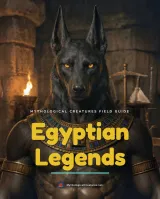
Egyptian Legends: A field guide to the gods and monsters of ancient Egypt
Guardians of the living and devourers of the dead, with the role each played in judgement.
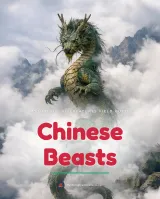
Chinese Beasts: A field guide to the dragons and demon kings of Chinese myth
From river dragons to demon kings, with the legends that shaped five thousand years of storytelling.
Japanese Yōkai: A field guide to the spirits and demons of Japanese folklore
Fifteen spirits, with the signs to watch for and what the old tales say to do if you meet one.
the legend in five swipes.
Limited sponsor opportunity
One slot, carefully chosen partners
We only feature a small number of relevant sponsors at any time. If you create serious myth content, we would like to hear from you.
Partner with usQuick Creature Info
Origin:
Associations:
Our Mythic Legendary Rating:

Habitat:
Supernatural Powers:
Physical Attributes:
Abilities:
Behavior:
Weaknesses:
Lore:
Related Creatures, Tales or Lore
- CCabrakan
- TTlaltecuhtli
- LLeviathan
References
Discover Another Mythical Legend You May Not Have Heard Of?
Uncover the mysteries of ancient folklore and expand your knowledge of legendary beings from cultures around the world.
Dare to Meet the Druon Antigoon....
The Mythological Creatures Book Series
Yōkai, Greek, Norse, Egyptian & Chinese. Five illustrated field guides to the creatures the old stories either warned or told you about.

Curated by the Mythological Creatures Team
Series editor: Mythological Creatures Directory
Primary desk: Americas & Indigenous Traditions Desk
(rev. November 2025)