
Aiy: Aiy are benevolent spirits in Yakut mythology known as the creators of the world and the fabulous land of the Yakut Olonkhos.

Aiy
Aiy - Revered as the creators of the world and as symbols of purity and benevolence in Yakut culture
Origins & First Encounters
The Aiy emerge in Yakut mythology as benevolent spirits who are revered as the creators of both the world and the fabled land of the Yakut Olonkhos. Their origins are entwined with ancient oral traditions and communal memories that have been passed down through countless generations of the Sakha people. Hailing from the Upper World, these divine entities are believed to inhabit a celestial realm where the forces of creation and renewal eternally converge. The legends surrounding the Aiy are intricately connected to the Yakut understanding of nature, the cosmos, and the cyclical rhythms of life. A pivotal figure among them is Urung Ai Toyon, celebrated as the supreme creator who set the cosmic order into motion. Early attestations of their myth can be traced to venerable epics and ritual practices that underscore their role in the world’s genesis. Their narrative is marked by a gentle power, emphasising creative benevolence rather than destructive force. Unique among deities, the Aiy demand offerings of vegetable and dairy products, symbolising purity and non-violence in contrast to the blood sacrifices found in other cultures. Their presence is deeply woven into the fabric of communal celebrations, particularly during the Ysyakh, where their symbols are indispensable. In sum, the Aiy encapsulate the harmonious blend of cultural identity, natural wonder, and spiritual innovation that defines Yakut cosmology.
Source Texts & Tale Variants
The stories of the Aiy have been lovingly preserved through a rich tradition of oral narration and folk literature among the Sakha people. Ancient epics, notably the Yakut Olonkhos, have played a crucial role in sustaining the legends of these divine spirits. Traces of their myth can also be found in regional manuscripts and fleeting inscriptions that hint at a venerable past. Over time, multiple narrative strands have emerged, each adding layers of complexity and reverence to the tales of the Aiy. Diverse versions of the stories coexist, reflecting the multifaceted influences of neighbouring cultures and local traditions. In some recountings, the Aiy are portrayed as architects of cosmic harmony, while in others they serve as intimate guardians of nature and community. The integration of these narratives into seasonal celebrations, such as the spring Ysyakh festival, has further enriched their legacy. Folk performances and ritual re-enactments often breathe new life into the old tales, keeping their spirit alive in modern settings. This dynamic interplay between tradition and performance highlights how the myth of the Aiy adapts over time. The enduring popularity of these narratives testifies to their profound role in articulating the values and aesthetics of Yakut society.
Form & Powers
The Aiy are seldom depicted in strictly human terms, instead emerging as luminous, ethereal presences whose forms seem to be sculpted from the very light of the Upper World. Their outlines and contours shift subtly, evoking the delicate boundary between the tangible and the mystical. Traditional artistic renditions often illustrate them with an inherent radiance, adorned with intricate motifs that echo the natural patterns of the Sakha landscape. They are sometimes imagined as figures cloaked in soft, shimmering light that symbolises their benevolence and creative power. In many depictions, the Aiy possess graceful and elongated features, hinting at both wisdom and an otherworldly serenity. Some interpretations portray them with delicate facial expressions and fluid gestures that suggest an eternal calm. Elements from nature, such as floral patterns and celestial symbols like stars and crescents, are frequently incorporated into their visual representation. The ambiguity of their form allows them to be seen as both human and animal, linking them intrinsically to the world they helped create. Their appearance is not fixed but evolves with every retelling, allowing for a variety of interpretations that celebrate beauty and mystery. Ultimately, the visual portrayal of the Aiy remains as much a metaphor for divine creation as it is a depiction of physical form.
Regional Faces
The concept of the Aiy has evolved distinctively across various regions within Yakutia and neighbouring parts of Siberia. In some local traditions, these benevolent spirits are closely linked with the fertility of the land and the cyclical renewal of nature. Different communities have adapted the myth by incorporating regional symbols, where the Aiy might be revered as guardians of the forests, rivers, and vast tundra landscapes. In parts of Yakutia, the portrayal of the Aiy is subtly influenced by local environmental features such as the icy expanses and the ever-changing polar skies. Such regional adaptations have led to colourful festivals and rituals that honour the spirits in ways that reflect local customs. For instance, variations of offerings made during the spring Ysyakh festival highlight a particular emphasis on natural bounty in certain villages. Local storytellers often infuse the legend with the unique characteristics of their natural surroundings, blending the divine with the everyday landscape. The regional diversity in the myth underscores the deep connection between the community and the environment. Each variation serves as a reminder that while the essence of the Aiy remains constant, its expression can differ widely across the varied terrains of the region. This multiplicity in form and ritual reflects a broader dialogue between tradition and place, enriching the overall tapestry of the myth.
Cultural Parallels
The Aiy share fascinating parallels with benevolent creator figures found in other mythological traditions around the globe. Their role in crafting the world resonates with similar deities who embody the principles of creation and renewal, emphasising harmony over conflict. Like certain figures in Norse, Celtic, and indigenous Siberian mythologies, the Aiy illustrate a belief in a creative force that operates through natural cycles and gentle benevolence. Their acceptance of offerings made from vegetable and dairy products, rather than blood sacrifices, marks a distinctive divergence from many ancient religious rites. This practice reflects a universal ideal that true divinity can be honoured with symbols of purity and sustenance. In several shamanic traditions of Central Asia, spiritual intermediaries share the ephemeral and luminescent qualities that define the Aiy. The symbolic representation of the Aiy often invites cross-cultural comparisons to spirit beings who mediate between the celestial and the terrestrial. Such comparisons highlight that despite geographical distances, many cultures sustain a common reverence for non-violent, life-affirming spirituality. The myth of the Aiy thus forms part of a global dialogue exploring themes of creation, sacrifice, and respect for nature. Ultimately, a comparative study of these figures underscores a shared human desire to connect with the mystical forces that shape our existence.
Legacy & Modern Evolution
The image of the Aiy has experienced a remarkable evolution from its ancient oral origins to its vibrant role in modern cultural expressions. Traditional Yakut society wove the myth of the Aiy deeply into its social and spiritual fabric, celebrating their presence through communal rituals and seasonal festivals. Historical changes, including the pressures of the modern era, have not diminished the significance of these benevolent spirits; rather, they have inspired renewed interpretations and artistic reinventions. During periods of cultural suppression, such as the Soviet era, the resilience of the Aiy myth helped preserve a sense of identity and continuity among the Sakha people. In contemporary times, the symbolism of the Aiy is celebrated in dynamic festivals like the Ysyakh, where government and community efforts ensure that these traditions endure. Modern artists, writers, and performers continue to explore the legend, blending traditional iconography with innovative expressions to keep the myth vibrant. The evolving narrative of the Aiy reflects both a respect for ancient customs and a willingness to adapt to the contemporary cultural landscape. Today, they are not merely relics of the past but living symbols of creative power and communal harmony. Government initiatives that regulate the use of Aiy symbols in official celebrations further underline their enduring importance. In essence, the historical evolution and modern legacy of the Aiy serve as a bridge between time-honoured tradition and current cultural expression, encapsulating the spirit of the Yakut people.
Interesting Fact
A unique aspect of the Aiy is their strict rejection of blood sacrifices, which sets them apart from many other deities and emphasises a ritual purity that relies solely on vegetable and dairy offerings.
Advertising opportunity
Showcase your mythology project
We offer limited sponsor placements for books, courses, games, and creators aligned with our audience.
View partnership optionsQuick Creature Info
Origin:
Associations:
Our Mythic Legendary Rating:

Also Sometimes Known As:
Habitat:
Supernatural Powers:
Abilities:
Behavior:
Lore:
Related Creatures, Tales or Lore
- KKami
- DDevas
- AAngels
References
Discover Another Mythical Legend You May Not Have Heard Of?
Uncover the mysteries of ancient folklore and expand your knowledge of legendary beings from cultures around the world.
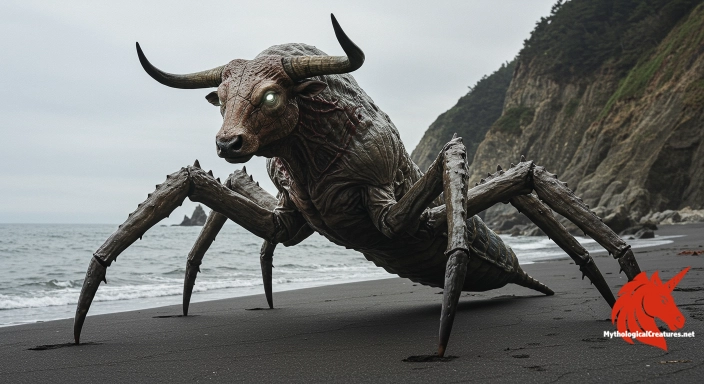
Dare to Meet the Ushi-oni....
Curated by the Mythological Creatures Team
Series editor: Mythological Creatures Directory
Primary desk: Asian & Pacific Myth Cycles Desk
(rev. November 2025)