
Amarum: Amarum is a Quechua mythological spirit depicted as a water boa.

Amarum
Amarum - Amarum is revered for its role in bringing rain, vital for agricultural success and natural fertility.
the legend in five swipes.
the legend in five swipes.
The Origin Story of Amarum
Amarum is a mystical spirit whose legend is deeply interwoven with the traditions of the Quechua people of Ecuador. It is envisioned as a majestic water boa celebrated for its power to summon rain and restore the fertility of the highland fields. Rooted in ancient oral narratives, the tale of Amarum reflects a profound connection between nature and the cultural practices of agrarian communities. Early accounts suggest that this serpentine being was revered during periods of drought, serving as a divine intermediary between the heavens and the earth. The enduring myth has been transmitted through generations, its memory preserved in ritual chants, ceremonial dances, and intricate textile patterns. Local communities have long regarded Amarum as a guardian of the water cycle, an emblem of renewal and hope in a challenging environment. Over time, the spirit’s imagery has merged with the practical needs of agrarian life, symbolising both protection and the promise of a bountiful harvest. The legend of Amarum continues to inspire cultural expression and environmental reverence even today, forming an integral part of Quechua identity and its celebration of nature's vital forces.
Amarum: How the Tale Was Told and Retold
The earliest evidence of Amarum arises from the rich oral traditions of the Quechua people, where the water boa is portrayed in a tapestry of legends and ritualistic narratives. Early generations recounted stories of the creature’s miraculous arrival during times of severe drought, marking its importance as a harbinger of life-sustaining rain. These oral accounts were later intermittently recorded in colonial-era chronicles and later anthropological studies, which noted the consistent reverence for a rain-bringing serpent. Variants of Amarum’s tale emerge from different villages, each adding unique details while preserving the core theme of water and renewal. In some versions, the spirit is not only a bringer of rain but also a guardian of the sacred rivers and mountain streams. Traditional songs, ceremonial recitations, and dance rituals continue to pass down these diverse narratives, ensuring that the myth remains vibrant in collective memory. Modern ethnographic research has started to compile these variants, highlighting both the similarities and rich regional differences in portrayal. Together, these sources create a multi-faceted record of Amarum’s enduring influence in Quechua mythology.
What was Amarum believed to be capable of?
Amarum is traditionally depicted as a sinuous water boa whose form encapsulates the fluidity and dynamism of rain itself. Its body is adorned with scales that shimmer in a cascade of hues, ranging from deep blues reminiscent of stormy skies to vibrant greens that echo lush vegetation. The creature’s elongated head is marked by luminous eyes, conveying a mysterious quality as if reflecting hidden aquatic depths. Artists often render its scales with intricate patterns, evocative of rippling water and shifting clouds. The boa’s overall anatomy is graceful yet powerful, with a form that appears to flow as effortlessly as a meandering river. Variations in artistic depictions highlight subtle differences in stripe patterns and scale textures, suggesting a spectrum of interpretations linked to local natural phenomena. Some portrayals even endow the creature with an almost bioluminescent glow, enhancing its otherworldly presence during nocturnal ceremonies. The depiction of Amarum stresses both its elegance and its formidable connection to the raw forces of water, underlining themes of transformation and renewal. Its sinuous curves and reflective eyes stand as a visual metaphor for the perpetual cycle of drought and rainfall in the highlands. Such detailed physical portrayals reinforce the creature’s status as a powerful symbol of life and regeneration.
How does the Amarum legend change from place to place?
Although Amarum originates within the Quechua mythology of Ecuador, its story has been adapted and nuanced by various Andean communities with distinctive local flavours. In some regions, the water boa is portrayed with additional attributes that emphasise its role as a protector of mountain streams and agricultural lands. Variations abound, with certain villages depicting Amarum as a shape-shifting entity that can merge traits of both terrestrial snakes and aquatic life. Communities in the coastal highlands sometimes illustrate the creature with lighter, shimmering scales that mirror the reflective quality of nearby ocean tides. In contrast, inhabitants of arid valleys offer more robust portrayals, underscoring the spirit’s power to summon life-giving rains amidst drought. These regional adaptations are often reflected in local festivals, where dances and rituals pay homage to the spirit using unique symbolism and traditional iconography. Local artisans might incorporate distinct patterns or colours into depictions of Amarum, thereby linking the creature to specific environmental and cultural narratives. The evolving nature of its depiction across regions illustrates the flexibility of myth, allowing each community to interpret the spirit’s symbolism in a way that resonates with their unique ecological and cultural context. Such regional diversity enriches the overall mythos, demonstrating how a single mythic figure can embody varied meanings across different landscapes.
Amarum: Related Figures Across Cultures
The mystique of Amarum finds intriguing parallels in mythologies around the world, where serpentine figures are often associated with the life-giving properties of water. Comparable to the rainbow serpent revered in Aboriginal Australian lore, Amarum exemplifies how water serpents can represent both creation and the cyclical nature of life. Similar narratives appear in Native American traditions as well, where water spirits are invoked to bring rain and ensure agricultural bounty. Across various cultures, these serpentine beings act as intermediaries between the natural and supernatural realms, much like Amarum does within Quechua cosmology. In South Asian and Southeast Asian myths, serpents are frequently linked with rain and fertility, underscoring a shared symbolic language about water’s importance for life. This cross-cultural resonance highlights a universal human need to personify and venerate the forces that govern weather and sustenance. The recurring imagery of a water-bringing serpent demonstrates the interconnectedness of myth and nature in disparate cultures. Comparative analyses reveal that while the details may differ, the essential traits of these beings—grace, power, and regenerative potential—are strikingly similar. In weaving these parallels, Amarum emerges as part of a broader tapestry of myth that spans continents and traditions. This synthesis of ideas strengthens both the local reverence for Amarum and a global understanding of water’s vital, transformative force.
Amarum in Modern Culture
Over the centuries, the legend of Amarum has evolved from a primarily spiritual myth into a vibrant symbol of ecological balance and cultural resilience. Traditionally confined to ritual narratives and indigenous ceremonies, the water boa has re-emerged in modern times as an emblem of nature’s renewal and the need for environmental stewardship. As global concerns regarding climate change and water scarcity have intensified, contemporary interpretations of Amarum have begun to reflect these challenges, linking ancient myth with current ecological debates. Modern artists and cultural activists incorporate the imagery of Amarum into murals, digital installations, and public festivals, thereby bridging gap between ancestral wisdom and modern expression. This evolution highlights how the myth has maintained its relevance by adapting to shifting cultural contexts and environmental imperatives. The creature’s enduring legacy is evident in renewed community rituals, which now celebrate both its rain-bringing powers and its symbolic representation of sustainability. By revitalising Amarum’s portrayal, indigenous communities reconnect with their past while also addressing contemporary issues through creative reinterpretation. In today’s cultural landscape, Amarum serves as a reminder of the deep interdependence between human societies and the natural world. Its myth remains a powerful narrative tool, inspiring dialogue about heritage, environmental conservation, and the timeless cycles of renewal. Thus, Amarum continues to flourish as a cultural icon, embodying the resilience and adaptability of both nature and tradition.
Interesting Fact
Amarum’s depiction as a water boa highlights the unique way in which indigenous Andean cultures interpret natural phenomena, merging the physical form of a serpent with the ethereal power of rain.
Mythological Treasures
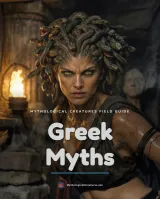
Greek Myths: A field guide to the monsters of ancient Greece
Every monster here earned its place in legend, and each gets a full page of artwork and the story behind it.
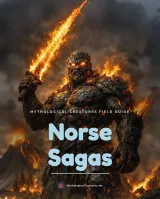
Norse Sagas: A field guide to the beasts of the Viking world
Drawn from the saga accounts themselves, with the powers, weaknesses and doom of each being set out.
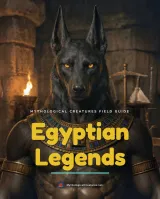
Egyptian Legends: A field guide to the gods and monsters of ancient Egypt
Guardians of the living and devourers of the dead, with the role each played in judgement.
the legend in five swipes.
For myth educators and toolmakers
Built a resource for mythology learners?
If you offer courses, teaching tools, or research platforms focused on myth and folklore, consider a discrete placement on our reference pages.
Introduce your resourceQuick Creature Info
Origin:
Features:
Associations:
Our Mythic Legendary Rating:

Habitat:
Supernatural Powers:
Physical Attributes:
Abilities:
Behavior:
Lore:
References
Discover Another Mythical Legend You May Not Have Heard Of?
Uncover the mysteries of ancient folklore and expand your knowledge of legendary beings from cultures around the world.
Dare to Meet the Basan....
-53a21d3b-088f-4e70-9c57-edc7499b8d7b_small.webp "Depiction of Basan")
The Mythological Creatures Book Series
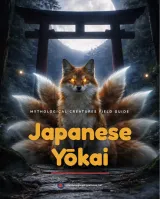
Yokai, Greek, Norse, Egyptian & Chinese. Five illustrated field guides to the creatures the old stories either warned or told you about.
Curated by the Mythological Creatures Team
Series editor: Mythological Creatures Directory
Primary desk: Americas & Indigenous Traditions Desk
(rev. November 2025)