
Anchanchu: Anchanchu is a fearsome demon from Aymara mythology known for haunting dark, isolated locales and manifesting as both a red dog and a bald, pudgy older man.
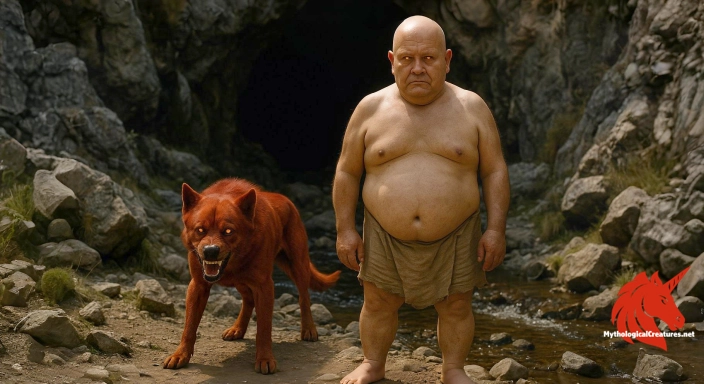
Anchanchu
Anchanchu - Anchanchu embodies the perilous interplay between nature’s hidden mineral wealth and the supernatural, serving as both a warning and a guardian in Andean cultural traditions.
Origins & First Encounters
Anchanchu emerges from the rich tapestry of Aymara mythology as a formidable and enigmatic figure whose very presence haunts the hidden recesses of caves, rivers, and desolate places. His legendary persona has been woven into the cultural fabric of the Andean highlands, appearing in stories that have been transmitted orally through countless generations. He is often portrayed as a terrible demon, yet his role extends beyond fear, as he stands as a spiritual gatekeeper to the earth’s hidden treasures. His origins seem to be ancient, with early attestation found in the local customs of indigenous communities who revered the mystical forces of nature. The creature is interlaced with the domain of mineral wealth, symbolising both the dangers and the allure of uncharted riches buried beneath the soil. Unlike many mythic entities that are solely malevolent, Anchanchu also encompasses aspects of protection and authority over natural resources. His dual nature as both a fearsome spirit and a custodian of subterranean wealth provides a complex insight into the Andean worldview. Over time, this multifaceted character has spurred diverse interpretations that reveal the intricate connections between nature, the supernatural, and human endeavour.
Source Texts & Tale Variants
The stories of Anchanchu have been preserved primarily through the oral traditions of the Aymara people, resonating in the practices and rituals of the highland communities. Local legend often recounts his activities in remote areas, with tales passed down from elders who blend myth and cautionary advice. Early narrative versions note his spectral appearance between one and three in the morning, a time that heightens his otherworldly presence. Some accounts describe him as a red dog roaming in the twilight hours, an image that has captured the imagination of many. Alternate variants detail his human form as a pudgy, bald older man, revealing the creature’s capacity for shape-shifting. The connection of Anchanchu to the Uru god Tiw is echoed in several folk narratives, linking varied cultural traditions within the region. There exists also a ceremonial aspect to his myth, most notably through references to the Dance of the Horns, a ritual that must be successfully negotiated in order to access hidden minerals. Thus, despite the fragmentary nature of these sources, they collectively underscore a complex tapestry of beliefs that has nurtured his legend over time.
Form & Powers
In many depictions, Anchanchu’s physical presence is both startling and ambiguous, characterised by a striking red canine form that glows in the dim light of pre-dawn hours. This fearsome red dog, with its intense, almost supernatural aura, prowls the lonely landscapes with an air of menace and mystery. Yet, in other portrayals, the demon assumes a bipedal human guise, described as a pudgy, bald, older man who exudes a deeply unsettling presence. The human aspect of his form features weathered skin and piercing eyes that seem to reflect the depths of ancient wisdom and cruelty. His dual appearance blurs the line between animalistic ferocity and human cunning, inviting both dread and complex sympathy. Some accounts detail subtle features such as a reddened complexion that hints at the molten energies of the earth beneath him. The physical contradictions in his portrayal contribute to a rich mythic ambiguity, challenging observers to decipher which aspect of his being holds sway in any given encounter. Overall, Anchanchu’s dynamic and variable form reinforces his role as a liminal figure straddling the boundaries between the natural and the supernatural realms.
Regional Faces
The myth of Anchanchu is not confined to a single interpretation, as distinct regions within the Andean highlands offer their own nuanced versions of his character. In the Huancané region, local cautionary tales advise against night-time journeys, particularly after midnight, where his appearance is most vividly reported. Other communities emphasise his role as a guardian of mineral wealth, celebrating rituals that symbolise both reverence and fear towards the natural resources he controls. In certain locales, his presence is interlinked with that of neighbouring deities like Tiw, lending a broader divine context to his fearsome reputation. Variations in his depiction as either a red dog or an old man further illustrate regional differences in artistic and spiritual representation. Some communities even incorporate elements of fertility and rebirth with his association to the earth’s hidden riches, contrasting with his otherwise ominous demeanour. The regional adaptations of his legend encourage a dialogue between the fear of the unknown and the respect for natural bounty. Across these varied geographical narratives, Anchanchu continues to embody the complex interplay between desire and dread that resonates throughout Andean culture.
Cultural Parallels
Anchanchu’s multifaceted characteristics invite comparisons with similar mythological beings found in other cultures around the world. His role as a gatekeeper to precious resources is reminiscent of guardians in European folklore who protect hidden treasures or ancient secrets. Much like other shapeshifters of myth, he blurs categorical boundaries by existing simultaneously as an animal and a human spirit, echoing the elusive qualities of the werewolf or the trickster figures in various traditions. The red canine aspect of his appearance draws parallels with other red-hued animal symbols that are often associated with both power and danger in global mythologies. His dual nature as both protector and punisher is a motif also observed in the guardian deities of Asian and African folklore, highlighting a universal theme of balance between reward and retribution. The synthesis of human and bestial traits in his depictions creates cognitive dissonance similar to that experienced in encounters with liminal entities across diverse cultures. As such, Anchanchu serves as a bridge connecting the unique spiritual beliefs of the Aymara to broader global narratives of myth and mystery. These cultural parallels enrich our understanding of his character by placing his legend within a wider framework of symbolic guardianship and shape-shifting traditions.
Legacy & Modern Evolution
Over centuries, the myth of Anchanchu has evolved from a strictly cautionary tale into a symbol reflecting the enduring relationship between indigenous beliefs and the natural world. Modern reinterpretations have embraced his complex duality, portraying him as an emblem of both nature’s latent dangers and its bountiful gifts. Contemporary artists and writers draw inspiration from his eerie presence, infusing new layers of symbolism into his character while preserving the core elements of his ancient lore. His association with the extraction of precious minerals has taken on modern relevance, mirroring current debates about environmental stewardship and resource exploitation. Festivals and cultural performances occasionally incorporate elements of his myth, reimagining the traditional Dance of the Horns in new creative expressions. As academic interest in indigenous mythologies has grown, Anchanchu’s narrative has been revisited and recontextualised within the framework of global myth studies. The evolution of his depictions—from oral traditions to modern digital media—demonstrates a dynamic continuum of cultural exchange and reinterpretation. Today, Anchanchu remains an enduring and compelling figure, symbolising a bridge between the ancestral world and contemporary cultural identity.
Interesting Fact
Anchanchu’s capacity to alternate between a fierce red dog and a seemingly benign elderly man exemplifies the complex duality found in Andean folklore, where a being can simultaneously invoke terror and command respect as the guardian of earthly treasures.
For serious mythcraft
Your project belongs among the legends
If your work deepens how people understand, play with, or teach mythology, a sponsor placement here keeps it in front of the right readers all year.
Submit a sponsorship enquiryQuick Creature Info
Origin:
Features:
Associations:
Our Mythic Legendary Rating:

Also Sometimes Known As:
Habitat:
Supernatural Powers:
Physical Attributes:
Abilities:
Behavior:
Lore:
Related Creatures, Tales or Lore
References
Discover Another Mythical Legend You May Not Have Heard Of?
Uncover the mysteries of ancient folklore and expand your knowledge of legendary beings from cultures around the world.
Dare to Meet the Yel iyesi....
Curated by the Mythological Creatures Team
Series editor: Mythological Creatures Directory
Primary desk: Americas & Indigenous Traditions Desk
(rev. November 2025)