
Archdemon: The Archdemon is a formidable spiritual entity and leader within the infernal hierarchy.
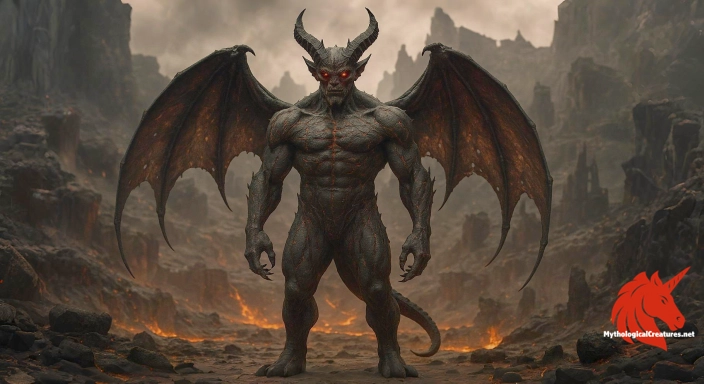
Archdemon
Archdemon - Embodies the ultimate evil and serves as the principal antagonist in demonic lore, opposing divine forces such as archangels.
the legend in five swipes.
the legend in five swipes.
When was the Archdemon first written about?
The archdemon stands as a central figure within occult hierarchies, representing a potent inversion of divine order. Emerging from a blend of early spiritual discourses and medieval demonological thought, these beings were conceived to challenge the celestial authority of the archangels. Their designation—with variants such as archdaemon, archdevil, or archfiend—signals a status that is both elevated and fearsome among demonic entities. Historical accounts suggest that archdemons were initially conceptualised as the ultimate adversaries in cosmic battles, embodying the very essence of corruption and rebellion. Over time, their narratives have been woven into a tapestry of myth and superstition that crosses cultural and religious frontiers. The annals of occult literature depict them as wielders of malevolent power, whose presence marks the eternal conflict between light and darkness. Frequently, these entities are portrayed with a regal yet twisted aura, a symbol of fallen grace and defiant authority. Their lasting cultural impact is evident in art, literature, and modern occult practices, where they continue to evoke both terror and fascination. In this way, the archdemon remains an enduring emblem of the dark forces that challenge spiritual and moral order. Their mythic stature invites continual reinterpretation, ensuring that every generation finds new meaning in the eternal struggle between good and evil.
What are the earliest texts about the Archdemon?
Occult manuscripts and grimoires have long recorded the enigmatic nature of archdemons, presenting them as the masterminds of infernal legions. Numerous texts from the medieval period recount the stories of these entities, often imbuing them with a blend of regal authority and sinister purpose. Diverse spellings and appellations across ancient writings underscore the fluidity of their mythos, with each tradition contributing unique insights into their origin and role. Early demonological treatises often depict archdemons as once-noble spiritual beings whose fall from grace allowed them to assume leadership over chaotic forces. Esoteric literatures of the Renaissance further enriched their lore, linking them closely with the cosmic opposition to heavenly powers. Variations in narrative emerge from a rich corpus of occult texts spanning different eras, each emphasising aspects such as cunning, brutality, or an almost tragic sense of lost divinity. Some story variants detail elaborate hierarchies within the underworld, where archdemons are not solitary figures but part of a complex infernal bureaucracy. Regional manuscripts contribute additional layers to the narrative, attesting to a widespread fascination with these beings throughout history. The diversity of sources illustrates how archdemons have transcended simple definitions, evolving into symbols replete with spiritual and moral ambiguity. In essence, these varied accounts enrich our understanding of the archdemon as a multifaceted figure in the realm of the occult.
What abilities did the Archdemon have?
Visions of the archdemon frequently blend elements of both seductive allure and grotesque terror in a single, captivating image. Many depictions cast these beings with an imposing presence, marked by sharp, prominent horns and massive, shadowy wings that stretch impressively into the void. Facial features are often rendered with an otherworldly intensity, where eyes burn with an infernal glow that hints at hidden, malevolent intelligence. Their skin is described variably as a deep, smouldering red or a charred, ashen tone, evoking the imagery of embers in perpetual unrest. Some portrayals lend an eerie, almost regal elegance to their form, as if remnants of their once-angelic nature persist amid corruption. Elaborate details in artistic renderings—such as sinuous, serpentine tails or multiple, twisted limbs—underscore the chaotic craft behind their creation. Variations in size and stature are common, with some texts suggesting they tower over lesser demons while others depict them as more subtle and insidious in appearance. Attire and ornamentation, when included, often incorporates symbols of occult power and ancient malice, reinforcing their elevated status in the demonic hierarchy. Every brush stroke and descriptive phrase contributes to an image that is at once majestic and horrifying, emblematic of the duality inherent in their nature. These detailed physical portrayals serve not only as visual depictions but also as metaphors for the internal conflict between divine order and profound decadence.
Archdemon: Regional Differences in the Legend
Across the varied landscapes of global folklore, the figure of the archdemon has been adapted to reflect local mythologies and cultural fears. In Western occult traditions, archdemons are typically portrayed as the supreme antagonists within a well-ordered infernal hierarchy, their narratives interlaced with the symbolism of fallen celestial beings. Eastern interpretations often blend indigenous spiritual motifs with imported demonological ideas, resulting in portrayals that are both mysterious and aesthetically refined. In Eastern European folklore, stories of diabolic overlords resonate with a blend of superstition and historical context, hinting at moral lessons couched in supernatural drama. Mediterranean and Middle Eastern traditions sometimes repurpose the archetype, aligning these entities with age-old beliefs in cosmic fates and divine retribution. Local adaptations may highlight characteristics that best reflect the region’s collective psyche—be it a penchant for tragic beauty, labyrinthine deceit, or a raw, brutal power. These cultural renditions often reshape the archdemon into a figure who embodies both the chaos of nature and the intricacies of human vice. Differences in language, artistic style, and symbolic interpretation enable each community to see a reflection of its own paramount conflicts within the archdemon myth. The subtle regional shifts in the creature’s portrayal emphasise the universality of its mythos, even as local colour gives it a distinct flavour. Such widespread adaptations underscore an enduring fascination with the dynamics of dark power and its eternal opposition to the forces of light.
Archdemon: Parallels in Other Cultures
When set alongside similar infernal figures from various mythological traditions, the archdemon emerges as a distinct emblem of cosmic defiance. Much like fallen angels in Christian lore or rogue deities in ancient mythologies, they encapsulate the eternal struggle between order and chaos. Their role parallels that of titanic figures in other cultures—such as the rebellious elements seen in certain Eastern and Greco-Roman myths—that personify the darker aspects of cosmic balance. Universally, narratives across diverse traditions depict a leader among malevolent forces, whether termed as an archdevil, archfiend, or a nefarious guide of spiritual waywardness. This similarity in roles emphasizes the shared human preoccupation with a supreme adversary who challenges the divine. In comparing these mythologies, one finds that while details differ, the underlying themes of hubris, fall, and eternal rebellion persist. Such comparisons allow us to appreciate the archdemon not merely as an isolated figure, but as part of a broader spectrum of mythic antagonists. These cross-cultural reflections highlight a collective meditation on the nature of evil and the consequences of unbridled ambition. The recurring motif of a powerful, dark leader illustrates the universal tension between celestial goodness and material corruption. In every cultural reinterpretation, the archdemon retains a magnetic allure, drawing parallels that enrich our understanding of spiritual oppositions throughout human history.
Archdemon in Books, Film and Games
The depiction of archdemons has evolved considerably over the centuries, mirroring shifts in religious, philosophical, and artistic paradigms. Early texts cast these beings in stark moral contrasts, often portraying them as unequivocal symbols of evil firmly set against the divine order. As intellectual currents broadened during the Renaissance and Enlightenment, the archdemon began to acquire more nuanced layers, reflecting complex ideas about power, corruption, and the nature of sin. In modern popular culture, these figures are reimagined as multifaceted antagonists in literature, films, and digital media, where their ancient symbolism is interwoven with contemporary themes. Modern occult practices and artistic expressions often reinterpret archdemons as reflections of inner turmoil and the shadow aspects of the human psyche. Their visual iconography has been updated to resonate with present-day aesthetics, blurring the line between antiquity and modernity. This evolution is not merely a matter of style, but a dynamic reinvention of their role as cultural metaphors for the struggle between order and disintegration. The archdemon’s persistent relevance in a variety of media underscores the human need to explore the depths of evil within and around us. Such modern reinterpretations continue to provoke discussion around the nature of power, identity, and the ineffable boundaries between good and evil. Ultimately, the legacy of the archdemon serves as a potent reminder of the enduring dialogue between established tradition and the shifting landscape of contemporary thought.
Interesting Fact
The term 'Archdemon' is versatile, appearing in various forms such as archdaemon, archdevil, and archfiend, reflecting its deep-rooted impact on demonological lore and popular culture.
Mythological Treasures
Japanese Yokai: A field guide to the spirits and demons of Japanese folklore
Fifteen spirits, with the signs to watch for and what the old tales say to do if you meet one.
Greek Myths: A field guide to the monsters of ancient Greece
Every monster here earned its place in legend, and each gets a full page of artwork and the story behind it.
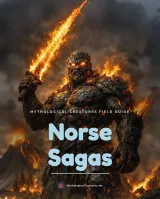
Norse Sagas: A field guide to the beasts of the Viking world
Drawn from the saga accounts themselves, with the powers, weaknesses and doom of each being set out.
the legend in five swipes.
For myth educators and toolmakers
Built a resource for mythology learners?
If you offer courses, teaching tools, or research platforms focused on myth and folklore, consider a discrete placement on our reference pages.
Introduce your resourceQuick Creature Info
Associations:
Our Mythic Legendary Rating:

Also Sometimes Known As:
Habitat:
Supernatural Powers:
Physical Attributes:
Abilities:
Behavior:
Weaknesses:
Lore:
Related Creatures, Tales or Lore
References
Discover Another Mythical Legend You May Not Have Heard Of?
Uncover the mysteries of ancient folklore and expand your knowledge of legendary beings from cultures around the world.
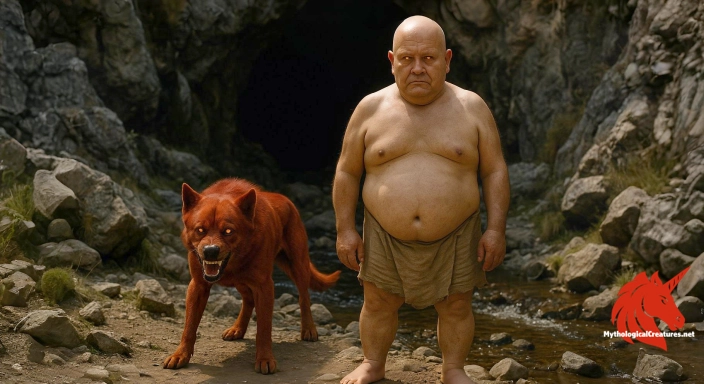
Dare to Meet the Anchanchu....
The Mythological Creatures Book Series
Yokai, Greek, Norse, Egyptian & Chinese. Five illustrated field guides to the creatures the old stories either warned or told you about.
Curated by the Mythological Creatures Team
Series editor: Mythological Creatures Directory
Primary desk: Hellenic & Ancient Mediterranean Desk
(rev. November 2025)