
Arzhang Div: Arzhang Div is a formidable demon chief from the Persian epic Shahnameh, renowned for his monstrous size and superhuman strength.
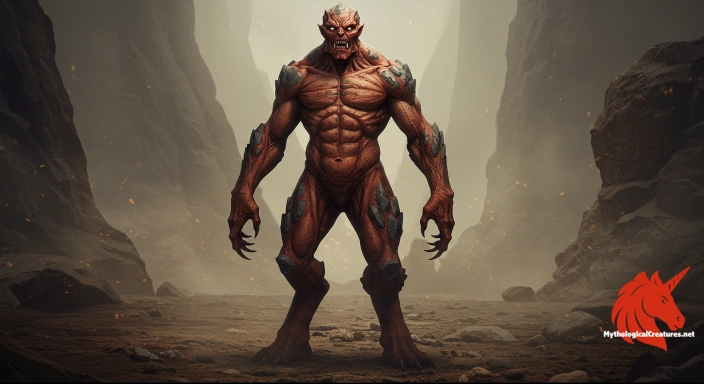
Arzhang Div
Arzhang Div - Arzhang Div is a pivotal figure in the epic tale of Rostam's Seven Labours, symbolizing the struggle between good and evil.
Origins & First Encounters
Arzhang Div emerges as a formidable figure within the rich tapestry of Persian epic tradition, embodying chaos and dark power with an aura of dread. His origins, rooted in the ancient narratives of the Shahnameh, mark him as one of the most fearsome demon chiefs associated with the wild lands of Mazandaran. His character first gained prominence within the recitations of heroic labours, setting him apart in a mythos where human valor meets supernatural adversaries. In the context of the epic’s cosmology, his presence symbolises the ever-present struggle between order and anarchy, a theme central to the narrative tradition. He is portrayed not merely as an obstacle for the hero Rostam, but also as an embodiment of the lurking threats that challenge the very fabric of civilisation. The legend surrounding Arzhang Div reflects ancient perceptions of the unknown and the dangerous, often serving as an allegory for internal and external conflicts. His depiction in the Shahnameh underscores cultural values that place heroism against overwhelming odds, where every encounter with evil refines the essence of the hero. Over time, his myth has become a cultural touchstone, inspiring later generations to explore themes of tyranny, resistance, and the duality inherent in the struggle between light and dark.
The character’s narrative acts as a mirror to the complex relationship between human endeavours and the capricious forces of a mystical world, inviting listeners and readers alike to reflect on the nature of power and corruption. In this way, Arzhang Div is not only a mythological enemy but a symbol whose roots reach deep into the cultural and spiritual consciousness of ancient Persia.
Source Texts & Tale Variants
The earliest and most influential account of Arzhang Div is found within the passages of the Shahnameh, where his role is intricately tied to the legendary exploits of Rostam. His depiction was subsequently enriched in the Shah Tahmasp version, a refined manuscript that further cemented his place in Persian lore. While the epic stands as the cornerstone for his myth, medieval manuscript traditions and courtly retellings have occasionally offered additional details to his character. Multiple texts across varied periods have provided subtle variations in his narrative, with some focusing more on his supernatural attributes while others accentuate the hero’s triumph over his might. In some retellings, the demon chief’s background is expanded to include hints of previous grandeur, suggesting a tragic fall from a higher order. Oral traditions and regional folktales across Persia have also adopted his image, contributing local flourishes to his story that sometimes diverge from the written tradition. The diverse range of these sources illustrates how his character evolved by integrating layers of cultural belief and regional storytelling techniques. Over time, these story variants have collectively enriched his portrayal, ensuring that each generation finds a unique resonance in his fabled confrontation with good.
This multiplicity of narratives underlines the fluid nature of myth-making, where the interplay between text and oral recital can lead to a legacy that is both diverse and enduring.
Form & Powers
Arzhang Div is often envisioned as a towering, monstrous presence whose very form exudes an otherworldly malevolence. His physicality is typically enhanced by features that are both erect and contorted, blending the human form with demonic exaggeration. Artists have depicted him with rugged, scaled skin and pronounced protrusions, suggesting armor-like natural defences that enhance his fearsome reputation. His eyes are frequently illustrated as burning with an unholy flame, a detail that symbolises his inner fury and supernatural insight. The creature’s form is further accentuated by the presence of horns and elongated limbs ending in claw-like appendages, which contribute to his overall intimidating silhouette. There is a recurring motif of a wild, untamed mane or tangle of hair that emphasises his connection to the feral aspects of nature. In some portrayals, his stature appears almost titanic, with a physique that combines brute strength and a subtle, eerie grace. Variability in artistic interpretation has also allowed for nuances such as ragged garments or rusted adornments that signal his high status among demonic beings.
This rich physical description not only underlines his role as an antagonist in epic battles but also reinforces the symbolic divide between the structured world of heroes and the chaotic wilderness that he represents.
Regional Faces
Local traditions and regional interpretations have given Arzhang Div a spectrum of identities that vary from the canonical texts. In the remote areas of Mazandaran, where the landscape itself inspires awe and fear, his role as a guardian of the untamed frontier has been emphasised in local lore. Some communities have infused his character with an almost tragic nobility, portraying him as a once-great entity whose fall from grace reflects deeper cultural anxieties. Throughout different parts of Persia, his image has been adapted to resonate with local environmental features, where rugged mountains and dense forests echo the wildness of his character. Variations in his depiction also emerge from the blending of indigenous spiritual beliefs with the epic narrative, resulting in hybrid representations that merge folklore with literary myth. Local storytellers often highlight the demon chief’s cunning and territorial instinct, reinterpreting his battles with heroes as metaphors for the struggle against natural and social disorder. In certain regions, festive performances and dramatic retellings have elevated his story into a cautionary myth about pride and the corruptive nature of power. This regional adaptation underscores not merely the relatability of his legend, but also its capacity to morph in response to the cultural and environmental contexts of its audience.
Such regional variations attest to the creature’s enduring appeal, transforming him into a vessel for communal wisdom as well as a symbol of the pervasive tension between civilisation and the wild unknown.
Cultural Parallels
The myth of Arzhang Div finds resonances in numerous cultures where demonic entities serve as embodiments of cosmic chaos. His formidable presence and supernatural abilities can be likened to the Greek monsters whose overwhelming might tested the heroic virtues of figures like Heracles and Theseus. In Middle Eastern lore, the shadowy figures of the jinn offer parallels with his ability to traverse the boundaries of the seen and unseen worlds. Similar to the ogres and trolls of European fairy tales, his narrative reflects an archetypal confrontation between the forces of order and untamed chaos. Despite cultural differences, these demonic beings share a common role in symbolising the externalisation of internal human fears and societal challenges. Like many mythical adversaries, Arzhang Div is not solely defined by his monstrous form but also by the profound moral and existential questions his presence raises. The comparative analysis reveals that although the details may differ, cultures across the globe use such figures to articulate struggles over power, duty, and destiny. This cross-cultural perspective highlights a universal narrative of heroism in the face of overwhelming, often inscrutable, evil.
By examining these parallels, one can appreciate how disparate mythologies converge on similar themes, thereby enriching the legacy of these timeless stories and underscoring the shared human fascination with the epic battle between light and darkness.
Legacy & Modern Evolution
Over centuries, the portrayal of Arzhang Div has witnessed a dynamic evolution from a stark symbol of malevolence to a more nuanced emblem of existential struggle. While early manuscripts and epic recitations cemented his image as a fearsome adversary, subsequent artistic interpretations have explored broader layers of meaning in his character. Modern adaptations have reimagined him not just as a figure to be vanquished, but as a complex entity whose very downfall reflects the perennial conflict between structure and chaos. Contemporary literature, art, and even digital media have embraced his myth to explore themes such as internal conflict, social disorder, and the resilience of the human spirit. New retellings often imbue him with a tragic dimension, suggesting that the forces of darkness sometimes arise from noble origins before succumbing to corruption. This evolution mirrors broader cultural changes, where ancient myths are re-interpreted to address modern anxieties and aspirations. Exhibitions and theatrical productions have further cemented his role as an icon, transforming his once singular narrative into a multifaceted symbol of resistance and reflection. In this way, Arzhang Div continues to inspire creativity and dialogue, bridging the gap between an ancient past and contemporary cultural expression.
His enduring legacy in modern myth-making serves as a reminder of how age-old narratives evolve and adapt, offering fresh insights into the human condition and the eternal dance between light and darkness.
Interesting Fact
Arzhang Div’s character is a testament to the rich storytelling tradition of the Shahnameh, blending horror, heroism, and moral allegory in a single mythic figure.
Advertising opportunity
Showcase your mythology project
We offer limited sponsor placements for books, courses, games, and creators aligned with our audience.
View partnership optionsQuick Creature Info
Origin:
Features:
Our Mythic Legendary Rating:

Also Sometimes Known As:
Habitat:
Supernatural Powers:
Physical Attributes:
Abilities:
Behavior:
Weaknesses:
Lore:
Related Creatures, Tales or Lore
- AAži Dahāka
- ZZahhak
- DDiv-e Sepid
References
Discover Another Mythical Legend You May Not Have Heard Of?
Uncover the mysteries of ancient folklore and expand your knowledge of legendary beings from cultures around the world.
Dare to Meet the Basilisco Chilote....
Curated by the Mythological Creatures Team
Series editor: Mythological Creatures Directory
Primary desk: Hellenic & Ancient Mediterranean Desk
(rev. November 2025)