
Ascus: Ascus is an ancient Greek giant famed for his brutal act of chaining the god Dionysus alongside Lycurgus of Thrace.
-e8b88193-dfff-49dd-8739-0ff607f37c49_small.webp "Ascus - Represents the defiance of brute, mortal strength against divine order and serves as a cautionary tale against hubris.")
Ascus
Ascus - Represents the defiance of brute, mortal strength against divine order and serves as a cautionary tale against hubris.
the legend in five swipes.
the legend in five swipes.
Ascus: Origins and First Sightings
In the realm of ancient myth, Ascus emerges as a multifaceted giant whose story is interwoven with divine conflict and human imagination. Born from the traditions of early Greek storytelling, his narrative is closely tied to dramatic episodes involving the god Dionysus. His myth is first attested in fragments of ancient lore, where the giant is depicted as a formidable force collaborating with Lycurgus of Thrace. This figure stands as a testament to the ancient Greeks’ fascination with beings that exist on the boundary between mortal and divine. The tale of Ascus encapsulates themes of hubris, divine retribution, and the transformative power of myth. His role in the binding and subsequent fate of Dionysus has sparked interpretative discussions about the nature of divine mercy and punishment. The story also hints at a complex interplay between physical might and magical symbolism, inviting questions about the limits of power. Over time, his legend has evolved into a dramatic narrative that reflects the tensions between order and chaos in classical culture. The enduring legacy of Ascus continues to captivate enthusiasts of mythology and ancient history alike.
How did the story of Ascus change over time?
The story of Ascus is preserved through a variety of ancient sources, though it is not as extensively documented as some other mythic tales. Fragments of early Greek narratives mention his critical role in the dramatic episode involving Dionysus, illustrating a moment when divine order was challenged by mortal defiance. Some accounts recount a scenario in which Ascus, alongside Lycurgus of Thrace, successfully chains the god, setting the stage for a rescue that is narrated with vivid intensity in later tellings. In certain versions of the myth, Hermes is credited with liberating Dionysus, while other variants attribute the rescue to Zeus, showcasing the fluidity of the tradition. Oral traditions and sporadic literary references helped transmit his story through the generations, often adapting the details to reflect local tastes. These diverse retellings have enabled the myth to evolve, presenting a narrative that is layered with symbolic reinterpretations of divine justice and mortal audacity. Regional mythographers preserved elements of the legend in both poetic recitations and visual depictions, further enriching its tapestry. Though the surviving texts offer only glimpses into the full narrative, they affirm the dramatic impact of Ascus’ actions on ancient imaginations.
Ascus: Physical Form and Supernatural Powers
Descriptions of Ascus in mythological texts suggest a being of monumental stature whose physical presence was both terrifying and awe-inspiring. While detailed anatomical portrayals are sparse, the giant is consistently depicted with an imposing frame that symbolised raw, unbridled power. His form is imagined as being rugged, with broad shoulders and arms capable of monumental feats, embodying the very essence of might. The subsequent act of his flaying provides a grim insight into both his physicality and the harsh consequences of defying the gods. Artistic reinterpretations have evoked images of a giant whose skin, repurposed into a bag, stands as a macabre memento of his fate. The remnants of his corporeal form, as hinted by later artistic traditions, were often marked by scars and a wild, untamed visage that conveyed the eternal struggle between defiance and destiny. Although specifics such as height and precise muscle structure are left to the imagination, the literature imbues him with an almost elemental brutality. His physicality is rendered in stark terms, underscoring the interplay between human frailty and monstrous grandeur. Through these details, Ascus becomes not merely a character in myth but a symbol of nature’s overwhelming force incarnate in a single, tragic form.
How does the Ascus legend change from place to place?
Across various regions of the ancient Greek world, the myth of Ascus was adapted to reflect local cultural and geographical nuances. In Thrace, the story was imbued with elements that resonated with the raw and often rugged nature of the landscape, where tales of divine retribution were intertwined with local customs. Variations in his narrative depict him in slightly different lights, sometimes emphasising his role as an agent of chaos, other times as a figure whose downfall served as a moral lesson. Eastern Mediterranean interpretations occasionally introduced a linguistic twist, linking his name to words associated with flayed skin and the concept of a bag, which underscored his grim fate. A notable variant even proposed a connection between his story and the origins of Damascus, offering an etymological insight that appealed to regional pride. These local adaptations allowed communities to integrate the myth of Ascus into their own traditions and religious practices. Artistic depictions in different regions subtly shifted his iconography to match local artistic traditions, resulting in diverse portrayals that ranged from the brutal to the tragic. The adaptability of his myth highlights how stories evolve over time, absorbing regional flavours and reflecting the unique cultural identities of their tellers.
Do other traditions know Ascus by another name?
The myth of Ascus shares striking parallels with other cultural narratives that feature giants or rebellious figures challenging divine authority. In many ancient traditions, giants symbolize the raw, untamed power of nature, akin to the Norse jotunn or the chaotic beings found in Near Eastern mythologies. Much like these figures, Ascus is a representation of both physical might and the inherent peril of overstepping celestial boundaries. His dramatic conflict with the divine order echoes the monumental battles found in other mythological cycles, where demigods or supernatural beings are fated to confront and ultimately succumb to higher powers. The motif of a defiant giant whose skin is repurposed into a symbolic object finds a surprising resonance in myths that explore themes of transformation and rebirth through violence. As such, the narrative of Ascus bridges a variety of mythic traditions, linking Greek myth with broader ancient storytelling practices. Through comparative analysis, it becomes evident that his tale, while uniquely rendered, taps into a universal theme of mortal challenges to the gods. This shared motif highlights the timeless human fascination with the interplay between might, mortality, and the inevitable force of retribution. In this way, the myth of Ascus serves as a connective thread that weaves together diverse cultural perspectives on power and its limits.
How has the image of Ascus evolved?
Over the centuries, the figure of Ascus has evolved from an obscure giant in early myth into a potent symbol of the clash between divine will and mortal arrogance. His story, once confined to fleeting mentions in ancient accounts, has gradually been reinterpreted to highlight the dramatic tension inherent in his actions against the gods. In classical times, the narrative of his chaining of Dionysus and subsequent gruesome fate provided a powerful allegory for the consequences of defiance and the reassertion of cosmic order. Later artistic and literary traditions revisited his tale, imbuing it with a sense of tragic grandeur that reflected changing social and cultural values. During the Renaissance, visual artists and writers found in his myth a rich tapestry of symbolism, reimagining his downfall as a cautionary tale against hubris. In modern times, Ascus has been rediscovered by scholars and enthusiasts of mythology, who appreciate his story for its complex interplay of power, suffering, and symbolism. Contemporary interpretations often cast him in a light that emphasises the tragic dimensions of his character, exploring themes of loss, transformation, and the inexorable nature of divine justice. His enduring legacy is a reminder of the fluidity of myth, as ancient narratives continue to inspire and provoke thought in the modern era. Through ongoing reinterpretation, the myth of Ascus remains a vivid example of how the past can inform and enrich our understanding of timeless human dilemmas.
Interesting Fact
The myth of Ascus not only illustrates the catastrophic consequences of defying the gods but also offers an intriguing glimpse into how legendary events can influence the etymology of ancient place names.
Mythological Treasures
Greek Myths: A field guide to the monsters of ancient Greece
Every monster here earned its place in legend, and each gets a full page of artwork and the story behind it.
Egyptian Legends: A field guide to the gods and monsters of ancient Egypt
Guardians of the living and devourers of the dead, with the role each played in judgement.
Chinese Beasts: A field guide to the dragons and demon kings of Chinese myth
From river dragons to demon kings, with the legends that shaped five thousand years of storytelling.
the legend in five swipes.
For serious mythcraft
Your project belongs among the legends
If your work deepens how people understand, play with, or teach mythology, a sponsor placement here keeps it in front of the right readers all year.
Submit a sponsorship enquiryQuick Creature Info
Origin:
Features:
Our Mythic Legendary Rating:

Habitat:
Supernatural Powers:
Physical Attributes:
Abilities:
Behavior:
Weaknesses:
Lore:
Related Creatures, Tales or Lore
References
Discover Another Mythical Legend You May Not Have Heard Of?
Uncover the mysteries of ancient folklore and expand your knowledge of legendary beings from cultures around the world.
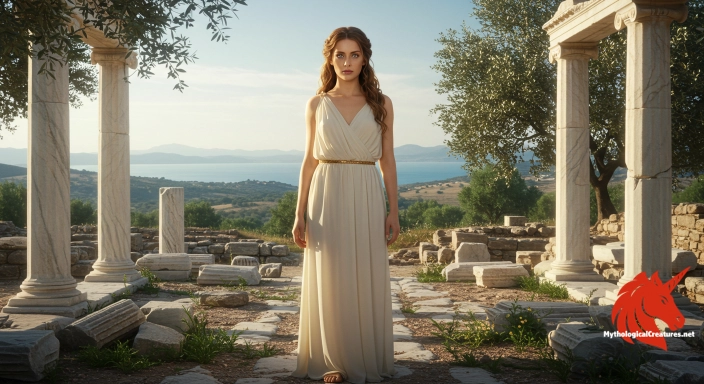
Dare to Meet the Helen of Troy....
The Mythological Creatures Book Series
Yokai, Greek, Norse, Egyptian & Chinese. Five illustrated field guides to the creatures the old stories either warned or told you about.


Curated by the Mythological Creatures Team
Series editor: Mythological Creatures Directory
Primary desk: Hellenic & Ancient Mediterranean Desk
(rev. November 2025)