
Bobak: Bobak is a demonic entity from Slavic mythology known for his malevolent influence.
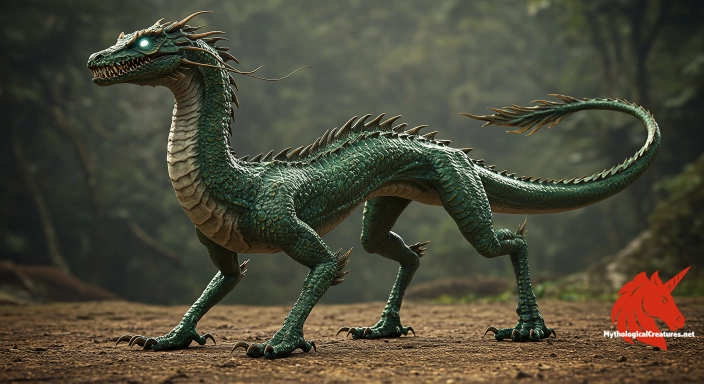
-ba0a989d-31ff-4312-a41f-47973db91e75_small.webp "Bobak - Bobak serves as a symbol of the dark forces in Slavic folklore, warning of the dangers of immoral behaviour and hubris.")
Bobak
Bobak - Bobak serves as a symbol of the dark forces in Slavic folklore, warning of the dangers of immoral behaviour and hubris.
the legend in five swipes.
the legend in five swipes.
How did Bobak enter folklore?
Bobak is a dark and enigmatic figure who inhabits the shadowy recesses of Slavic mythology. Legends portray this demonic entity as emerging from the depths of ancient oral traditions and mysterious rites. The creature is often linked with forbidding landscapes and archaic rituals that caution against human hubris. Its origins, although veiled in uncertainty, trace back to eras when natural forces and the supernatural were interwoven. Historical recollections suggest that Bobak made his presence known during pivotal cultural junctures and seasonal ceremonies. The figure embodies a paradoxical mix of malevolence and primordial wisdom, reflecting the complex interplay of fear and respect. Cultural contexts have shifted over the centuries, but the enduring mystery surrounding Bobak continues to captivate storytellers and believers alike. The persistent fascination with his legend underscores a broader cultural preoccupation with the unseen forces that dwell at the margins of everyday life.
Bobak: Manuscripts, Texts and Variants
Historical manuscripts and fragmented folk tales offer the earliest glimpses into the grim character of Bobak. Medieval chronicles and later collections of rural stories mention the creature in passing, often portraying him as a harbinger of impending calamity. Variants of his legend appear throughout different Slavic regions, with each narrative adding unique embellishments to his dark mythos. Some versions depict Bobak as an intrinsic part of the underworld, intricately linked to seasonal shifts and obscure rites. Other narratives cast him in the role of a cunning trickster who blurs the line between mischief and malevolence. A wealth of folklore compiled in the nineteenth century reveals subtle differences in his depiction and his significance within local superstitions. The multiplicity of these variant stories illustrates how Bobak’s persona has been adapted to reflect the evolving anxieties of diverse communities. Together, these sources form a complex tapestry that ensures his myth continues to evolve despite the absence of a single definitive account.
What was Bobak believed to be capable of?
Bobak is typically envisioned as a gaunt, shadowy entity whose very presence sends shivers down the spine. His form is often described as lean and elongated, with limbs that twist in unusual, almost serpentine ways. A pallid complexion, marked by a sickly luminescence, stands in stark contrast to the eerie glow of his burning eyes. In many depictions, tattered vestments drape his figure, evoking the remnants of a forgotten or cursed era. Prominent features such as curved horns or gnarled antlers accentuate his demonic nature and add to his intimidating silhouette. Artistic renditions sometimes blend human and bestial elements in his visage, creating a hauntingly familiar yet disturbingly alien countenance. Subtle hints of spectral energy seem to emanate from his form, blurring the line between tangibility and ghostly apparition. These detailed portrayals collectively underscore a fusion of terrifying physicality and elusive mystique that has defined Bobak’s appearance in the popular imagination.
The Geography of the Bobak Legend
Across the diverse landscapes of Eastern Europe, Bobak’s portrayal undergoes significant regional reinterpretations. In the dense woodlands of Ukraine and Belarus, local lore sometimes presents him as a malevolent guardian of nature’s most secret places. In contrast, Polish traditions occasionally imbue Bobak with a tragic, almost sympathetic quality, portraying him as a cursed soul condemned to perpetual wandering. Russian narratives tend to cast him predominantly as an ominous omen, warning travellers of looming misfortune on desolate roads. These differing depictions reflect the rich interplay between local cultural values and the natural landscapes that inspire such legends. In many areas, Bobak is reimagined as a mirror of collective societal fears, his shape shifting with the murky light of folklore. Despite regional differences in detail—from the colour of his vestments to the curvature of his horns—common themes of dread and retribution persist. Thus, the regional adaptations of his myth contribute to a layered and enduring symbol in the collective imagination of the Slavic peoples.
What parallels exist to Bobak in other traditions?
Bobak shares intriguing similarities with other demonic entities that populate the folklore of Europe. Much like the shadowy figures found in Germanic or Balkan legends, he serves as a potent cautionary emblem for those who stray from societal norms. Comparative mythology reveals that both Bobak and his counterparts often personify the chaos that lurks beneath the veneer of civilisation. His ambiguous mixture of trickster traits and overt malevolence mirrors the dual nature found in many mythic spirits across the continent. In regions where Slavic and neighbouring cultural traditions intersect, similar motifs of dark, vengeful beings underscore common human experiences of fear and loss. The archetype embodied by Bobak, with its blend of enigmatic dread and moral warning, connects seamlessly with a broader European legacy of supernatural folklore. This cross-cultural dialogue emphasises how ancient fears are reshaped to confront the uncertainties inherent in the human condition. Ultimately, Bobak stands as a compelling archetype that bridges the distinctive elements of Slavic demonology with the wider tapestry of European mythical tradition.
How has the image of Bobak evolved?
Over the centuries, Bobak’s depiction has transformed remarkably from a straightforward embodiment of terror into a more nuanced cultural symbol. Early oral traditions cast him as a manifestation of nature's wrath and the fear of the unknown, reflecting a world where every shadow held a hidden menace. In modern reinterpretations, however, Bobak is frequently portrayed with a blend of menace and melancholy, serving as a poignant metaphor for the disconnect between contemporary society and its ancient roots. Contemporary art, literature, and film have reimagined him as a complex figure whose story invites contemplation on the tensions between modernity and traditional superstition. This evolution highlights a broader trend where age-old mythic figures are repurposed to speak to modern cultural anxieties, such as environmental decay and the erosion of communal bonds. Festivals and cultural events across Slavic regions often celebrate his myth through exhibitions, theatrical performances, and interactive storytelling, reaffirming his continued relevance. Digital media and graphic narratives have also embraced his character, ensuring that his dark myth endures in popular culture and reaches a new generation of enthusiasts. Ultimately, Bobak remains a dynamic emblem whose historical roots and modern adaptations continue to intrigue, terrify, and inspire discussions about the unseen forces that shape our world.
Interesting Fact
Despite limited textual references, Bobak remains an enduring symbol of demonic power and serves as a potent reminder of the dark forces in Slavic mythology.
Mythological Treasures
Japanese Yokai: A field guide to the spirits and demons of Japanese folklore
Fifteen spirits, with the signs to watch for and what the old tales say to do if you meet one.
Greek Myths: A field guide to the monsters of ancient Greece
Every monster here earned its place in legend, and each gets a full page of artwork and the story behind it.
Norse Sagas: A field guide to the beasts of the Viking world
Drawn from the saga accounts themselves, with the powers, weaknesses and doom of each being set out.
the legend in five swipes.
Support the directory
Promote your myth project and fund more research
Sponsor placements help keep this directory growing and free to use while giving your work a focused, relevant audience.
Learn how sponsorship worksQuick Creature Info
Features:
Associations:
Our Mythic Legendary Rating:

Habitat:
Supernatural Powers:
Physical Attributes:
Abilities:
Behavior:
Weaknesses:
Lore:
References
Discover Another Mythical Legend You May Not Have Heard Of?
Uncover the mysteries of ancient folklore and expand your knowledge of legendary beings from cultures around the world.
Dare to Meet the Meitei dragons....
The Mythological Creatures Book Series
Yokai, Greek, Norse, Egyptian & Chinese. Five illustrated field guides to the creatures the old stories either warned or told you about.
Curated by the Mythological Creatures Team
Series editor: Mythological Creatures Directory
Primary desk: Northern & European Folklore Desk
(rev. November 2025)