
Bolbe: Bolbe is a beautiful lake goddess and nymph from Greek mythology associated with Lake Volvi in Macedonia.
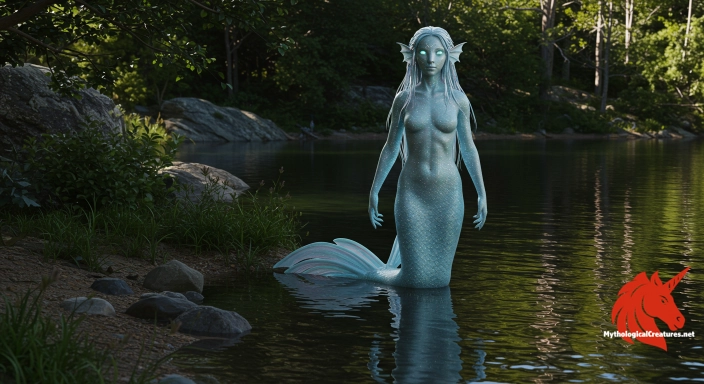
Bolbe
Bolbe - Bolbe exemplifies the ancient Greek reverence for natural freshwater sites and represents the nurturing aspect of water deities.
the legend in five swipes.
the legend in five swipes.
The Earliest Known Accounts of Bolbe
Bolbe emerges as a luminous freshwater goddess in Greek mythology, her legend deeply intertwined with the sacred landscapes of ancient Macedonia. Born from the mystique of nature itself, she is celebrated as a beautiful lake nymph whose spirit once graced the waters of the lake later known as Lake Volvi. Her mythic origins appear to capture the Greeks’ reverence for water as a life‐giving element, blending divine governance with the natural world. Bolbe’s narrative intertwines with heroic lore, most notably through her connection with Heracles, whose union with her produced offspring that symbolically continued her watery domain. Through her progeny, the Limnades, she ensured that the traditions of fresh water deities permeated the ethos of local cults and rituals. The goddess exemplifies the delicate balance between beauty and power, traits that were highly regarded in the ancient Greek cultural imagination. Her story also reflects an early attestation of local deities whose identities were shaped both by geography and the community’s spiritual needs. Ultimately, Bolbe stands as an emblematic figure, bridging myth and nature, and underscoring the divine presence embedded in the environment.
Which versions of the Bolbe story survive?
The classical narrative of Bolbe finds its primary reference in the works of Athenaeus, who briefly captures her essence as a lake goddess and recounts her role in the heroic saga involving Heracles. Although ancient texts offer only fragmentary accounts of her life, they provide valuable glimpses into the nature of freshwater deities revered by the Greeks. Over time, local folklore expanded on these brief mentions, weaving together a more elaborate tapestry of her myth and its significance. Variants of her myth are reflected in regional traditions that embellish her role as a nurturer of nature and a progenitor of Limnades. Some accounts highlight her divine beauty and serene dominion over water, while others stress her enigmatic origins linked to elemental forces. These texts, though sparse, resonate with the broader tradition of water cults in the ancient world and underscore the importance of nature in shaping local religious practices. Later literary and artistic renditions have indirectly referenced her, often merging her identity with that of other aquatic divinities. The evolving story of Bolbe demonstrates how regional myths adapt over time, drawing on limited canonical sources to create rich, culturally embedded narratives. Through these multifaceted versions, her legacy continues to spark scholarly and creative interest.
What powers did Bolbe have?
Bolbe is traditionally depicted as possessing an ethereal beauty that mirrors the calm and reflective qualities of her watery domain. Her visage is often described with luminous, almost translucent skin that seems to capture and refract the light of the sun, reminiscent of glistening water at dawn. Artistic renditions frequently show her with flowing, cascading hair that evokes the delicate movement of water waves. Her eyes, deep and reflective like the still depths of a lake, suggest both wisdom and an enduring connection to nature’s mysteries. The graceful contours of her form are imbued with an otherworldly quality, combining both fragility and latent strength. In some imaginations, delicate motifs of aquatic flora such as water lilies or reeds are interwoven with her attire, symbolising her intimate bond with the natural environment. Variations in visual portrayals have captured her dual nature, reflecting a balance between nurturing gentleness and the unpredictable forces of water. This richly symbolic depiction served to inspire ancient sculptors and painters, whose works have influenced modern reinterpretations of classical beauty. Through these enduring artistic images, Bolbe remains a visual archetype of the divine femininity associated with water.
Where was Bolbe best known?
In the heart of Macedonia, Bolbe came to be revered as a local embodiment of the natural world, her identity intricately linked to the lake that bore her name. The waters of what is now known as Lake Volvi have long been associated with her divine presence, a testament to the deep cultural roots she established in the region. Local traditions celebrate her as a beneficent force, whose influence extends far beyond myth to the very sustenance of the land. In folk practices and communal rituals, the goddess is honoured for imparting life, fertility, and a reverence for the water’s dynamic nature. The regional adaptation of her tale often blends historical reverence with environmental insights, highlighting the critical role of water in local ecology. As communities evolved, Bolbe’s identity was enriched by oral traditions that celebrated her as both a guardian and a nurturer of natural resources. Artistic expressions found in regional mosaics and murals continue to evoke her image, reinforcing her lasting presence within Macedonian cultural heritage. This integration of myth with the physical landscape has ensured that her legend remains an indelible part of local identity and environmental consciousness. Through centuries of adaptation, Bolbe has become a symbol of the sacred bond between the people and their natural surroundings.
What makes Bolbe different from similar figures?
When compared with other mythological water deities, Bolbe shares many characteristics that underscore the universal symbolism of water as both a nurturer and a life-giving force. Her attributes resonate with those of the Greek Naiads, whose existence was intrinsically tied to freshwater sources and depicted as embodiments of nature’s vitality. In a similar vein, Roman and Celtic traditions have celebrated corresponding nymphs and water sprites, each emblematic of the ambiguous power and beauty of water. The recurring themes of rebirth, fertility, and the cyclical nature of life are common threads that connect Bolbe to these cross-cultural figures. While her myth is regionally specific, it reflects a larger, unifying motif of water deities whose stories speak to the intrinsic human appreciation for natural forces. Comparatively, aspects of her narrative also echo in the broader pantheon of Greek myth, where the divine often intertwines with the elements to influence the mortal realm. The cultural parallels extend to the visual arts and literary traditions, where depictions of water nymphs highlight similar qualities of grace and enigmatic power. This comparative analysis not only illuminates the shared heritage of water deities across cultures but also enhances the understanding of Bolbe as more than a regional myth. By recognising these similarities, one appreciates how ancient societies across the Mediterranean revered water as a transcendent, unifying element.
Bolbe: Modern Retellings and Reinventions
Over the millennia, Bolbe’s myth has transitioned from a local legend to a symbol inspiring modern reflections on nature and divinity. Despite the sparse early references in classical texts, her enduring allure has captured the imagination of scholars, artists, and cultural enthusiasts alike. In the modern era, Bolbe is often embraced as an icon representing the beauty and transformative power of water. Contemporary reinterpretations have seen her emerge as a figure emblematic of environmental stewardship, bridging ancient mysticism with current ecological consciousness. The region around Lake Volvi continues to celebrate her legacy with festivals and cultural events that echo the ancient rites once dedicated to her. Artistic endeavours—ranging from visual arts to literature—often draw on her imagery, presenting her as a timeless emblem of nature’s bounty and fragility. Her myth has also provided fertile ground for academic exploration, inviting new perspectives on how ancient cultures perceived the divine aspects of the natural world. Through these modern lenses, Bolbe transcends her mythological origins, inspiring a profound appreciation for the interconnectedness of nature and spirituality. Her evolving tale remains a dynamic part of cultural memory, highlighting the perpetual dialogue between past lore and contemporary environmental ideals.
Interesting Fact
Bolbe’s dual role as both a nurturing mother figure and a guardian of her freshwater domain underscores the ancient Greek belief in the sacredness of natural water bodies.
Mythological Treasures
Greek Myths: A field guide to the monsters of ancient Greece
Every monster here earned its place in legend, and each gets a full page of artwork and the story behind it.
Chinese Beasts: A field guide to the dragons and demon kings of Chinese myth
From river dragons to demon kings, with the legends that shaped five thousand years of storytelling.
Japanese Yokai: A field guide to the spirits and demons of Japanese folklore
Fifteen spirits, with the signs to watch for and what the old tales say to do if you meet one.
the legend in five swipes.
For authors, artists, and makers
Created something from the realm of myth?
If your book, deck, game, or artwork draws from legendary creatures and lore, you can showcase it here in a tasteful, year-round placement.
Share your projectQuick Creature Info
Origin:
Associations:
Our Mythic Legendary Rating:

Also Sometimes Known As:
Habitat:
Supernatural Powers:
Physical Attributes:
Abilities:
Behavior:
Lore:
Related Creatures, Tales or Lore
- NNaiads
- LLimnades
- OOceanids
References
Discover Another Mythical Legend You May Not Have Heard Of?
Uncover the mysteries of ancient folklore and expand your knowledge of legendary beings from cultures around the world.
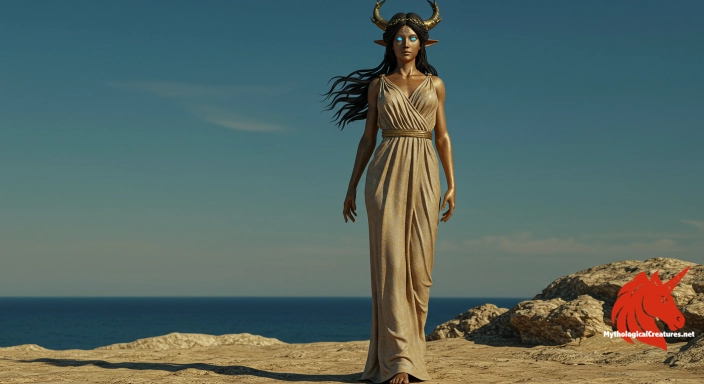
Dare to Meet the Pasiphaë....
The Mythological Creatures Book Series
Yokai, Greek, Norse, Egyptian & Chinese. Five illustrated field guides to the creatures the old stories either warned or told you about.




Curated by the Mythological Creatures Team
Series editor: Mythological Creatures Directory
Primary desk: Hellenic & Ancient Mediterranean Desk
(rev. November 2025)