
Bolotnik: Bolotnik is a male swamp spirit from Slavic mythology known for his grotesque, amphibian appearance and malevolent nature.
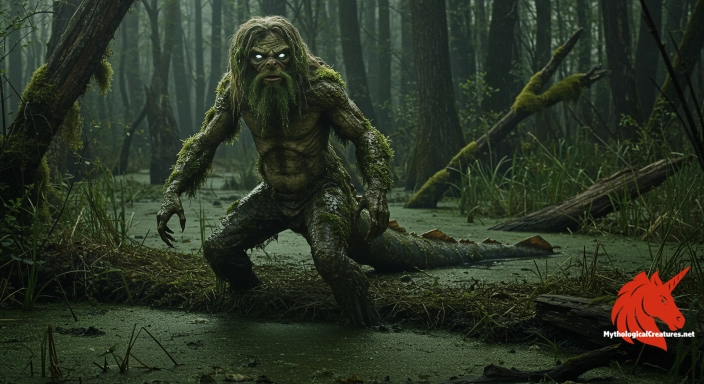
Bolotnik
Bolotnik - Symbolises the hidden dangers and mysterious allure of treacherous swamp waters in Eastern European traditions
the legend in five swipes.
the legend in five swipes.
Bolotnik: First Encounters and Early Records
Bolotnik is a compelling figure originating from the heart of Slavic mythology, a male swamp spirit whose eerie persona has intrigued generations. He is seen as an inhabitant of misty bogs and hidden wetlands, where the boundaries between the human world and the supernatural blur. His earliest mentions come from oral traditions in regions such as Russia, Ukraine, Belarus, and Poland, each echoing the deep-rooted connection to natural landscapes. The legend presents him as a mysterious figure who embodies both wisdom and the lurking dangers of untamed nature. Over time, his narrative evolved to represent the unpredictable forces of water and decay in a rapidly changing world. His depiction often blends qualities of benevolence and menace, making the bolotnik a symbol of nature’s ambivalence. Folkloric traditions paint him as both a guardian and a trapper, cautioning those who dare to venture too near the swamp’s edge. Tales of his cunning lure and potential peril encourage respect for the natural world and its hidden depths. Through his enigmatic existence, the bolotnik continues to remind observers of the delicate balance between civilisation and the wild.
How many versions of the Bolotnik story are there?
The detailed accounts of bolotnik are carved into a wide array of ancient texts, oral recitations, and folklore that have been passed down over centuries. Narratives collected from rural communities serve as informal archives, capturing his elusive persona and the dangers associated with his watery domain. Ethnographers and folklorists in the nineteenth century documented his exploits and peculiarities, particularly those observed near the Vitebsk Governorate. In these accounts, the spirit’s appearance and behaviour often shift subtly from one region to another, reflecting local interpretations of the swamp’s mysteries. Some recorded variants emphasise a menacing presence while others note strange and humorous traits in his conduct. Multiple sources describe his capacity to lure unwary souls to the brink of water, each variant reinforcing the motif of nature turning treacherous. Later compilations of Slavic myths further integrated his figure with similar water-associated entities, enriching his narrative by contextual comparison. The layered and diverse story variants not only underscore his mythic dimensions but also highlight the evolving cultural dialogue between humanity and its environment. These enduring accounts continue to nourish the collective imagination of those fascinated by what lies beneath murky waters.
Bolotnik: Physical Form and Supernatural Powers
Bolotnik is portrayed with features that mirror the murky and decaying essence of the swamp. He is often depicted as a man or an aged figure with exaggerated, frog-like eyes that seem to sparkle with an eerie luminescence. His long, flowing hair and green beard evoke the image of tangled aquatic vegetation, adding to his otherworldly mien. The creature’s skin is reputedly encrusted with a mixture of dirt, algae, and fish scales, illustrating his intrinsic bond with the boggy realm. In some tales, his eyes are conspicuously absent, replaced by dark voids that amplify his supernatural aura. Additional descriptions mention elongated arms and a tail, features that further set him apart from ordinary human forms. His overall form appears mutable, fluctuating in size and structure as if adapting to the ever-changing swamp. Every aspect of his anatomy, from his grimy exterior to his unsettling facial features, reinforces his connection to the untamed wetlands. This vivid portrayal transforms the bolotnik into both a reminder of nature’s decay and a living embodiment of the swamp’s mystique.
Bolotnik: The Same Figure in Different Places
Local variants of the bolotnik myth reveal how diverse cultural landscapes reshape a singular legend. In Russian tradition, he emerges as a fearsome spectre that haunts the dark recesses of rural swamps, instilling both caution and awe. Ukrainian renditions sometimes imbue him with subtle characteristics that reflect the unique environmental challenges and folklore of the region. Belarusian interpretations blend familiar aspects of his character with localized mythic nuances, while in Polish culture, the creature known as błotnik adopts an accent that speaks directly to the muddy realities of wetland life. Some regional accounts even cast him as part of a duality, paired with a female counterpart, bolotnitsa, who complements and contrasts his traits. These narratives are often deeply interwoven with specific settings, where the bogs and marshes provide both a stage and a metaphor for his enigmatic presence. In each locality, the bolotnik embodies the fears and reverence associated with the unpredictable forces of nature. The regional diversity in his portrayal underlines how local environmental and cultural factors can reframe a myth, transforming it to resonate with community experiences. Ultimately, the variations reveal a shared respect for the power and mystery of the natural world across Slavic lands.
Bolotnik: Related Figures Across Cultures
The bolotnik stands shoulder to shoulder with an array of water spirits found in mythologies around the world, each symbolising nature’s dual capacity for nurture and destruction. His characteristics often invite comparison with the vodyanoy, another Slavic water spirit known for seducing or even dragging the unwary into the deep. In broader mythological discourse, his traits echo those of ancient river deities who balanced life and peril in their aquatic realms. The creature also shares similarities with the Celtic kelpie, both figures using the allure of water as a trap for those who venture too close. Elements of his mysterious appearance resonate, in a distinct cultural echo, with the Japanese kappa, though each creature occupies a unique spiritual niche. These cross-cultural parallels highlight a common human fascination with water’s ambiguous character, as both life-giving and dangerous. The bolotnik, like his counterparts, functions as a mythic boundary, marking the interface between the known and the cryptic. In drawing such comparisons, one sees that the natural world has long been personified through figures that warn, seduce, and mystify. This rich comparative tapestry underscores a universal narrative centred on the interplay between humanity and the elemental forces of water.
Bolotnik: The Modern Legacy
The evolution of bolotnik’s legend mirrors the shifting relationship between humanity and the natural environment. His initial portrayal as a simple, albeit menacing, swamp-dweller has gradually accumulated layers of symbolic meaning over centuries. Early tales that warned of his trap were imbued with a practical caution about the dangers of untamed wetlands; today, his image often serves as a metaphor for environmental decay and the unforeseen consequences of human interference. Artistic and literary reinterpretations have reimagined him as both a relic of folklore and an emblem of nature’s relentless reclaiming of space. Modern depictions frequently merge his old-world mystique with contemporary eco-critical themes, portraying him as a guardian of a threatened natural order. Film, graphic novels, and even digital media occasionally resurrect his eerie presence, infusing classic lore with modern anxieties about environmental degradation. His continued prominence in cultural narratives testifies to the enduring power of myth to adapt to new contexts and concerns. As society evolves, the bolotnik remains a haunting reminder of the tension between civilisation and the wild, urging a reconsideration of our own environmental responsibilities. In this way, his legacy bridges the ancient with the modern, offering insights into both past superstitions and present-day ecological discourses.
Interesting Fact
Interestingly, regional tales offer conflicting descriptions of Bolotnik’s eyes—some emphasize his large, frog-like eyes while others describe him as eyeless—underscoring the diverse and evolving interpretations of his character in Slavic folklore.
Mythological Treasures
Egyptian Legends: A field guide to the gods and monsters of ancient Egypt
Guardians of the living and devourers of the dead, with the role each played in judgement.
Chinese Beasts: A field guide to the dragons and demon kings of Chinese myth
From river dragons to demon kings, with the legends that shaped five thousand years of storytelling.
Japanese Yokai: A field guide to the spirits and demons of Japanese folklore
Fifteen spirits, with the signs to watch for and what the old tales say to do if you meet one.
the legend in five swipes.
For indie creators
Give your myth project a permanent home
Indie authors, artists, small studios, and makers can secure an annual, non-intrusive sponsor slot that meets readers where they explore.
Obtain more informationQuick Creature Info
Features:
Associations:
Our Mythic Legendary Rating:

Also Sometimes Known As:
Habitat:
Supernatural Powers:
Physical Attributes:
Abilities:
Behavior:
Lore:
References
Discover Another Mythical Legend You May Not Have Heard Of?
Uncover the mysteries of ancient folklore and expand your knowledge of legendary beings from cultures around the world.
Dare to Meet the Sirens....
-4b12be07-752d-44f6-b8ff-a8c5a3a2bc84_small.webp "Depiction of Sirens")
The Mythological Creatures Book Series
Yokai, Greek, Norse, Egyptian & Chinese. Five illustrated field guides to the creatures the old stories either warned or told you about.

Curated by the Mythological Creatures Team
Series editor: Mythological Creatures Directory
Primary desk: Northern & European Folklore Desk
(rev. November 2025)