
Demon: Demons are malevolent supernatural entities rooted in ancient religious traditions.
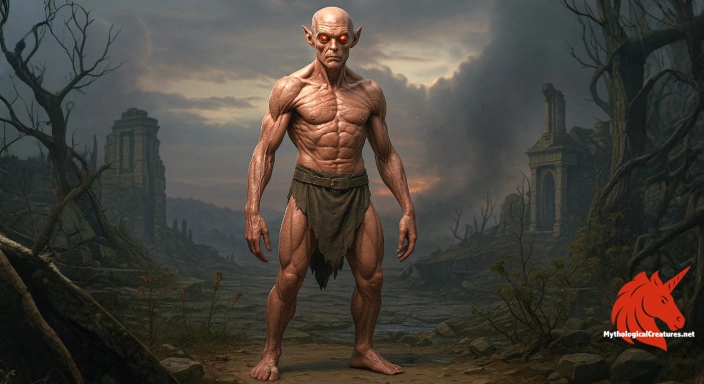
Demon
Demon - Serves as a symbolic embodiment of malevolence and the externalisation of inner evil in various cultural narratives
the legend in five swipes.
the legend in five swipes.
Demon: Where the Legend Started
This entity has been woven into the fabric of human belief since time immemorial, evolving from ambiguous spiritual presences into symbols of malevolence. It emerged in early mythological narratives as a mysterious force, born from humanity’s ancient fear of the unknown and the inexplicable. Its first attestations are found in prehistoric mythic traditions, later being shaped and refined by the religious and cultural systems of the Near East. Early texts and oral lore portrayed it as both a capricious and dangerous spirit, one whose influence could tip the balance between order and chaos. Over time, as civilizations codified their moral frameworks, this spirit was transformed into a figure of unmitigated evil. It became associated with the darker aspects of life, embodying the sins and ills that were believed to plague the human condition. In many traditions, this dark figure was interwoven with the mechanics of temptation, demonic possession, and moral decay. The evolution of its role reflects the shifting human attempt to personify and combat the inexplicable misfortunes that challenged collective understanding and order. The rich layering of beliefs around this entity underscores its importance in the struggle between light and darkness that has long defined human culture. Its presence in myth and ritual continues to evoke both fear and fascination in equal measure.
Demon: Variants Across the Sources
Ancient scriptures and folklore offer a vivid tapestry of stories that have enriched the lore of this entity. Texts from early Judaic traditions contain nuanced portrayals of dark spirits intervening in human affairs, providing a foundation for later theological developments. Hellenistic philosophy introduced the concept of intermediary spirits, which over time invited reinterpretation and moral reclassification. Medieval manuscripts further expanded on these ideas, interlacing spiritual warfare with the praxis of exorcism and mystical healing. Regional apocrypha and folk narratives contributed additional layers, each variant emphasising different facets of malevolence and vice. Renaissance grimoires and esoteric treatises later displayed an eclectic mix of influences from Greco-Roman, Jewish, and Christian thought. Over centuries, this body of lore has grown to include a diverse array of texts, from canonical religious works to popular folklore and literary fiction. These sources collectively highlight the evolving nature of such beings, reflecting shifts in cultural and spiritual paradigms that continue to influence modern beliefs.
Demon: What the Legends Describe
The physical form attributed to this entity is as mutable as the legends that describe it, varying widely across artistic and textual depictions. In many medieval illustrations, it appears with exaggerated, contorted features such as horns, pointed ears, and a menacing set of gleaming eyes. Some depictions imbue it with a hybrid anatomy, blending human and animal traits to evoke a sense of both intelligence and primal ferocity. In other portrayals, the entity is rendered as an ethereal, virulent shadow that defies conventional bodily form. Its skin is sometimes described as being mottled or scaly, conveying an almost infectious malice. Variations in size are common, ranging from diminutive trickster figures to towering monsters that inspire awe and terror. Artistic renderings often incorporate elements of fire or decay, symbolising its intrinsic connection with corruption and destruction. These varied physical characteristics serve not only to terrify but also to symbolise the overarching chaos and defiance of natural order that it represents. The fluidity in its form also mirrors the shifting cultural attitudes toward evil and sin throughout the ages.
Demon: The Same Figure in Different Places
Beliefs about this dark and malevolent spirit take on unique characteristics depending on regional cultural influences. In the ancient Near East, it was sometimes intertwined with local deities and regarded as a capricious force capable of both aiding and punishing mankind. In subsequent Abrahamic traditions, it became firmly established as an adversary of divine order, often depicted as an agent of temptation and moral decay. European folklore added layers of grotesque imagery and local superstition, portraying it as a lurking presence in desolate landscapes and shadowed corners of society. In Eastern contexts, such as in parts of Asia, similar entities emerged with distinct iconography that tied them to local spirits and mythic traditions. These regional variations reflect not only differing aesthetic conventions but also the underlying fears and moral codes of each society. In Africa and Latin America, indigenous beliefs syncretised with imported religious ideas to produce unique interpretations of these dark forces. The global mosaic of its depictions underscores the universal need to personify evil within the cultural and spiritual frameworks of diverse peoples.
How does the Demon legend compare worldwide?
Comparative analysis reveals that while this entity is widely recognised as a symbol of malevolence in many Western traditions, similar figures appear in diverse cultural mythologies under different guises. In Islamic lore, for instance, the jinn occupy a space that overlaps with aspects of this spirit’s character, embodying a spectrum of moral ambiguity. Early Greek thought presented intermediary spiritual beings, or daimons, which bore little of the virulent evil later attributed to these entities. Comparable figures can also be found in Indian narratives where rakshasas serve as destructive and chaotic forces. In many indigenous traditions, entities personifying misfortune and vice play are often ascribed roles strikingly similar to those later seen in Christian demonology. Despite regional and cultural nuances, the function of these beings as representations of inner and outer evils remains a common thread. Such cross-cultural parallels highlight the universal human tendency to delegate existential and moral dilemmas to supernatural forces. The recurring motif of an antagonistic, often corrupting spirit speaks to shared psychological and societal struggles across the globe. The convergence of these images in disparate cultures underscores a deep-seated need to understand and symbolise the darker aspects of existence.
Demon: Then and Now
Over successive millennia, the depiction and interpretation of this malevolent entity have undergone profound transformation, mirroring the evolution of human thought and societal values. In ancient philosophical discourse, the spirit was not initially constrained to a solely negative role, and its early embodiments in ideas of divine inspiration gradually veered towards the menacing. Medieval Europe cemented its role as an embodiment of sin and chaos, a vision that was starkly rendered in religious art and the rituals of exorcism. The Renaissance saw a creative blending of classical, Jewish, and Christian strands, giving rise to intricate hierarchies that enriched its mythos. With the advent of modern psychology, the symbolism of this being broadened further; the term 'inner demons' became a metaphor for the personal struggles and moral dilemmas inherent in the human condition. Contemporary portrayals in film, literature, and video games have reimagined these figures in both conventional horrific and more nuanced, allegorical ways. Modern occult practices and new-age philosophies continue to engage with these ancient ideas, sometimes venerating the archetype as an emblem of personal transformation. This enduring legacy reveals how deeply the narrative of malevolent spirits has penetrated cultural consciousness. Even as societal fears evolve, the shadow of these beings remains a powerful symbol in ongoing dialogues about good, evil, and the nature of human fallibility.
Interesting Fact
Interestingly, the term 'demon' originally had a neutral meaning in ancient Greek, referring to divine intermediaries, before evolving into the exclusively malevolent concept recognized today.
Mythological Treasures
Greek Myths: A field guide to the monsters of ancient Greece
Every monster here earned its place in legend, and each gets a full page of artwork and the story behind it.
Japanese Yokai: A field guide to the spirits and demons of Japanese folklore
Fifteen spirits, with the signs to watch for and what the old tales say to do if you meet one.
Norse Sagas: A field guide to the beasts of the Viking world
Drawn from the saga accounts themselves, with the powers, weaknesses and doom of each being set out.
the legend in five swipes.
For myth educators and toolmakers
Built a resource for mythology learners?
If you offer courses, teaching tools, or research platforms focused on myth and folklore, consider a discrete placement on our reference pages.
Introduce your resourceQuick Creature Info
Associations:
Our Mythic Legendary Rating:

Also Sometimes Known As:
Habitat:
Supernatural Powers:
Physical Attributes:
Abilities:
Behavior:
Weaknesses:
Lore:
Related Creatures, Tales or Lore
- IImp
- FFallen Angel
- DDjinn
References
Discover Another Mythical Legend You May Not Have Heard Of?
Uncover the mysteries of ancient folklore and expand your knowledge of legendary beings from cultures around the world.
Dare to Meet the Hipponoe....
-f6643b08-4f81-4820-ba79-2b435e84ac24_small.webp "Depiction of Hipponoe")
The Mythological Creatures Book Series
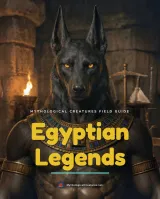
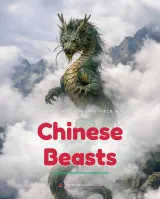
Yokai, Greek, Norse, Egyptian & Chinese. Five illustrated field guides to the creatures the old stories either warned or told you about.
Curated by the Mythological Creatures Team
Series editor: Mythological Creatures Directory
Primary desk: Hellenic & Ancient Mediterranean Desk
(rev. November 2025)