
Dusios: Dusios is a divine Celtic being associated with both fertility and the wild untamed nature of Gaul.
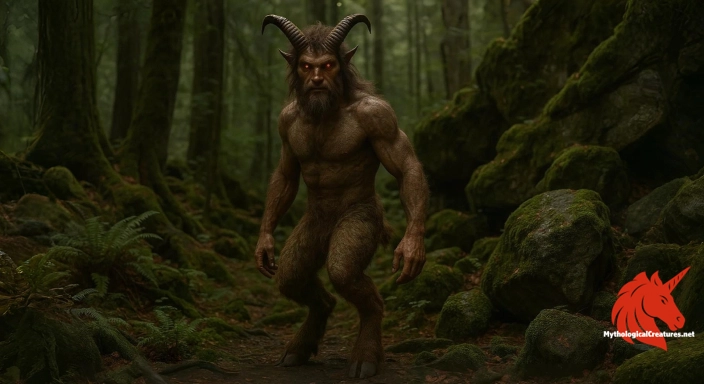
Dusios
Dusios - Dusios embodies the conflation of pastoral fertility and malevolent incubus traits, serving as a bridge between pagan rites and later Christian demonology.
the legend in five swipes.
the legend in five swipes.
Where in the world does Dusios come from?
Dusios emerges as an enigmatic figure within the Celtic pantheon, embodying attributes that bridge the wild and the divine. He was revered as a nature deity whose origins trace back to early Gaulish cultures, where rustic spirituality celebrated the untamed forces of life. His identity was interwoven with influences from the classical world, notably resembling Pan from Greek myth and aligning with deities like Faunus, Inuus, and Silvanus from Roman lore. The earliest attestations of Dusios are found in fragmented inscriptions and local mythic traditions that highlight his dual role as both nurturer and trickster. Notably, he was referred to in the plural as dusioi, a detail that emphasised a multifaceted divine presence. In the cultural tapestry of ancient Gaul, Dusios symbolised the vivid interplay between masculinity, fertility, and the capricious spirit of nature. His character highlights the fluid boundaries between human and animal, the sacred and the profane, reflecting an intimate connection to the natural world. As communities connected deeply with the land, his powers were seen as pivotal in the cycles of growth and decay. Ultimately, his enduring legacy offers a window into a past where the divine was as unpredictable as the wind through the trees.
Where is Dusios written about?
Ancient evidence for Dusios is dispersed and often interlaced with accounts of similar deities, making his direct portrayal elusive. Inscriptions and votive offerings discovered in Gaul sometimes hint at his presence, even though explicit textual references remain sparse. Classical authors, while seldom naming him directly, described nature deities whose characteristics align with those later attributed to Dusios. Early medieval manuscripts and folklore further echo his presence, albeit in forms that blend pagan vitality with emerging Christian motifs. The scant written sources are complemented by archaeological findings that suggest a widespread, albeit indirect, reverence. Variants of his myth appear in regional traditions, where he is sometimes merged with the concept of an incubus or nature spirit. These sources reveal a fluid narrative that shifted over time, absorbing influences from both classical and early medieval religious thought. The layered nature of his portrayal invites a holistic reconstruction of his myth through comparative studies and the integration of diverse cultural narratives. As such, the story of Dusios is pieced together from a mosaic of historical fragments and reinterpretations passed down through generations.
Did Dusios have any weaknesses?
Artistic depictions of Dusios often reveal a striking blend of human and animal features, manifesting a divine connection with nature. Many representations evoke the image of a robust, satyr-like figure, complete with goat-like horns and rugged features that mirror wilderness itself. His eyes, as portrayed in surviving iconography, are frequently rendered with a mischievous glint that hints at his unpredictable character. Classical imagery suggests that his form was versatile, with some depictions emphasising a towering, muscular physique and others presenting a more elusive, graceful aspect. Detailed reliefs and sculptures exhibit a face that is both expressive and wild, merging soft human contours with the rawness of animalistic detail. In certain portrayals, Dusios is adorned with a wild, unkempt beard and flowing hair, symbolising a boundless connection to the natural world. The varied anatomical details, from pronounced horns to subtle hints of a tail or cloven hooves, underscore his duality as both nurturing and disruptive. His physical form was not static but evolved over time, reflecting the shifting cultural perceptions of the divine. Consequently, the visual legacy of Dusios remains as multifaceted as the natural forces he represents.
Dusios: Regional Differences in the Legend
The character of Dusios undergoes significant regional adaptation, with local traditions colouring his portrayal in distinct ways. In the heartlands of ancient Gaul, he is celebrated as a pastoral guardian whose presence imbues the wilderness with both fertility and caprice. In areas under firm Roman influence, his image often merges seamlessly with that of rustic deities like Faunus and Silvanus, leading to a more standardised iconography. Conversely, in the bordering regions of early medieval Francia, Dusios increasingly acquires traits of a nocturnal spirit or incubus, reflecting evolving societal anxieties. Local legends sometimes portray him as a protector of groves and wild places, while in other regions he is recast as a disruptive force that intrudes upon human domains. This localized variation highlights the adaptability of his myth within diverse cultural and religious frameworks. The shifting depictions reveal a blend of reverence and caution, as communities sought to explain the unpredictable aspects of nature. His narrative, therefore, is as multifarious as the regions that embraced and transformed his legacy. In every variation, Dusios maintains an essential link to the untamed, reminding his followers of the ever-present wildness underlying everyday life.
Which other cultures tell a story like that of Dusios?
Dusios finds many parallels in the pantheons of ancient myth, most notably with the Greek god Pan and the Roman Faunus. These deities all share a complex identity that is simultaneously fertile, mischievous, and deeply attuned to the rhythms of the natural world. The hybrid characteristics exhibited by these figures, combining human intelligence with animalistic features, speak to a broader cultural archetype that celebrates the union of civilisation and wilderness. Much like Pan, Dusios embodies the unpredictable charm of nature, where moments of light-hearted revelry can swiftly give way to the undercurrents of chaos. His later association as an incubus in early medieval lore also finds echoes in similar European traditions that warned of nocturnal, supernatural seducers. The comparative analysis underlines a universal motif across cultures where deities of fertility and the wild challenge the neat boundaries between order and disorder. Artists and storytellers have long drawn on these shared attributes, employing them as metaphors for natural cycles and human passion alike. Such cross-cultural connections reveal that the allure of these mythic figures transcended geographical and temporal limits. In essence, Dusios serves as an exemplar of a widespread mythological phenomenon that celebrates and cautions against the force of nature.
Dusios: From Folklore to Pop Culture
Over the centuries, the portrayal of Dusios has undergone a profound evolution, mirroring the transformative shifts in religious thought and societal values. Initially venerated as a potent symbol of nature and fertility in Gaulish traditions, his identity was later absorbed and reinterpreted within the framework of early Christianity and medieval superstition. Gradually, the once-revered nature deity took on more sinister connotations as an incubus, embodying the fears and moral uncertainties of a changing era. This moral rebranding reflects a broader trend in which pagan elements were reconfigured to serve new ethical and doctrinal narratives. In modern times, his ambiguous legacy continues to capture the imagination of artists, writers, and cultural historians alike. Contemporary depictions often celebrate his dual nature, rendering him as either a guardian of ancient wildness or a cautionary symbol of unchecked natural forces. Modern fantasy literature and role-playing games have revitalised his image, imbuing Dusios with a sense of mystical allure and timeless complexity. Scholarly reinterpretations underline his role as a bridge between the ancient and the modern, embodying both the enduring power and inherent peril of nature. Ultimately, Dusios remains a compelling figure whose layered history invites ongoing exploration into the interplay between myth, culture, and the natural world.
Interesting Fact
Dusios exemplifies the fluidity of myth, transitioning from a revered fertility deity to a demonised incubus within early medieval belief systems.
Mythological Treasures
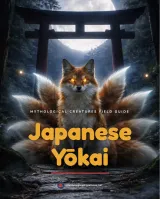
Japanese Yōkai: A field guide to the spirits and demons of Japanese folklore
Fifteen spirits, with the signs to watch for and what the old tales say to do if you meet one.
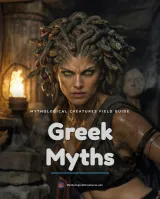
Greek Myths: A field guide to the monsters of ancient Greece
Every monster here earned its place in legend, and each gets a full page of artwork and the story behind it.
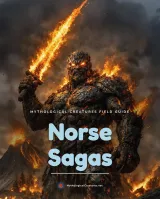
Norse Sagas: A field guide to the beasts of the Viking world
Drawn from the saga accounts themselves, with the powers, weaknesses and doom of each being set out.
the legend in five swipes.
For serious myth projects
Feature your work alongside the legends
From academic works to story-rich games, we highlight projects that respect world mythologies. Talk to us about a measured, long-term placement.
Start a conversationQuick Creature Info
Features:
Associations:
Our Mythic Legendary Rating:

Also Sometimes Known As:
Habitat:
Supernatural Powers:
Physical Attributes:
Abilities:
Behavior:
Lore:
References
Discover Another Mythical Legend You May Not Have Heard Of?
Uncover the mysteries of ancient folklore and expand your knowledge of legendary beings from cultures around the world.
Dare to Meet the Canshen....

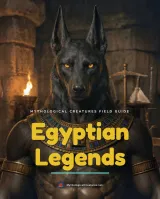
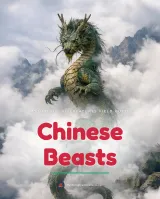
The Mythological Creatures Book Series
Yōkai, Greek, Norse, Egyptian & Chinese. Five illustrated field guides to the creatures the old stories either warned or told you about.
Curated by the Mythological Creatures Team
Series editor: Mythological Creatures Directory
Primary desk: Northern & European Folklore Desk
(rev. November 2025)