
Eulimene: Eulimene is a name shared by two figures in Greek mythology: a benevolent Nereid of good harborage and a tragic mortal woman from Crete.
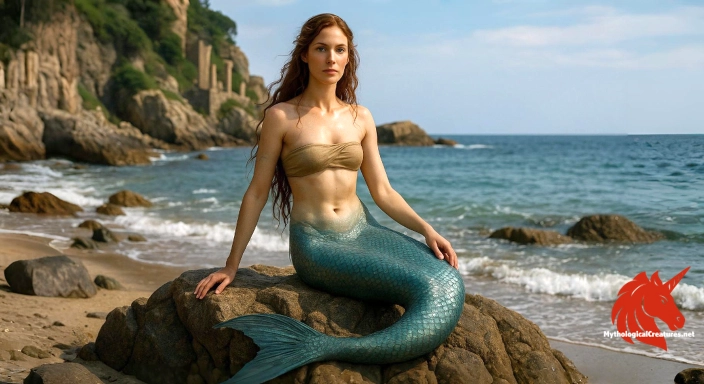
Eulimene
Eulimene - Eulimene symbolizes the benevolent aspects of the sea offering safe passage, while also embodying human vulnerability and tragic fate.
Origins & First Encounters
Eulimene is a captivating figure whose name, meaning 'she of good haven' or 'good-harbour-woman,' reflects a dual legacy woven into the fabric of ancient Greek mythology. Her identity is split between the ethereal grace of a Nereid, a daughter of Nereus and Doris, and that of a mortal Cretan woman whose fate was tragically intertwined with complex human emotions and divine interventions. In one tradition, her divine aspect symbolises the nurturing and protective qualities of the sea, where safe harbours were celebrated as sanctuaries in a turbulent world. The Nereid Eulimene embodies the benevolence of the ocean, offering both physical refuge and metaphoric comfort to seafarers. In contrast, the mortal Eulimene from Crete is remembered for a tale of love, betrayal, and the inexorable decrees of the oracles, making her story as much a parable of human vice as it is of divine caprice. Her narratives, drawn from different parts of the Greek world, illustrate how mythology could simultaneously exalt divine beauty while condemning earthly transgressions. The juxtaposition between her immortal and mortal portrayals invites reflections on the interplay between fate and free will. Her multifaceted character continues to enchant scholars and enthusiasts by blending idealised divinity with very human struggles. The allure of her story lies in its capacity to offer contrasting glimpses into ancient societal values and the timeless complexities of the human condition. Eulimene's enduring presence in myth underscores how ancient narratives could celebrate both triumph and tragedy within a single, resonant name.
Source Texts & Tale Variants
The preserved narratives of Eulimene emerge from a diverse array of ancient texts and oral traditions that have passed through the ages. Various writings allude to her as a sea-nymph whose gentle presence assured the safety of coastal settlements, while other sources recount the heartrending events from Crete involving love and sacrificial destinies. The duality of her character is reflected in fragments from mythographers where some passages emphasise her divine origins while others focus on the mortal consequences of her actions. In certain classical manuscripts, her role as a Nereid is listed among the fifty daughters of Nereus and Doris, emblematic of nature’s benevolence and the mystique of the sea. Conversely, narratives originating in Cretan lore describe a sequence of events marked by an ill-fated romance, oracle pronouncements, and severe retribution. Though the surviving texts are often terse, they provide layered insights into how Eulimene's myth was adapted to resonate with local audiences. The variations in her story reveal a rich diversity in storytelling, where slight differences in detail offer alternate visions of morality and divine justice. These evolving interpretations not only enriched the myth itself but also allowed successive generations to find new meanings in her tale. The multiplicity of these sources contributes to a broader understanding of myth as a living, mutable tradition that transcends time and geography.
Form & Powers
The depictions of Eulimene vary strikingly between the divine and mortal aspects of her myth. In representations of the Nereid, she is often shown as possessing an ethereal beauty that is at once both delicate and otherworldly, with flowing hair reminiscent of the rhythmic motion of the sea. Her features are typically idealised, rendered with luminous skin and eyes that mirror the clear, shifting colours of ocean waters. Artworks portray her adorned with accoutrements made from shells and sea-treasures, emphasising her intrinsic connection to the marine realm. In contrast, the mortal Eulimene is envisaged in a more human light, with a natural yet poignant beauty marked by the soft features of youth and the subtle hints of sorrow born from her tragic destiny. Iconography on ancient vases often displays her with traditional Cretan attire, graceful in form yet burdened by the weight of personal loss. The interplay of light and shadow in these depictions accentuates not only her physical allure but also the internal conflict that defines her mortal experience. While the divine version radiates an almost celestial glow, the earthly portrayal of Eulimene carries a subdued clarity that speaks to both innocence and the scars of societal condemnation. These artistic choices contribute to an enduring visual legacy that honours both her celestial and human dimensions.
Regional Faces
The myth of Eulimene takes on distinctive hues when viewed through the lens of regional traditions across the Greek world. In eastern coastal communities, where the sea was both a source of livelihood and a constant reminder of nature's caprice, the Nereid Eulimene was revered as a protective spirit bestowing safe harbours to seafarers. Her presence in these locales underscored an intimate relationship with the water, often celebrated in local festivals and depicted in maritime rituals. In the island of Crete, however, the narrative shifts to a more human scale, where Eulimene becomes entwined with local customs, family honour, and the stringent demands of ritual sacrifice as dictated by oracles. The Cretan variation of her story reflects the societal emphasis on purity, loyalty, and the inevitable consequences of transgression, resonating with the island’s own storied past. Local storytellers often adapted her myth to align with regional moral and social expectations, thereby creating a unique cultural imprint that set her apart from her pan-Hellenic counterpart. Artistic expressions in these regions frequently incorporate traditional motifs that align with indigenous scenic and religious practices. This regional tailoring of her legend not only highlights the fluidity of myth in adapting to different cultural environments but also serves as a testament to the diverse ways in which ancient communities engaged with their deities and heroes.
Cultural Parallels
Eulimene’s dual identity presents fascinating points of comparison with similar figures from both within and beyond Greek mythology. Her role as a nurturing sea-nymph closely aligns her with other water deities like Amphitrite and Thetis, whose legacies similarly encompass themes of protection and the delicate balance between nature and civilisation. The profound symbolism of safe harbour resonating in her name finds echoes in other maritime traditions, where deities are invoked for calm seas and prosperous journeys. In the mortal realm, her tragic narrative shares common ground with other mythic figures marked by forbidden love and the harsh judgments of destiny. Such themes recur in stories across various cultures, illustrating a universal archetype where beauty and vulnerability can precipitate both divine favour and sorrow. The complex interplay of divine intervention and human fallibility in her life mirrors the dichotomies found in many mythological tales, where the boundary between celestial influence and earthly experience is deliberately blurred. Comparative analysis reveals that while regional variations colour her story differently, the underlying motifs of refuge, retribution, and moral ambiguity remain consistent. This multifaceted nature has allowed scholars to draw parallels with similar narratives in Mediterranean lore, further underscoring her relevance as a symbol of both hope and warning. The enduring resonance of her myth underscores its capacity to foster cross-cultural dialogues on the nature of divinity and human destiny.
Legacy & Modern Evolution
The evolution of Eulimene’s myth over time reflects a dynamic interplay between tradition, reinterpretation, and artistic innovation. During ancient times, her portrayal as a symbol of safe harbour and tragic sacrifice was integral to the collective cultural psyche, mirroring the deep reliance on the sea and the rigid moral frameworks of early Greek society. As classical literature and visual arts evolved, her representation transitioned from brief mythic allusions to more elaborate narratives replete with emotional and symbolic complexity. In the Renaissance and later periods, interest in classical mythology rekindled, prompting new artistic interpretations that cast Eulimene as a figure of both ethereal beauty and melancholy human fate. Modern reinterpretations have further expanded her legacy, with contemporary writers and visual artists reimagining her story in the light of modern themes such as personal resilience, the duality of existence, and the transformative power of adversity. Her myth now serves as a potent symbol in discussions about the intersection of nature, divinity, and human morality, often appearing in literary works, paintings, and even cinematic portrayals. Museums and cultural festivals continue to celebrate her story, inviting audiences to explore the enduring allure of myth in explaining the complexities of life and the natural world. The adaptation of her narrative across centuries highlights the timeless human fascination with the interplay between divine providence and mortal endeavour, ensuring that Eulimene remains a vivid and evocative figure in both academic and popular culture.
Interesting Fact
An intriguing aspect of Eulimene is that her name, meaning 'good-harbour-woman', encapsulates her dual role in mythology: offering divine protection to seafarers while simultaneously embodying a tragic mortal tale.
Curated sponsor space
One subtle banner. Thousands of myth lovers.
We offer a small number of curated sponsor spots for relevant books, courses, games, and art. No clutter, just well-matched partners.
Partner with usQuick Creature Info
Origin:
Associations:
Our Mythic Legendary Rating:

Also Sometimes Known As:
Habitat:
Supernatural Powers:
Behavior:
Lore:
Related Creatures, Tales or Lore
- TThetis
- GGalatea
- AAmphitrite
References
Discover Another Mythical Legend You May Not Have Heard Of?
Uncover the mysteries of ancient folklore and expand your knowledge of legendary beings from cultures around the world.
Dare to Meet the Shinatsuhiko....
Curated by the Mythological Creatures Team
Series editor: Mythological Creatures Directory
Primary desk: Hellenic & Ancient Mediterranean Desk
(rev. November 2025)