
Funayūrei: Funayūrei are vengeful boat spirits from Japanese folklore that haunt the sea, emerging from tragic maritime incidents.

Funayūrei
Funayūrei - Funayūrei serve as cautionary symbols of the perils of the sea and the tragic consequences of maritime disasters, reflecting the deep connection between water and the human spirit in Japanese culture.
Origins & First Encounters
The legend of Funayūrei unfolds along Japan’s mysterious coastal landscapes, where the ocean is revered as both a life-giving force and a capricious, sometimes cruel entity. Born from the untimely, tragic deaths at sea, these spectral figures emerged in the collective consciousness as vengeful remnants of those lost in maritime disasters. Their presence is deeply woven into centuries of local legend and tradition, dating back to early cultural narratives that blend nature’s unpredictability with human sorrow. Early records from the Edo period capture their eerie manifestations and serve as one of the first attestations of these ghostly apparitions. Communities living by the sea have long regarded the appearance of a Funayūrei as a somber reminder of the perils of ocean travel. The myth symbolises the intimate and sometimes tragic relationship between human beings and the natural world. Over successive generations, the tale has evolved into a rich tapestry of superstition, emotion, and respect for the marine environment. As a cultural emblem, the Funayūrei continue to evoke both fear and compassion, reflecting the timeless struggle between man and the forces of nature.
Source Texts & Tale Variants
Funayūrei are vividly depicted in a variety of traditional texts and oral narratives that date back to the Edo period. Written accounts and miscellaneous folklore collections offer diverse portrayals highlighting their vengeful nature and supernatural origins. Many narratives have been passed down orally, preserved in local story-telling traditions along the coastline. Early literary compilations and ghost story manuscripts capture dramatic and sometimes poetic accounts of these spectral boat spirits. Some variants insist that their appearance portends impending maritime disasters, while others focus on the inherent tragedy of souls forever tethered to the sea. The multiplicity of sources reflects the cultural significance of these apparitions, each account adding subtle nuances to the overall myth. Over time, the tales have been supplemented by artistic works, including traditional woodblock prints and dramatic plays, broadening the narrative’s appeal. Even as modern folk customs and media reinterpret these ghosts, the ancient manuscripts and local accounts remain a pivotal source for understanding their enduring mystery.
Form & Powers
Descriptions of Funayūrei are as fluid and elusive as the sea itself, with their appearances varying by author and region. Many accounts portray them as pallid, almost translucent figures whose features are softened by an ethereal glow. Their long, unkempt hair is often said to merge with swirling mists or the frothy crests of waves, enhancing their spectral countenance. Garbed in what resemble traditional, water-drenched funeral kimonos, their attire appears tattered and perpetually saturated, symbolising their eternal bond with the ocean. Some depictions hint at fluidity in their physical form, as if their bodies ripple in and out of substance like disturbed water. Variations in size are noted in different retellings, with some describing them as diminutive and ghostly, while others cast them as imposing figures that dominate the dark horizon. The visual impressions they leave are haunting, often marked by eyes that glimmer with unspeakable sorrow and a sense of longing. Each narrative adds layers of detail that blend natural elements with the unmistakable aura of the supernatural, making their form both enigmatic and evocative.
Regional Faces
Across Japan, regional interpretations of Funayūrei reveal a rich tapestry of local adaptations and nuances. In Yamaguchi and Saga Prefectures, these spectral figures are often known as Ayakashi, a name that carries its own mysterious connotations. Coastal areas that have experienced repeated maritime tragedies tend to infuse the legend with local color, resulting in portrayals that emphasise the spirits’ role as both harbingers of disaster and mournful protectors of the sea. In northern regions, colder climates and harsher seascapes lend the Funayūrei a more forbidding aspect, while in southern communities their appearances are softer, cloaked in tragic melancholy. Local festivals and ritual commemorations occasionally incorporate these ghostly beings into their narratives, underscoring a collective attempt to understand and honour past losses. Variations in ritual responses and superstitions mirror the community’s own relationship with the sea—ranging from reverence to fear. Each regional adaptation reflects distinct historical experiences and environmental conditions, imbuing the myth with a multifaceted identity. The evolution of these local stories continues to demonstrate how geography and collective memory shape the enduring mystery of the Funayūrei.
Cultural Parallels
Funayūrei share thematic similarities with numerous maritime legends found across the globe, highlighting a universal human preoccupation with the mysteries of the sea. Echoes of their spectral, vengeful nature can be detected in the Western legend of the Flying Dutchman, where cursed seafarers are doomed to wander the oceans. Much like their European counterparts, these Japanese boat spirits serve as ominous portents of impending disaster, merging the realms of myth and natural calamity. In East Asian mythologies, comparable water-bound apparitions also symbolise the tragic consequences of maritime misfortune, creating cross-cultural resonances in the way communities respond to the peril of the sea. Both traditions underscore the liminal status of these beings, residing neither fully in the realm of the living nor completely severed from the natural world. Funayūrei are often compared to other Japanese yūrei, yet their distinctive association with water sets them apart within the broader spectrum of ghostly folklore. This comparative perspective enriches our understanding of how different cultures articulate grief and retribution through supernatural narratives. By examining these parallels, it becomes apparent that the enduring appeal of water spirits is rooted in a universal dialogue about the power and unpredictability of nature.
Legacy & Modern Evolution
The historical evolution of Funayūrei reveals a fascinating journey from ancient superstition to a contemporary cultural symbol. Their earliest depictions were deeply intertwined with local maritime tragedies, reflecting the perils of sea travel in an era when nature’s fury was a constant, tangible threat. As Japan modernised, the myth adapted to new contexts, absorbing influences from literature, theatre, and visual arts, while retaining its core themes of loss and retribution. In the modern era, cinematic and literary portrayals have reimagined these spirits, often using them as metaphors for environmental degradation and the consequences of human hubris. Contemporary media such as anime and manga have revitalised the legend, introducing Funayūrei to global audiences with a blend of traditional horror and modern artistic expression. Their modern legacy also manifests in local customs and festivals, where the ghostly apparitions are both revered and feared as enduring symbols of the sea’s caprice. The transformation of Funayūrei over time illustrates the dynamic nature of folklore, capable of evolving while still staying true to its roots. Today, these ghostly figures continue to inspire new interpretations, ensuring that the ancient tale of the boat spirit remains resilient and relevant in a rapidly changing world.
Interesting Fact
In some regions of Japan, Funayūrei are also known as Ayakashi, illustrating how local traditions adapt ghostly phenomena to reflect regional maritime histories.
For publishers and studios
Your next readers are already here
Many of our visitors are looking for books, campaigns, and resources that deepen their journey into myth. Position your title or setting here.
Discuss a placementQuick Creature Info
Associations:
Our Mythic Legendary Rating:

Also Sometimes Known As:
Habitat:
Supernatural Powers:
Physical Attributes:
Abilities:
Behavior:
Lore:
References
Discover Another Mythical Legend You May Not Have Heard Of?
Uncover the mysteries of ancient folklore and expand your knowledge of legendary beings from cultures around the world.
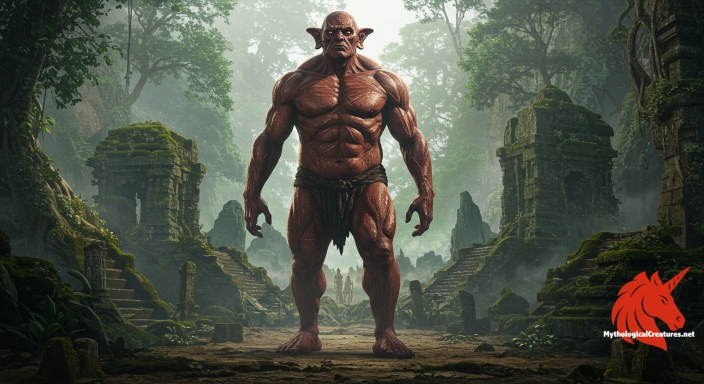
Dare to Meet the Kumbhakarna....
Curated by the Mythological Creatures Team
Series editor: Mythological Creatures Directory
Primary desk: Asian & Pacific Myth Cycles Desk
(rev. November 2025)