
Ayakashi: Ayakashi are ghostly yōkai of Japanese folklore known for their eerie, atmospheric appearances above coastal waters.
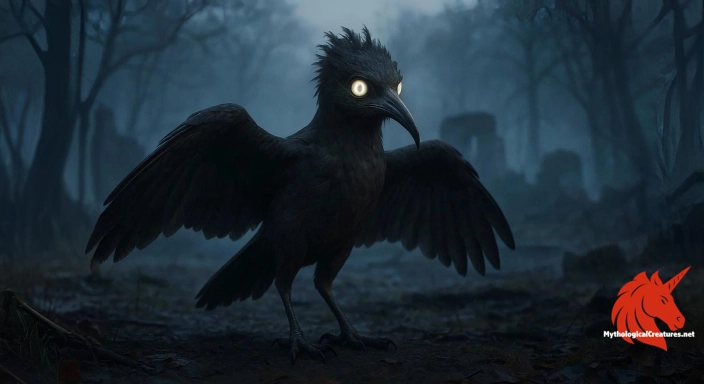
-a8307c0b-6e85-4094-878e-0de4f037b2d0_small.webp "Ayakashi - Ayakashi symbolize the perilous and mysterious nature of the sea, often interpreted as warnings of impending doom or misfortune.")
Ayakashi
Ayakashi - Ayakashi symbolize the perilous and mysterious nature of the sea, often interpreted as warnings of impending doom or misfortune.
Origins & First Encounters
Emerging from the mists of Japan's coastal folklore, ayakashi embody a mysterious class of yōkai that haunt the surfaces of deep waters. Their origins lie in ancient maritime superstitions, where the blurred boundary between the natural and the supernatural gave rise to tales of ghostly apparitions. Local legend teaches that these beings are often the restless souls of those lost to the perils of the sea, destined to wander in a spectral form. Early attestations can be found in regional narratives that blend folklore with warnings about the untamed ocean. Over centuries, coastal communities have woven the image of ayakashi into their cultural identity with equal measures of dread and reverence. The enduring aura of these entities reflects the age-old human engagement with the capricious powers of nature. Artistic representations, from classical woodblock prints to modern illustrations, capture their ambiguous form as both a sign of beauty and an omen of misfortune. Each retelling further solidifies their place in the mythic landscape of Japan, inviting curiosity and contemplation about life, death, and the forces in between. The duality of ayakashi – simultaneously alluring and ominous – continues to inspire both local lore and contemporary reinterpretation. Their myth remains a poignant reminder of nature’s unpredictable temperament and the eternal mystery of the sea.
Source Texts & Tale Variants
Ancient texts and oral traditions form the backbone of the ayakashi legacy, with early mentions appearing in storied collections such as the Konjaku Hyakki Shūi. Multiple variants of their tale exist, each shaped by the local environment and the memories of coastal inhabitants. Regional folklore recounts encounters with ghostly lights that dart above the water, challenging rational explanation while reinforcing the perilous nature of the maritime world. Some versions describe the ayakashi as vengeful spirits seeking to reclaim lost souls, whilst other accounts cast them as eerie guardians emerging during moments of climatic transition. Folk narratives passed down through generations paint a picture of fleeting, luminous shapes that simultaneously serve as warning signs and tragic symbols of despair. Written chronicles may be sparse, yet the dynamic oral transmission has kept the legend robust and vividly alive. Coastal diaries, songs and local plays have all contributed layers of detail that render the ayakashi both multifaceted and enigmatic. Contemporary storytellers and modern media continue to rework these traditional accounts, ensuring that the myth remains relevant across diverse formats and ages. The varied storylines reflect a collective effort to make sense of natural phenomena that are as beautiful as they are inexplicable. In each version, the ayakashi retain an essential link to the ancient mysteries of the sea.
Form & Powers
Eyewitness descriptions of ayakashi offer a tantalising glimpse into an ever-changing form that defies simple classification. Often, they are seen as ephemeral lights hovering gracefully above the water, casting a ghostly luminescence that both enchants and unnerves. Many accounts label them as sinuous, serpentine figures, akin to vast sea snakes that glide silently under a shroud of darkness. Their appearances are not fixed; some observers report an almost fluid transformation between shapes, from drifting mists and undulating ribbons to imposing, spectral mountains. In certain retellings, an ayakashi may even resemble the playful outline of a child cloaked in flames, a striking contrast to its otherwise ominous reputation. The texture of these entities is frequently likened to water in motion, where light and shadow intermingle in surreal harmony. Size variations abound, with legends describing forms that can be vast enough to obscure distant horizons, while at times manifesting as delicate, almost intangible flickers. Their mutable anatomy embodies the dynamic interplay between natural phenomena and supernatural myth, leaving behind an impression that is as elusive as it is haunting. Each appearance contributes to a living mosaic of physical imagery, one that continues to evolve with every retelling. The overall visual tapestry of the ayakashi remains a beautiful enigma, echoing nature’s own adaptability and mystery.
Regional Faces
Regional depictions of the ayakashi reveal a rich diversity in how coastal communities interpret these spectral beings. In Nagasaki, Yamaguchi, and Saga Prefectures, the phenomenon is primarily identified as mysterious atmospheric lights that emerge above water at twilight. Here, local narratives often interweave the ayakashi with the tragic fates of those who succumbed to the merciless sea. On Tsushima Island, the entity is reimagined with a more delicate, almost childlike quality, where it appears as a small, fiery figure roaming along the shoreline. This gentle portrayal contrasts sharply with other accounts that depict the ayakashi as foreboding obstacles that disrupt safe passage along coastal paths. In some rural areas, the term even extends to describe certain fish, such as the immobile sharksucker, thereby merging natural observation with supernatural lore. Local festivals and communal tales have further diversified these interpretations, each region adding its own cultural flavour to the legend. The regional variations are a testament to how geography and local experience shape myth, reflecting the ever-changing relationship between humankind and the forces of nature. Despite the differences, every version carries an inherent respect for the ocean’s vast power and mystery. In this interplay of local tradition and natural wonder, the ayakashi serve as a dynamic emblem of regional identity and maritime heritage.
Cultural Parallels
The myth of the ayakashi finds fascinating parallels with numerous aquatic apparitions found in global folklore, creating bridges between distinct cultural narratives. Their ghostly display resonates with the European will-o’-the-wisp, which enchants wanderers in marshlands and bogs with its misleading glow. Like these European lights, ayakashi encapsulate the human urge to find meaning in inexplicable natural phenomena, balancing between warning and wonder. Similar creatures appear in Celtic legends and even in some Native American stories, where river spirits lure observers with flickering illuminations. The cross-cultural theme of water-associated spectres underlines a universal intrigue with the mysterious forces that dwell at the interface of life and nature. Both Eastern and Western traditions depict such entities as embodiments of nature’s caprice, simultaneously alluring and dangerous. The mutable nature of the ayakashi, shifting form and function depending on regional context, mirrors the broader motif of liminality present in many mythological systems. In comparing these accounts, one notices how diverse societies have independently crafted narratives that serve to both charm and caution. Such analyses highlight a shared psychological and environmental response to the unknown, reinforcing the ayakashi’s status as a truly global archetype. Their representation in folklore underscores a collective human experience centred on awe, fear, and the enduring mystery surrounding natural phenomena.
Legacy & Modern Evolution
The evolution of the ayakashi myth mirrors the broader journey of folklore adapting to changing historical and cultural landscapes. Traditionally, these spectral beings served as cautionary figures in coastal communities, their appearances a stark reminder of the dangers lurking in open waters. Over time, as Japan and its cultural expressions modernised, the portrayal of ayakashi expanded into various modern art forms, from literature and theatre to film and digital media. Contemporary renditions often infuse a blend of melancholy beauty and eerie enigma, transforming them into symbols that straddle the line between natural wonder and supernatural forewarning. Modern reinterpretations sometimes cast the ayakashi as tragic guardians of the lost, invoking a profound narrative of loss, duty, and the passage of time. This shift also reflects a growing appreciation for the poetic interplay between myth and modernity, as seen in anime, manga, and computer games that reimagine their haunting presence. Festivals and cultural events in coastal towns continue to celebrate these legends, connecting ancient maritime superstitions with current environmental and social narratives. Innovative artistic renditions contribute new dimensions to the traditional myth, incorporating elements of psychological depth and modern symbolism. The historical journey of ayakashi illustrates how folklore can evolve yet remain rooted in timeless human concerns. Their enduring legacy provides a captivating dialogue between the past and the present, ensuring that the mystery of the sea continues to ignite imaginations for generations to come.
Interesting Fact
Interestingly, the term 'ayakashi' is also colloquially used to refer to a type of fish, the sharksucker, reflecting a cultural belief that even natural creatures can embody the mysterious qualities of these supernatural beings.
For indie creators
Give your myth project a permanent home
Indie authors, artists, small studios, and makers can secure an annual, non-intrusive sponsor slot that meets readers where they explore.
Obtain more informationQuick Creature Info
Associations:
Our Mythic Legendary Rating:

Also Sometimes Known As:
Habitat:
Supernatural Powers:
Physical Attributes:
Abilities:
Behavior:
Lore:
Related Creatures, Tales or Lore
References
Discover Another Mythical Legend You May Not Have Heard Of?
Uncover the mysteries of ancient folklore and expand your knowledge of legendary beings from cultures around the world.
Dare to Meet the Zwodziasz....
Curated by the Mythological Creatures Team
Series editor: Mythological Creatures Directory
Primary desk: Asian & Pacific Myth Cycles Desk
(rev. November 2025)