
Gerðr: Gerðr is a Norse mythological figure renowned as both a jötunn and a goddess.

Gerðr
Gerðr - Her story bridges the chasm between the jötnar and the gods, symbolizing fertility, love, and the natural order while founding the Yngling dynasty.
the legend in five swipes.
the legend in five swipes.
The Beginnings of Gerðr
Gerðr emerges in Norse mythology as a figure who embodies both the mystique of the jötunn and the grace of the divine. Her origins are deeply rooted in ancient narratives that intertwine elemental forces with the celestial realm. Ancient traditions portray her as a being whose presence captivates gods and mortals alike. The mythic accounts detail her enchanting beauty, which stirs the passionate love of the god Freyr. Her character is elevated by associations with earth and fertility, merging the vitality of nature with divine splendour. Though a jötunn by lineage, she is embraced as a goddess, reflecting a complex balance between chaos and order. Over time, her portrayal has broadened, incorporating themes of desire, destiny, and the natural cycle of rebirth. Subsequent retellings, particularly in historical sources, position her not only as a mythic consort but also as an influential progenitor. Thus, Gerðr serves as a bridge between the unpredictable wilds of the jötunn and the refined realms of the divine, symbolising nature’s eternal dialogue with the gods.
Where can you read about Gerðr?
The saga of Gerðr is woven into the fabric of Norse literature, appearing in texts that modern audiences continue to study with fascination. Her tale is recounted in classic poetic sources such as the Poetic Edda, where her initial reluctance and eventual acquiescence are rendered with dramatic intensity. In the Prose Edda, her narrative unfolds with subtle differences, omitting explicit elements of coercion found in earlier accounts. The poetry of the skalds adds a resonant lyrical quality, celebrating her mystique and the profound effect she has on Freyr. Notably, Heimskringla integrates her into the historical narrative of royalty, thus imbibing her story with both mythic and political significance. Each version underscores the interplay between vulnerability and power, mirroring the fluctuating dynamics of divine relationships. The diverse storytelling highlights regional and temporal variations in how her character is perceived. Variants of her narrative elucidate the evolving nature of myth, where the same tale shifts to meet the cultural context of its audience. Collectively, these accounts ensure that Gerðr’s saga remains one of the most richly layered narratives in the lore of Norse mythology.
How powerful did people believe Gerðr to be?
Traditional imagery often portrays Gerðr with an ethereal splendour that defies mundane description. Her form is an intriguing amalgam of the rugged might characteristic of a jötunn and the delicate grace associated with the divine. Descriptions evoke a radiant visage where her eyes seem to mirror the untamed expanse of nature. Her figure, both statuesque and fluid, suggests the perpetual motion of the natural world. In some interpretations, her hair cascades like a waterfall of autumn leaves or shimmers with the subtle brilliance of freshly fallen snow. The graceful contours of her body narrate a story of strength entwined with softness, emblematic of nature’s dual essence. Artists have frequently depicted her clad in flowing garments that evoke the hues of fertile meadows and twilight skies. Though the ancient texts leave room for imaginative detail, every portrayal reinforces her dual identity as both formidable and exquisitely gentle. This intricate depiction invites the observer to visualise her as a living embodiment of nature’s transformative and ever-renewing power.
Gerðr: Local Variations in the Story
The portrayal of Gerðr varies markedly across the Norse regions, reflecting the interplay between local folklore and broader mythic themes. In Icelandic traditions, she is often perceived as an enigmatic figure whose presence is as wild and unpredictable as the stark landscapes. Scandinavian narratives, especially those from Norway and Sweden, sometimes accentuate her regal qualities and her influence on agrarian prosperity. Her union with Freyr is celebrated in many regions as a divine confluence that ensures the fertility of the land. Local adaptations have reshaped her mythology, blending shamanic elements with emerging royal lore. In these traditions, she is seen not only as a spiritual force but also as a stabilising influence tied to the rhythms of nature. Folk interpretations further embellish her identity, drawing upon symbolic links with seasonal cycles and agricultural rites. The regional diversity in her depiction vividly illustrates the adaptability of myth to local cultural needs. Such variations accentuate how her character has been reimagined to resonate with the distinct environmental and societal values of each community.
The Global Cousins of Gerðr
Gerðr’s narrative shares remarkable similarities with fertility and earth deities across various mythological traditions. Her story, entwined with themes of love, nature, and rebirth, finds echoes in figures such as the Greek Gaia and the Roman Terra. The dynamic of her union with Freyr reflects a universal motif where a divine partnership symbolises the cyclical renewal of the natural world. Similar to other traditions that celebrate the marriage of opposites, her tale embodies the balance between order and wilderness. In Indo-European contexts, the convergence of human-like divinity with the raw forces of nature is a recurring theme, and Gerðr is no exception. Her multifaceted character, blending strength with nurturing beauty, parallels many cultural depictions of earth goddesses and fertility rituals. Such intertextual dialogues reinforce the idea that myth serves as a shared language for explaining the mysteries of nature. The cross-cultural resonances present in her narrative highlight an enduring archetype that transcends ethnic and geographical boundaries. In this light, Gerðr stands as a testament to the universal human quest to harmonise the forces of the cosmos.
How has Gerðr changed over time?
Over the centuries, the image of Gerðr has undergone significant evolution, reflecting shifts in cultural perspectives and artistic expression. Early narratives depicted her as an elusive but irresistible force, imbued with the raw power of the jötunn yet touched by divine grace. Later accounts, such as those found in Heimskringla, incorporate her into the historical fabric as a royal consort and ancestral figure, thus intertwining myth with legacy. This process of euhemerisation transformed her from a purely mythic presence into a symbol of dynastic continuity and earthly prosperity. Modern reinterpretations in literature, art, and popular media have continued to draw on her enigmatic beauty and complex nature. Contemporary portrayals often explore her as an icon of natural resilience and the transformative power of love. Her enduring legacy is celebrated in creative endeavours and academic discussions alike, ensuring her myth is continually reimagined. The evolution of her image mirrors the dynamic nature of Norse mythology itself, constantly absorbing new cultural layers. As a result, Gerðr remains a captivating figure whose rich narrative inspires both artistic reinterpretation and scholarly debate in today’s world.
Interesting Fact
Her name’s meaning, 'fenced-in', has inspired various interpretations regarding her role as a boundary figure between the realms of gods and giants, and between civilization and the untamed earth.
Mythological Treasures
Norse Sagas: A field guide to the beasts of the Viking world
Drawn from the saga accounts themselves, with the powers, weaknesses and doom of each being set out.
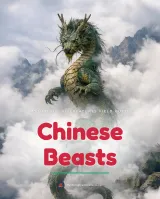
Chinese Beasts: A field guide to the dragons and demon kings of Chinese myth
From river dragons to demon kings, with the legends that shaped five thousand years of storytelling.
Japanese Yōkai: A field guide to the spirits and demons of Japanese folklore
Fifteen spirits, with the signs to watch for and what the old tales say to do if you meet one.
the legend in five swipes.
For authors, artists, and makers
Created something from the realm of myth?
If your book, deck, game, or artwork draws from legendary creatures and lore, you can showcase it here in a tasteful, year-round placement.
Share your projectQuick Creature Info
Origin:
Associations:
Our Mythic Legendary Rating:

Also Sometimes Known As:
Habitat:
Supernatural Powers:
Physical Attributes:
Abilities:
Behavior:
Lore:
References
Discover Another Mythical Legend You May Not Have Heard Of?
Uncover the mysteries of ancient folklore and expand your knowledge of legendary beings from cultures around the world.
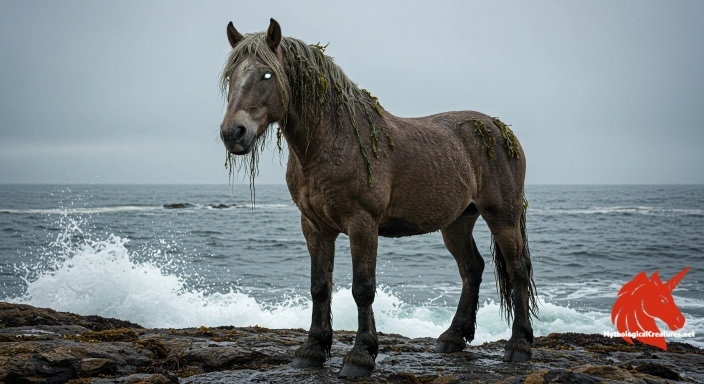
Dare to Meet the Tangie....
The Mythological Creatures Book Series
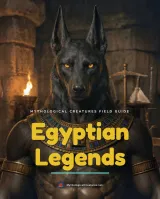
Yōkai, Greek, Norse, Egyptian & Chinese. Five illustrated field guides to the creatures the old stories either warned or told you about.
Curated by the Mythological Creatures Team
Series editor: Mythological Creatures Directory
Primary desk: Northern & European Folklore Desk
(rev. November 2025)