
Inari Ōkami: Inari Ōkami is the Japanese kami of agriculture, fertility, and prosperity, revered as a patron of rice, trade, and the protection of warriors.

Inari Ōkami
Inari Ōkami - One of the principal kami with over 40,000 dedicated shrines, Inari Ōkami plays a vital role in both agricultural sustenance and commercial success in Japan.
the legend in five swipes.
the legend in five swipes.
How old is the legend of Inari Ōkami?
Inari Ōkami stands as one of the most versatile and enduring figures in the Japanese pantheon, embodying the essential forces of fertility, prosperity, and agriculture. With roots deeply embedded in ancient Japanese tradition, this kami has long been revered as the rice‐bearer and a guardian of both the natural world and human endeavour. Early records, including the establishment of a shrine at Inari Mountain in 711 CE, attest to its longstanding presence, while some traditions hint at an origin reaching back to the late 5th century. The deity's significance is amplified by its association with rice cultivation, a cornerstone of Japan's agrarian society that ensured community sustenance and growth. Over time, Inari Ōkami has been portrayed with fluid gender attributes, sometimes appearing as male, sometimes as female, and in many cases as a collective assembly of spirits. This multiplicity not only reflects the adaptable nature of the kami but also mirrors the diverse needs of its worshippers across different eras. Myths recount that the goddess descended during a time of famine, arriving on a radiant white fox and bearing sheaves of grain symbolic of renewal and hope. The widespread dedication of over 40,000 shrines to Inari across Japan underscores a deep cultural and spiritual resonance that has withstood the test of time. Such a legacy highlights a unique interplay between the divine and the everyday, cementing Inari's role as both a nurturer of life and a symbol of prosperity.
Inari Ōkami: How the Tale Was Told and Retold
The narratives surrounding Inari Ōkami emerge from a rich blend of ancient inscriptions, shrine records, and enduring oral traditions. Early texts and ceremonial documents unearthed from historic shrines reveal a deity intrinsically linked to the cycles of rice cultivation and agricultural renewal. Multiple variants of the myth circulate throughout Japan, each adding layers of symbolism and offering differing accounts of Inari’s descent and divine attributes. Some stories vividly recount a celestial arrival on a white fox during times of great famine, while others focus on Inari’s role as a collective of intertwined deities. Distinct regional legends modify these core themes, incorporating local rituals and diverse interpretative elements that speak to the community’s unique needs. In the Edo period, official records expanded the kami's influence to embrace blacksmiths, warriors, and merchants, thereby broadening its narrative scope. Folkloric renditions consistently delineate the role of the fox as an intermediary between the spiritual and material worlds. The melding of formal texts with popular lore has ensured that the story of Inari remains a dynamic, living tradition that adapts with the passage of time. These layers of documentation continue to enrich the multifaceted legacy of the deity.
Inari Ōkami: Physical Form and Supernatural Powers
Representations of Inari Ōkami traverse a diverse spectrum, ranging from elegant human forms to luminous, otherworldly fox manifestations. Traditional artworks and shrine carvings often depict the deity adorned in ceremonial Shinto robes, with subtle hints of agricultural symbolism such as bundles of rice or other grains. Intricate iconography melds human grace with the cunning allure of the fox, creating an image that is simultaneously gentle and enigmatic. In many depictions, pure white kitsune, known for their ethereal beauty, appear as emissaries whose multiple tails suggest a deep reservoir of mystical power. These fox spirits are frequently rendered with expressive, luminous eyes that communicate both vigilance and benevolence. The dual aspects of Inari—its human-like form and its animal spirit—serve to convey an inherent mystery and a connection to both the earthly and the celestial. Classical sculptures and contemporary interpretations alike highlight refined features that blend humility with divine elegance. The careful incorporation of natural and agrarian symbols into its iconography emphasises the deity’s role as a nurturer and protector of prosperity. The persistent recurrence of the white fox motif in artistic portrayals further cements Inari’s image as both a guardian spirit and an emblem of transformational energy.
What regional forms of Inari Ōkami exist?
In spite of a unified reverence for Inari Ōkami across Japan, regional interpretations introduce distinctive elements that reflect local customs and environmental influences. Varied communities have tailored the visual and ritualistic expressions of the deity to mirror their own agrarian practices and historical narratives. In rural areas, Inari is often celebrated as the benevolent protector of rice fields, with seasonal festivals marking the cycles of planting and harvest. Certain locales amplify the playful characteristics of the fox messengers, infusing local folklore with tales of mischief interwoven with wisdom. Urban centres, on the other hand, sometimes blend traditional iconography with modern corporate aesthetics, symbolising a convergence of past and present. In northern regions, the depictions tend to be more austere and reflective, underscoring the solemn beauty of nature and the quiet perseverance of the communities. Contrastingly, the vibrancy and abundance celebrated in southern regions ensure that Inari is portrayed with an exuberance befitting a rich, fertile landscape. Localised legends often introduce additional narrative layers, recounting miracles during harsh seasons or heroic interventions in times of conflict. This regional diversity not only enriches the overall mythos but also highlights the adaptability of Inari’s symbolism to various cultural and environmental contexts.
Do other traditions know Inari Ōkami by another name?
The mystical qualities embodied by Inari Ōkami invite invigorating comparisons with a variety of mythological figures spanning different cultures. Elements of transformation, fertility, and the manipulation of earthly forces link Inari with deities in global agrarian and nature-based mythologies. In the broader East Asian tradition, for example, similar themes can be found in the legends of the huli jing in Chinese lore and the kumiho in Korean stories, where fox spirits perform roles that oscillate between benevolence and mischief. This blending of divine benevolence with animalistic cunning creates a fascinating tapestry of shared motifs across cultural boundaries. Western mythologies also offer parallel narratives, wherein nature goddesses such as Demeter or figures from Celtic folklore exude an essence of abundance and renewal. However, Inari’s distinctive capacity to fluidly change gender and encompass multiple aspects sets it apart from many singularly defined deities. The convergence of ritual, art, and storytelling in the depiction of Inari echoes a universal human aspiration for prosperity and protection. Cross-cultural investigations reveal that while the symbols and methods of worship may differ, the underlying desire to secure nature’s bounty manifests in remarkably similar ways. Such comparative analysis not only illuminates common threads in global folklore but also celebrates the unique cultural colourations that define Inari’s legend within the Japanese context.
Inari Ōkami: Then and Now
The historical evolution of Inari Ōkami reflects a profound interplay between tradition and transformative cultural shifts. Initially revered primarily as a deity of agricultural bounty and rice cultivation, Inari became an emblem of hope and renewal during times of scarcity and hardship. As Japan transitioned through various historical epochs, the deity’s attributes expanded to encompass the realms of commerce, craftsmanship, and even martial protection. This broadening of scope is evident in the evolving iconography, where early agrarian symbols have gradually coalesced with images emblematic of industry and modern success. The Edo period, in particular, witnessed a significant shift as Inari’s influence permeated urban centres and artisanal guilds, mirroring the dynamism of the growing commercial landscape. Contemporary interpretations continue to celebrate Inari’s adaptive nature; modern corporations and institutions often invoke the deity’s spirit as a talisman for prosperity and innovation. Artistic renderings today fuse ancient motifs with modern aesthetics, keeping the tradition both relevant and inspiring. The dedication of thousands of shrines to Inari across Japan is a testament to the enduring legacy of this revered kami. In modern society, Inari Ōkami stands as a bridge connecting the venerable heritage of ancient rituals with the pragmatic aspirations of a rapidly evolving nation.
Interesting Fact
Modern corporations like Shiseido maintain shrines to Inari Ōkami atop their headquarters, demonstrating how this ancient deity remains influential in contemporary Japanese culture.
Mythological Treasures
Japanese Yōkai: A field guide to the spirits and demons of Japanese folklore
Fifteen spirits, with the signs to watch for and what the old tales say to do if you meet one.
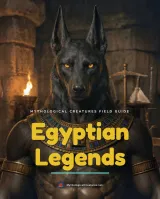
Egyptian Legends: A field guide to the gods and monsters of ancient Egypt
Guardians of the living and devourers of the dead, with the role each played in judgement.
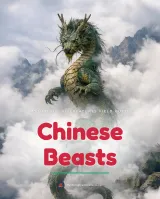
Chinese Beasts: A field guide to the dragons and demon kings of Chinese myth
From river dragons to demon kings, with the legends that shaped five thousand years of storytelling.
the legend in five swipes.
Sponsor this space
Tasteful, fixed-fee placements for myth projects
No bidding wars or flashing banners. We offer simple placements for a small set of creators and brands aligned with our readers.
Request further detailsQuick Creature Info
Associations:
Our Mythic Legendary Rating:

Also Sometimes Known As:
Habitat:
Supernatural Powers:
Physical Attributes:
Abilities:
Behavior:
Lore:
References
Discover Another Mythical Legend You May Not Have Heard Of?
Uncover the mysteries of ancient folklore and expand your knowledge of legendary beings from cultures around the world.
Dare to Meet the Thayé....
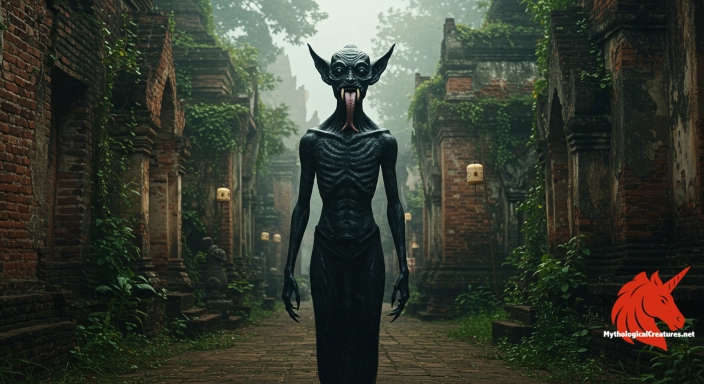
The Mythological Creatures Book Series
Yōkai, Greek, Norse, Egyptian & Chinese. Five illustrated field guides to the creatures the old stories either warned or told you about.
Curated by the Mythological Creatures Team
Series editor: Mythological Creatures Directory
Primary desk: Asian & Pacific Myth Cycles Desk
(rev. November 2025)