
Kechibi: Kechibi is an atmospheric ghost light from the legends of Kōchi Prefecture, Japan.
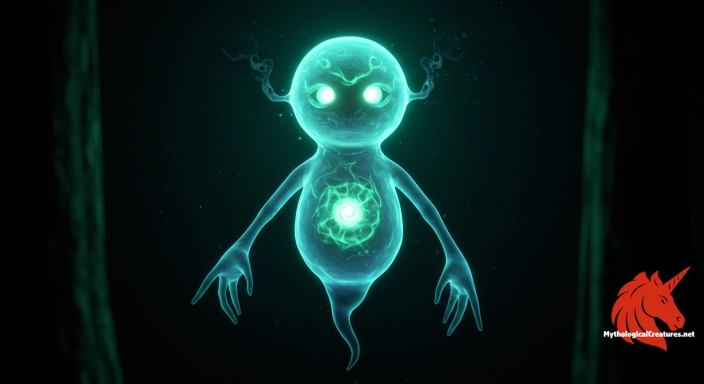
Kechibi
Kechibi - Represents a mysterious and unexplained phenomenon that has captivated local folklore and serves as an omen.
Origins & First Encounters
Kechibi is a mysterious atmospheric ghost light that has long been an integral part of the local lore in Kōchi Prefecture. Its legend emerges from a time when unexplained natural phenomena were interpreted as messages from the spiritual world. Many local narratives suggest that it is not merely a flicker of light, but an echo of ancient souls or a subtle sign of nature’s hidden forces. The ghost light’s origins are entwined with a rich tapestry of animistic beliefs and rural superstitions that have been passed down through generations. As community storytellers recounted its fleeting presence during moonlit nights, Kechibi came to embody both caution and wonder. Its earliest mentions are believed to date back to periods when oral tradition was the primary means of preserving history and spiritual experiences. The intertwining of the physical and supernatural in these tales reflects a cultural milieu deeply respectful of nature’s mysteries. Over time, the Kechibi has evolved into a symbol representing the delicate balance between the known world and the realm of the unseen.
Source Texts & Tale Variants
The primary documentation of Kechibi is rooted in local oral traditions and folk tales, though scattered references also appear in regional manuscripts and shrine records. Various local collections of ghost stories encapsulate multiple versions of its appearance, each adding layers to its mysterious character. Some traditional accounts from the Edo period hint at the ghost light’s role as an omen embedded in spiritual narratives. In certain recitations, the Kechibi is portrayed as a solitary flicker that wanders the dark landscapes, while other stories describe it as part of a spectral procession. Several written sources from rural regions mention it in the context of natural anomalies that were later mythologised. Despite the scarcity of extensive written records, the tale has thrived through community recitations and local festivals. Anecdotal evidence gathered from generations of villagers continues to colour the narrative with variations that reflect the storyteller’s unique perspective. As differing accounts circulate among communities, the multifaceted story of Kechibi serves as a reminder of the rich oral heritage that sustains many ancient legends.
Form & Powers
The Kechibi is typically described as a transient and flickering orb of light that emerges in the solitude of night. Witnesses often speak of its gently pulsating glow, which seems to shift in both intensity and hue as it drifts through the darkness. Its appearance is variably rendered as a soft blue or a muted green, imbuing it with an ethereal and almost otherworldly quality. Some accounts allude to it as resembling a thin wisp or ribbon of light, dancing subtly against the backdrop of a foggy landscape. The morphological descriptions often extend to a suggestion that it appears to be neither entirely solid nor fully insubstantial, melding into the ambient night air. This elusive quality contributes to its enigmatic reputation, as its contours seem to waver like the boundary between physical reality and spectral vision. Observations also indicate that its size is not fixed; it can appear as a minuscule spark or expand into a broader display that captivates onlookers. Such detailed yet variable depictions have left an indelible mark on local imaginations, ensuring that every sighting is as unique as it is mysterious.
Regional Faces
While the Kechibi is most closely associated with Kōchi Prefecture, its core phenomenon resonates with similar spectral lights found across different regions of Japan. In neighbouring areas, ghostly lights appear under varied names, yet the Kechibi retains a distinctive glow that sets it apart. Certain coastal regions describe comparable lights as gentle guides for lost fishermen, a departure from the eerie solitude often attributed to the Kechibi. In the mountainous hinterlands, variations of the ghost light are sometimes seen as benign presences that help wandering travellers find their way. Local customs and environmental factors have led to subtle differences in how these apparitions are depicted, whether in colour, intensity, or movement. Some villages have imbued their ghost light legends with ritualistic significance, integrating them into seasonal celebrations and rites. The variation in descriptions across regions reflects the broader tendency to merge natural atmospheric effects with local mythological themes. This rich diversity in regional interpretations underscores how natural phenomena can be reimagined to reflect the unique cultural identities of different communities.
Cultural Parallels
The legend of the Kechibi finds interesting parallels with ghostly lights in other cultural traditions, notably the European will-o'-the-wisp. Both phenomena are marked by their elusive and transient qualities, often evoking feelings of wonder and trepidation among those who encounter them. In Chinese folklore, a similar spectral light appears in narratives that speak of ghost-fire, underlining a universal human inclination to ascribe supernatural significance to unknowable lights in the dark. These cross-cultural motifs point to a common desire to understand and explain phenomena that defy conventional logic. Yet, the Kechibi carries its own distinct set of characteristics that are deeply rooted in the local ethos of Kōchi, blending subtlety with an undercurrent of mystery. Unlike some European accounts that focus predominantly on deceptive misdirection, the Kechibi is sometimes interpreted as an omen or even a gentle guide. This duality, when juxtaposed with similar legends from other cultures, highlights a fascinating dialogue between universal symbolism and local specificity. Ultimately, the comparative study of such myths enriches our understanding of how human societies connect natural wonders with the metaphysical realm.
Legacy & Modern Evolution
Over the centuries, the portrayal of the Kechibi has undergone a remarkable transformation, reflecting broader shifts in cultural attitudes towards the supernatural. Originally feared as a portent of misfortune or as the restless spirit of the departed, it gradually evolved into a celebrated emblem of nature’s enigmatic beauty. Modern reinterpretations have reimagined the ghost light as both a nostalgic reminder of ancient traditions and a symbol of the interplay between nature and the ineffable. Contemporary literature, art, and cinema have embraced the Kechibi, often portraying it with vivid colours and a sense of poetic wonder. Local festivals in Kōchi now highlight its myth, using the legend as a central motif to invite both reflection and creative expression. In recent years, digital media and graphic novels have further rejuvenated the narrative, blending traditional lore with modern aesthetics. The Kechibi’s enduring presence in cultural discussions is a testament to its lasting power as a symbol of the mysterious and transient beauty of the night. As communities continue to celebrate and reinterpret its story, the ghost light remains a vibrant link between Japan's storied past and its ever-evolving cultural landscape.
Interesting Fact
One intriguing aspect of the Kechibi is its unwavering presence in regional lore, despite the absence of any scientific explanation for its origin.
For serious mythcraft
Your project belongs among the legends
If your work deepens how people understand, play with, or teach mythology, a sponsor placement here keeps it in front of the right readers all year.
Submit a sponsorship enquiryQuick Creature Info
Features:
Associations:
Our Mythic Legendary Rating:

Also Sometimes Known As:
Habitat:
Physical Attributes:
Behavior:
Lore:
Related Creatures, Tales or Lore
References
Discover Another Mythical Legend You May Not Have Heard Of?
Uncover the mysteries of ancient folklore and expand your knowledge of legendary beings from cultures around the world.
Dare to Meet the Ao Run....
Curated by the Mythological Creatures Team
Series editor: Mythological Creatures Directory
Primary desk: Asian & Pacific Myth Cycles Desk
(rev. November 2025)