
Korrigan: The Korrigan are diminutive, fairy-like spirits from Breton folklore known for their mischievous nature and magical prowess.
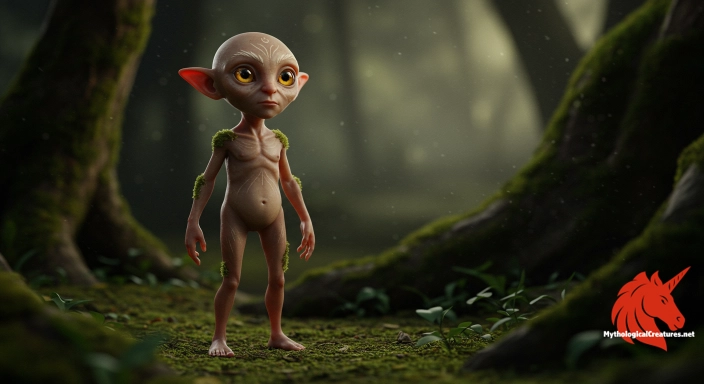
Korrigan
Korrigan - Their presence symbolizes the enduring mystery of the natural world and the ancient Celtic connection to the land.
the legend in five swipes.
the legend in five swipes.
Where in the world does the Korrigan come from?
The Korrigan occupies a distinctive niche within Breton folklore, emerging as a fascinating blend of fairy and dwarf that has captured local imaginations for centuries. Born from deep-rooted oral traditions in Brittany, these elusive spirits are intertwined with the region’s mystical landscapes and ancient customs. Early references to the Korrigan appear in folkloric recitations and regional ballads, where their small stature belies a potent, otherworldly presence. The very name, derived from the Breton words for dwarf with a diminutive twist, underscores both their size and enigmatic charm. Over time, they have become emblematic of the region's connection with nature, often seen as guardians and tricksters in equal measure. Their tales are imbued with lessons and warnings that mirror the unpredictable interplay between humanity and the wild. Communities in Brittany have long used these stories to both entertain and educate, reflecting the delicate balance between respect for nature and the intrigue of the supernatural. Despite a rich array of interpretations, the Korrigan remains steadfast as a symbol of the mysterious and timeless character of Breton cultural heritage. This mythic figure continues to inspire a sense of wonder and serves as a reminder of the enduring power of oral tradition.
The Source Texts Behind the Korrigan
Ancient manuscripts and oral traditions provide a varied and layered record of the Korrigan, ensuring that her legend endures through the ages. Tales of these small, elusive beings have been handed down through generations, forming a vibrant tapestry that spans both written accounts and spoken lore. Local chroniclers and storytellers recounted adventures that painted the Korrigan as both a benevolent protector and a cunning trickster. Over time, the retellings have differed subtly from one region to another, each variant adding its own flavour to the creature’s narrative. Scholars and folklorists have noted that the diversity of names—ranging from korrig and korred to teuz and poulpiquet—reflects a rich tradition of regional adaptation. Some texts depict her intervention in daily human affairs, while others focus on her mysterious guardianship over sacred natural sites. The interplay between these variants has provided a fertile ground for modern studies of Celtic myth and folklore. Despite the passage of time, the primary sources continue to reveal a creature whose multifaceted character echoes the complexities of nature itself. These enduring accounts highlight a dynamic tradition that balances myth with the tangible landscape of Brittany.
How did the old accounts describe the Korrigan?
Korrigans are traditionally portrayed as diminutive yet striking figures whose physical appearance is as mutable as their temperaments. Descriptions often present them as having delicate features combined with a hint of mischievous ruggedness, embodying both the ethereal qualities of a faerie and the earthy presence of a dwarf. Their eyes are frequently depicted as luminous and hypnotic, conveying a depth of ancient, secret wisdom. In some accounts, their hair cascades in wild, untamed locks, complementing attire fashioned from natural elements such as leaves and moss. Other narratives reveal a more robust, almost stoic build that reinforces their connection to the rugged terrain of Brittany. There is an ever-changing quality to their depiction, sometimes with skin that seems to shimmer in the moonlight or eyes that flicker with an otherworldly spark. Their clothing, often colourful and seemingly pieced together from the fabrics of nature, further reinforces the idea that they are both part of the land and separate from it. With variations in height and form, some portrayals suggest they are barely visible against a twilight backdrop, while others emphasise their compact but potent presence. These detailed physical descriptions lend a tangible yet elusive quality to the Korrigan, making her as captivating visually as she is in myth.
Where is the legend of the Korrigan strongest?
Across Brittany, the Korrigan’s portrayal is as diverse as the landscapes she is believed to inhabit, with local lore imbuing her with region-specific traits. In inland areas, she is sometimes seen as a gentle guardian of secluded groves and ancient springs, a spirit whose blessings ensure the fertility of the land. Coastal versions, by contrast, occasionally attribute to her maritime qualities, where the ebb and flow of the tides mirror her unpredictable nature. The multiplicity of names—ranging from ozigan to poulpiquet—not only reflects linguistic variation but also hints at subtle differences in her mythos from one community to the next. In some villages, the Korrigan is honoured during seasonal rites and festivals, believed to influence both the prosperity of harvests and the rhythms of nature. Other regions portray her with a more ambiguous morality, where charming benevolence can swiftly turn to caprice. These regional adaptations ensure that the Korrigan remains closely linked to the local landscape, embodying the spirit of each distinct area. The variations in narrative underscore the dynamic and responsive nature of oral tradition, where the creature’s character shifts to reflect community values and environmental realities. This regional diversity enriches the overall myth, weaving a complex tapestry that is both locally grounded and universally resonant.
Legends Comparable to That of the Korrigan
The lore surrounding the Korrigan finds many echoes in the broader spectrum of European and Celtic folklore, where small, magical beings pervade the cultural imagination. Similar spirits, such as the Irish leprechaun or the Cornish korrik, share traits with the Korrigan in their mischievous demeanour and protective connections to nature. Like their counterparts, these beings often appear at the threshold of the known and the mystical, existing in a liminal space that invites both wonder and caution. The recurring motif of diminutive stature coupled with formidable magic is a unifying thread that links these varied mythological figures. Artists and storytellers have long used such characters as metaphors for nature’s dual capacity to nurture and to confound. Many of the narrative elements, including trickery, hidden treasures, and moral lessons, find parallels across multiple cultural traditions. This intertextual relationship reveals a shared ancestral narrative that transcends individual cultural boundaries. The comparative analysis of these mythic figures illustrates how regional traditions have both borrowed from and contributed to a pan-European tapestry of faerie lore. In this way, the Korrigan stands as a vibrant example of the continuity and evolution inherent in mythological archetypes.
Where does the Korrigan appear in films and games?
The evolution of the Korrigan myth from a whispered rural legend to a celebrated emblem of Breton identity marks a dynamic journey through time. Early folklore presented her as a mysterious entity inhabiting the twilight spaces of nature, a character that resonated with the fears and hopes of small communities. With the advent of formal folkloristics in the 19th and 20th centuries, the Korrigan transformed into a subject of academic and cultural revival, her image further enriched by reinterpretation. Modern retellings have seen her adapted into literature, theatre, and visual arts, often symbolising the resilient spirit of the natural world. Festivals and local gatherings in Brittany frequently feature representations of her, reinforcing a sense of continuity between past and present. Contemporary depictions tend to embrace both her capricious and benevolent facets, reflecting a broader understanding of the complexities of nature. This shift also underlines a growing appreciation for the transformative power of regional legends in modern cultural identity. Today, the Korrigan stands not only as a relic of ancient belief but also as a living symbol of environmental stewardship and the enduring value of tradition. Through these modern manifestations, her enigmatic legacy continues to spark the imagination and affirm an unbroken link to the mystical heritage of Brittany.
Interesting Fact
Similar to gnomes, leprechauns, and pixies found throughout European folklore, Korrigans represent the timeless archetype of the elusive, magical trickster.
Mythological Treasures
Japanese Yōkai: A field guide to the spirits and demons of Japanese folklore
Fifteen spirits, with the signs to watch for and what the old tales say to do if you meet one.
Greek Myths: A field guide to the monsters of ancient Greece
Every monster here earned its place in legend, and each gets a full page of artwork and the story behind it.
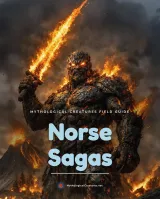
Norse Sagas: A field guide to the beasts of the Viking world
Drawn from the saga accounts themselves, with the powers, weaknesses and doom of each being set out.
the legend in five swipes.
For serious mythcraft
Your project belongs among the legends
If your work deepens how people understand, play with, or teach mythology, a sponsor placement here keeps it in front of the right readers all year.
Submit a sponsorship enquiryQuick Creature Info
Features:
Associations:
Our Mythic Legendary Rating:

Also Sometimes Known As:
Habitat:
Supernatural Powers:
Physical Attributes:
Abilities:
Behavior:
Weaknesses:
Lore:
Related Creatures, Tales or Lore
References
Discover Another Mythical Legend You May Not Have Heard Of?
Uncover the mysteries of ancient folklore and expand your knowledge of legendary beings from cultures around the world.
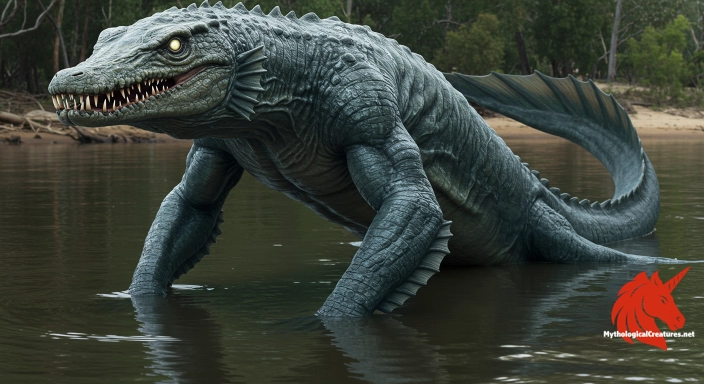
Dare to Meet the Muldjewangk....
The Mythological Creatures Book Series
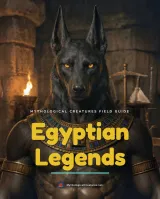
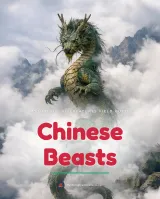
Yōkai, Greek, Norse, Egyptian & Chinese. Five illustrated field guides to the creatures the old stories either warned or told you about.
Curated by the Mythological Creatures Team
Series editor: Mythological Creatures Directory
Primary desk: Northern & European Folklore Desk
(rev. November 2025)