
Loktak Ima: Loktak Ima, also known as Loktak Lairembi, is the revered mother goddess and personification of the Loktak Lake in Manipur.

Loktak Ima
Loktak Ima - She is revered as the fountainhead of Meitei culture and the sacred guardian of Loktak Lake
the legend in five swipes.
the legend in five swipes.
Where does Loktak Ima come from?
Loktak Ima is revered as the living embodiment of Loktak lake, a figure whose divine presence infuses the natural world with maternal care and enduring strength. Her dual appellations, Loktak Ima and Loktak Lairembi, evoke a sense of both nurturing intimacy and transcendent power that has inspired generations of the Meitei people. Rooted deeply in ancient Meitei cultural traditions, her origins are entwined with indigenous narratives that predate written history. Her story emerges from the interplay of local rituals and the natural splendour of the lake, symbolising both the sustenance provided by nature and the spiritual protection it offers. The goddess is more than a myth; she is an emblem of community identity and continuity, reflecting the profound bond between people and their environment. As the personification of the lake, she stands as a guardian who nurtures the livelihoods of fishermen and the traditions of rural communities. Her evocative image lends a sacred dimension to everyday life, elevating natural phenomena to divine status. The resonance of her myth remains undiminished across centuries, testifying to the vitality of living cultural heritage.
The narrative of Loktak Ima is interlaced with storied epics such as that of Khamba and Thoibi and the myth of Poubi Lai, linking her directly to the heroic and mystical past of the region. Her revered status not only highlights the sanctity of water but also serves as a reminder of the enduring link between nature’s bounty and communal prosperity.
Loktak Ima: Variants Across the Sources
The stories of Loktak Ima have been preserved through a rich tapestry of oral traditions, ancient manuscripts, and ritual recitations that have been handed down from generation to generation. Various local texts and indigenous songs recount her emergence as the personification of Loktak lake, capturing the essence of the natural and spiritual worlds intertwined in Meitei culture. Ceremonial chants and community festivals further reinforce these narratives, ensuring her legend remains dynamic and embedded in local consciousness. The integration of her myth in oral epics brings out layers of interpretation, each reflecting the diverse experiences of the communities who revere her.
Multiple story variants have emerged over time; in some accounts, she takes on a fiercely protective role, while in others she is depicted with a gentle, nurturing demeanour. The evolution of her narrative is evident in the way community traditions have adapted her image to reflect contemporary circumstances without losing its mythic core. Folkloric narratives and ritual performances continue to highlight her dual capacity as both protector and provider, underlining an intrinsic moral and ecological ethos. The multiplicity of these accounts enriches our understanding of her cultural significance, ensuring that her legacy is as multifaceted as the waters she embodies.
Loktak Ima: Powers, Strengths and Vulnerabilities
Artistic renditions of Loktak Ima convey her through nature’s own language, where fluid lines and luminous imagery evoke her presence as the divine spirit of the lake. She is often portrayed as an ethereal figure with hair that flows like cascading water, capturing the gentle rhythm of ripples across the lake’s surface. Her eyes, deep and reflective, mirror the tranquil yet mysterious qualities of water at twilight. The serene expression manifested in her visage is designed to evoke both quiet contemplation and an inner strength that steadies the soul.
Her form is frequently adorned with elements drawn from the natural world—garments fashioned from the shimmering reflections of sunlight on water, and jewellery that symbolises aquatic flora and droplets of dew. Some depictions emphasise a dual nature where she possesses both human grace and the otherworldly allure of a water spirit, embodying nature’s inherent duality. Variations in her portrayal range from a majestic, towering presence to a more intimate, approachable figure, each style reaffirming her role as a protector of the natural realm. Every artistic interpretation reinforces the harmonious fusion of physical beauty and elemental power, illustrating a divine synergy that is at once both awe-inspiring and warmly maternal.
Which communities kept the Loktak Ima tradition alive?
Across the regions where her legend endures, Loktak Ima’s character is adapted to reflect the nuances of local traditions and environmental realities. In the heartland of the Meitei community, she is imbued with qualities that directly resonate with the daily lives of fishermen and villagers who depend on the lake. Local communities have woven additional narratives into her myth, sometimes casting her as a guardian who commands the cycles of the monsoon and the rhythm of natural growth. These regional adaptations infuse her story with colour and variety, transforming fixed myth into a living, breathing tradition that evolves with the people.
In some peripheral villages, she is depicted with attributes that align with neighbouring ecological landscapes, such as hints of mountainous or forest elements that frame the lake. Variations in her iconography, including differences in attire, posture, and the symbolic motifs displayed, reflect the diverse aesthetic values across the region. While the core themes of nurturing protection and environmental guardianship remain consistent, subtle regional differences ensure that her presence feels both universal and intimately local. Such adaptations highlight the ongoing dialogue between indigenous beliefs and the distinct cultural expressions of each community, reaffirming her timeless role as a unifying and transformative figure.
Loktak Ima: Counterparts Around the World
Loktak Ima shares compelling parallels with water deities found across various mythological traditions, each embodying the dual roles of nurturer and protector. Her imagery and narrative resonate with deities such as the sacred Ganga in Indian lore or the aquatic divinities revered in Southeast Asian cultures, all of whom symbolise life-giving nourishment coupled with formidable power. This cultural synchronicity underscores the universal appeal of water as both a source of sustenance and a force capable of transformation. In many ways, her myth serves as a focal point for understanding the balance between human fragility and nature’s enduring might.
Comparative analyses reveal that, like the Celtic goddess Coventina or the Yoruba deity Yemoja, Loktak Ima personifies water’s capacity to sustain life while commanding respect through her unpredictable power. Her narrative, though grounded in the local landscape of the Meitei people, is part of a broader tapestry of water worship that spans continents and epochs. The nuanced differences in her depiction—ranging from the gentle, nurturing aspects to the fierce guardianship of natural resources—find echoes in these cross-cultural counterparts. This intertextual dialogue among mythologies highlights the shared human need to explain and venerate the natural elements, making Loktak Ima a vital touchstone in comparative mythological studies.
Loktak Ima: Modern Retellings and Reinventions
The evolution of Loktak Ima’s myth over time reflects a vibrant interplay between tradition and modernity, where ancient reverence is reinterpreted through contemporary perspectives. Her portrayal has shifted from a primarily oral tradition to an icon featured in modern art, literature, and environmental discourse. Once transmitted exclusively through ritual performance and community gatherings, her story now informs broader conversations about ecological stewardship and cultural preservation. As modern society grapples with environmental challenges, her enduring symbol of water’s sanctity has gained renewed relevance, inspiring initiatives aimed at protecting natural resources.
Modern reinterpretations of Loktak Ima have enriched her myth with layers of environmental symbolism, aligning her with global movements for sustainable development. New artistic expressions, ranging from visual arts to film, have showcased her as more than a mythic figure; she embodies the resilience and regenerative capacity of nature. Community festivals continue to celebrate her with renewed vigour, merging traditional practices with contemporary ecological concerns. The legacy of Loktak Ima is a vibrant testament to the adaptive nature of myth, ensuring that the spiritual essence of Loktak lake remains a potent symbol for future generations.
Interesting Fact
Loktak Ima is one of the rare deities whose embodiment as a natural lake underscores a deep, enduring bond between cultural identity and ecological significance.
Mythological Treasures
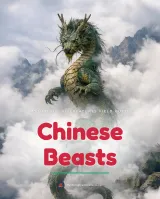
Chinese Beasts: A field guide to the dragons and demon kings of Chinese myth
From river dragons to demon kings, with the legends that shaped five thousand years of storytelling.
Japanese Yōkai: A field guide to the spirits and demons of Japanese folklore
Fifteen spirits, with the signs to watch for and what the old tales say to do if you meet one.
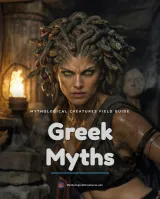
Greek Myths: A field guide to the monsters of ancient Greece
Every monster here earned its place in legend, and each gets a full page of artwork and the story behind it.
the legend in five swipes.
Mythology-aligned partners
Showcase your myth-friendly brand here
Run a store, studio, or platform that lives in the world of myth and folklore? A curated sponsor panel on these pages may fit.
Explore partnership optionsQuick Creature Info
Features:
Associations:
Our Mythic Legendary Rating:

Also Sometimes Known As:
Habitat:
Supernatural Powers:
Physical Attributes:
Abilities:
Behavior:
Lore:
Related Creatures, Tales or Lore
- PPoubi Lai
- YYemoja
- CChalchiuhtlicue
References
Discover Another Mythical Legend You May Not Have Heard Of?
Uncover the mysteries of ancient folklore and expand your knowledge of legendary beings from cultures around the world.
Dare to Meet the Beleth....

The Mythological Creatures Book Series
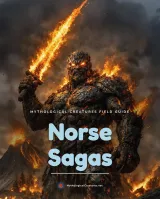
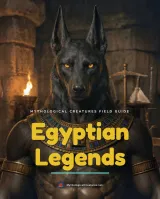
Yōkai, Greek, Norse, Egyptian & Chinese. Five illustrated field guides to the creatures the old stories either warned or told you about.

Curated by the Mythological Creatures Team
Series editor: Mythological Creatures Directory
Primary desk: Asian & Pacific Myth Cycles Desk
(rev. November 2025)