Mononoke: Mononoke are vengeful spirits from Japanese folklore known for possessing individuals and causing disease, suffering, and even death.

Mononoke
Mononoke - Mononoke embody the wrath of vengeful spirits and serve as cautionary figures reflecting the consequences of unresolved injustice.
the legend in five swipes.
the legend in five swipes.
Mononoke Origins: The Earliest Accounts
Mononoke are enigmatic spiritual entities deeply entwined with the cultural and mystical traditions of Japan. Their existence is anchored in a rich history where the boundaries between life and death become nebulous, symbolising both retribution and transformation. Roots of their myth can be traced back to classical Japanese literature, where early texts and dramatic plays hinted at the presence of such vengeful and restless spirits. These spirits emerged from the shadows of unresolved sorrow and unatoned transgressions, reflecting societal anxieties about morality and the supernatural. Over time, the concept of mononoke evolved to encompass not merely ghosts of the dead, but also manifestations of living energies turned awry by human emotion. Their role in folklore has often been to remind communities of the enduring power of the past, its grudges, and its inevitable consequences. As part of a larger tapestry of Japanese spiritual beings, mononoke have served as both cautionary figures and complex allegories for the interplay between the natural and supernatural worlds. Their legacy endures in the way they highlight the timeless human struggle to comprehend forces beyond rational understanding.
How many versions of the Mononoke story are there?
Ancient texts, theatrical performances, and local oral traditions have all contributed layers to the mononoke narrative. From the classical anthologies to Noh theatre, these sources reveal a nuanced perspective on the spirits that disrupt human life. Manuscripts such as those found in collections of ghost stories present mononoke as agents of karmic retribution, each tale echoing societal trepidation over unaddressed grief and injustice. Varied story variants depict them both as solitary embodiments of personal vendetta and as collective forces born from communal anguish. Regional folktales sometimes bestow upon these spirits a distinct personality, transforming them into moral arbiters who exact subtle, yet relentless, warnings. The multifaceted records attest to a dynamic dialogue between formal literature and vernacular storytelling. As these narratives were handed down through generations, each iteration absorbed new cultural influences while retaining essential themes of supernatural punishment. This rich diversity of sources ensures that the mononoke continue to be a potent symbol in both historical and contemporary Japanese mythos.
Mononoke: Physical Form and Supernatural Powers
The appearance of mononoke is as elusive as the emotions that give them life, often described in ways that defy solid form. They are typically portrayed as ephemeral figures whose outlines blend with the shifting mists of the night. Witness accounts sometimes speak of a translucent presence, with features that flicker between the human and the inhuman. Witnesses often mention an unsettling gaze, where eyes brim with the sorrow and fury of long-forgotten tragedies. The spirits may assume a variable form, at times cloaked in flowing garments that appear to be woven from shadows and light. In some depictions, their hair is unkempt and seems to ripple with an otherworldly energy, emphasising their departure from earthly norms. Their size is ambiguous, with some narratives describing an almost colossal stature while others suggest a more diminutive, sinister presence. This fluid and mutable physicality underscores their existence beyond the realm of natural laws and firmly entrenches them in the spectral domain.
Mononoke: The Same Figure in Different Places
The myth of the mononoke adapts intriguingly to the distinctive cultural landscapes found throughout Japan. In rural mountain villages and forested hamlets, they are often considered guardians of sacred groves and ancient burial sites, imbued with the power to both curse and cleanse. Urban legends, in contrast, sometimes blend the mononoke with modern fears, reimagining them as metaphors for the alienation and unease of contemporary life. Local adaptations frequently infuse these spirits with hints of ancestral spirits and nature deities, highlighting a dual role as both punisher and protector. In some regions, elaborate rituals have developed to appease these roaming forces, demonstrating a deep-seated respect for their capricious power. The mononoke in one area might be revered as a spiritual mediator while in another they are met with dread and suspicion. Such regional variations point to a broader cultural dialogue on the balance between human morality and the untamed natural world. By reflecting local customs and environmental realities, the evolving portrayal of mononoke continues to offer a colourful insight into Japan’s diverse mythological heritage.
Mononoke: Related Figures Across Cultures
The spectral nature of the mononoke invites comparisons with similar entities across a spectrum of global mythologies. They share common ground with the Irish banshee, whose mournful wail heralds misfortune and death, creating an atmosphere of foreboding. Much like the European revenant, the mononoke serve as a reminder of the inescapability of the past and its unresolved grievances. In the broader context of Asian folklore, parallels emerge with Chinese ghost traditions where spirits are seen as both punitive and redemptive forces. Such cross-cultural resemblances underline a universal human preoccupation with the thin veil between the living and the dead. These comparative narratives reveal how different cultures use ghostly figures to explore themes of loss, justice, and the emotional residue of unhealed wounds. The mononoke, though uniquely embedded in Japanese culture, resonate with a global archetype of spirits driven by deep emotional and moral forces. Their multifaceted character continues to provide insight into the collective psyche, linking the supernatural with the enduring challenges of human existence.
Mononoke: The Modern Legacy
The interpretation of mononoke has undergone significant transformation from its origins in classical literature to its modern cultural manifestations. Historically, these spirits epitomised the tangible consequences of neglected wrongdoings and societal transgressions, instilling fear across communities. Over time, evolving artistic sensibilities have recast the mononoke, allowing them to serve as complex symbols in contemporary media. Modern film, literature, and anime have embraced the mononoke archetype in narratives that blend ancient dread with modern existential themes. This reimagining often casts them as multifaceted characters whose anger and sorrow mirror current environmental and societal concerns. Their presence in modern culture invites audiences to explore the ambiguous space where tradition meets innovation, often reflecting deeper philosophical meditations on guilt and redemption. As both a cultural cautionary tale and a subject of artistic reinterpretation, the mononoke have secured a lasting legacy in the global arts. This enduring evolution underscores the timeless nature of the archetype, serving as a bridge between Japan’s storied past and its dynamic present. Their continued relevance reflects an ever-evolving dialogue between historical myth and the modern consciousness, ensuring that the mononoke remain a provocative and resonant symbol in today’s world.
Interesting Fact
An interesting aspect of Mononoke is how their concept has evolved over time, influencing modern depictions of ghosts and vengeful spirits in Japanese popular culture.
Mythological Treasures
Japanese Yōkai: A field guide to the spirits and demons of Japanese folklore
Fifteen spirits, with the signs to watch for and what the old tales say to do if you meet one.
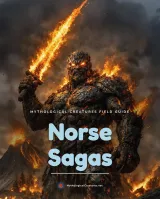
Norse Sagas: A field guide to the beasts of the Viking world
Drawn from the saga accounts themselves, with the powers, weaknesses and doom of each being set out.
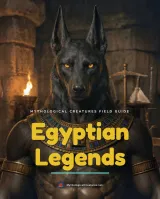
Egyptian Legends: A field guide to the gods and monsters of ancient Egypt
Guardians of the living and devourers of the dead, with the role each played in judgement.
the legend in five swipes.
For authors, artists, and makers
Created something from the realm of myth?
If your book, deck, game, or artwork draws from legendary creatures and lore, you can showcase it here in a tasteful, year-round placement.
Share your projectQuick Creature Info
Features:
Our Mythic Legendary Rating:

Also Sometimes Known As:
Habitat:
Supernatural Powers:
Abilities:
Behavior:
Weaknesses:
Lore:
Related Creatures, Tales or Lore
References
Discover Another Mythical Legend You May Not Have Heard Of?
Uncover the mysteries of ancient folklore and expand your knowledge of legendary beings from cultures around the world.
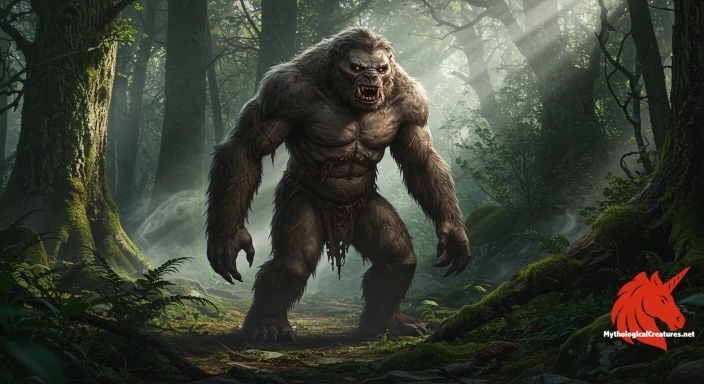
Dare to Meet the Bugbear....
The Mythological Creatures Book Series
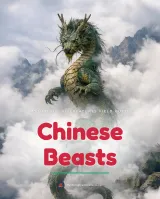
Yōkai, Greek, Norse, Egyptian & Chinese. Five illustrated field guides to the creatures the old stories either warned or told you about.
Curated by the Mythological Creatures Team
Series editor: Mythological Creatures Directory
Primary desk: Asian & Pacific Myth Cycles Desk
(rev. November 2025)