
Ninki Nanka: The Ninki Nanka is a legendary creature from West African folklore known for its terrifying appearance and lethal gaze.

Ninki Nanka
Ninki Nanka - Serving as a harbinger of death, the Ninki Nanka's sighting is believed to portend misfortune, reinforcing its fearsome status in local myth.
the legend in five swipes.
the legend in five swipes.
How old is the legend of the Ninki Nanka?
Ninki Nanka is a formidable figure embedded in the rich tapestry of West African folklore, emerging from the mystique of the lower Gambia region. Its origins are enshrouded in centuries of oral tradition, where elders recounted encounters that blended natural phenomena with supernatural presence. Early attestations position the creature as not only a guardian of wild spaces but also a portent of impending misfortune. Local communities crafted narratives around the Ninki Nanka, weaving cautionary tales that fused environmental warnings with spiritual symbolism. The legend grew as a way to explain the perils of the marshy, unpredictable wetlands and swamps that surround their settlements. This myth served to reinforce social norms, urging people to respect nature’s hazardous boundaries. Over time, the creature’s image has evolved through retellings and has adapted to shifting cultural contexts. With each generation, the Ninki Nanka has maintained its status as both a mysterious guardian and an ominous symbol of death approaching. Its narrative continues to be a vital element of regional lore, offering insights into how communities navigated the unknown. Ultimately, the Ninki Nanka stands not just as a creature of fear, but as a cultural icon that embodies the interplay between nature’s beauty and its inherent dangers.
Ninki Nanka: How the Tale Was Told and Retold
The stories surrounding the Ninki Nanka have been preserved through a blend of oral lore and early written accounts from the region. Indigenous storytellers and elders have passed on detailed descriptions that vary subtly across generations, contributing to a rich heritage of myth. Early travellers and colonial observers documented these tales, noting the creature’s fearsome reputation in their records. Among these, accounts such as those mentioned by Lady Southorn highlight its role as an ominous sign for the community. Diverse tribes have contributed to the mosaic of its narrative, each adding unique elements that reflect their experiences with local landscapes. Oral narratives have been crucial in shaping the creature’s multifaceted identity, from its reptilian form to its association with death. These accounts were not merely fantastical; they served practical purposes by warning locals of treacherous territories. Variants of the tale also mention specific rituals, like the use of mirrors to avert its fatal gaze, which further intertwine myth with cultural practice. Despite the passage of time, historical documents and contemporary retellings continue to reinforce the creature’s mystique. The primary sources, though varied, collectively attest to a legend that has persisted as a potent symbol in West African folklore.
What was the Ninki Nanka believed to be capable of?
Descriptions of the Ninki Nanka offer a fascinating glimpse into its composite, otherworldly anatomy, reflecting a synthesis of various animal features. Many traditional accounts characterise it as a reptilian giant with the formidable head of a crocodile, a detail that instantly signals its lethal nature. Some narrations describe its body in terms reminiscent of a donkey intertwined with the powerful attributes of a hippopotamus and giraffe. There are also accounts where the creature is visualised as a sprawling snake, its sinuous form lending an extra layer of menace. Certain versions of the myth assert that the creature attains lengths of up to 30 feet, thereby amplifying its imposing presence. A particularly striking attribute is its deadly gaze, often likened to the mythic curse of Medusa, which is believed to bring instant death. The legend sometimes enriches its form with three horns and an elongated neck, further enhancing its dragon-like visage. Its skin is portrayed as thick and rugged, with scales that shimmer subtly even under dim light. These amalgamated features create a vivid and terrifying image that challenges the boundaries of natural anatomy. Overall, the physical depictions of the Ninki Nanka serve to merge familiar animal traits into an entirely unique and awe-inspiring mythical entity.
How does the Ninki Nanka legend change from place to place?
The Ninki Nanka legend is deeply woven into the cultural fabric of West Africa, particularly in regions surrounding the lower Gambia where environmental features play a pivotal role. In these areas, the creature is attributed a variety of traits that resonate with local experiences of the wild, especially in marshy forests and along meandering river banks. Variations exist between tribes, as each community adapts the legend to mirror its own encounters with nature’s perils. In some localities, it is seen as a spectral sea spirit, while in others it is firmly rooted in the swampy hinterlands. This regional diversity in depiction underscores the adaptive nature of oral traditions, where each retelling is coloured by the immediate surroundings and societal needs. The Ninki Nanka is often portrayed as a sentinel of hazardous environments, a myth that likely emerged from cautionary practice in navigating dangerous wetlands. Community rituals, such as carrying reflective objects to avoid its deadly stare, highlight these practical customs. The creature’s role in folklore not only encapsulates regional fears but also reinforces the importance of respecting untamed natural terrains. It is not uncommon for variations of the tale to symbolically represent the interface between human habitation and the wild. Consequently, the Ninki Nanka continues to embody both a universal myth of dread and a local guardian of nature’s enigmatic boundaries.
Ninki Nanka: Related Figures Across Cultures
The myth of the Ninki Nanka bears fascinating similarities to other legendary creatures found throughout diverse cultures. Its composite form and perilous attributes invite comparison with the dragons of European lore, known for their ferocity and territorial dominion. The element of a fatal, petrifying gaze is a motif that resonates with figures like Medusa and the basilisk in classical mythology, reinforcing a universal fear of a single, deadly look. Much like the hybrid creatures of other regions, the Ninki Nanka amalgamates disparate animal characteristics, thereby illustrating a shared human impulse to personify the abstract dangers of the natural world. Similar to the serpentine legends found in various indigenous African myths, it embodies both creative and destructive forces. In comparing these creatures across cultures, one observes that they serve as metaphors for nature’s unpredictability and the dangers that lurk beyond the familiar. This comparative framework extends to modern representations, where mythical hybrids continue to influence literature and popular culture globally. The cross-cultural parallels also highlight how communities use hybrid creatures to communicate complex emotions such as awe, respect, and trepidation. In their very construction, these beings mirror the multifaceted challenges humans face in reconciling with an uncontrollable environment. Thus, the Ninki Nanka stands as a testament to the enduring power of myth to unify disparate cultural narratives around shared human experiences.
Why does the Ninki Nanka still matter?
The legacy of the Ninki Nanka has transformed remarkably from its roots in ancient folklore to a symbol of enduring mystery in modern culture. Historically, it served as a tangible warning against the dangers of untamed wetlands and as an embodiment of local superstitions regarding death and misfortune. Over time, however, its narrative has been reinterpreted in the light of evolving cultural and environmental sensibilities. Modern retellings often merge traditional themes with elements of fantasy, reimagining the creature as a majestic emblem of nature’s secret power. Contemporary art, literature, and even local festivals have embraced the myth, transforming it into a cultural icon that bridges ancient lore and current creative expression. This evolution reflects a broader trend where ancient mythologies are recontextualised to address modern concerns, such as environmental conservation and cultural heritage. While early accounts instilled a deep sense of fear and caution, current interpretations also recognise the creature as a symbol of mystery and wonder. The narrative now acts as a metaphor for the enigmatic qualities of the natural world and the enduring human fascination with the unknown. This layered transformation ensures that the Ninki Nanka remains a vibrant and compelling figure in both historical and contemporary settings. As such, its myth continues to challenge and inspire, offering a timeless dialogue between the past and the present.
Interesting Fact
An interesting element of the legend is the recommendation to carry mirrors, a practice aimed at deflecting the creature's deadly gaze and exemplifying the blend of natural and supernatural beliefs in the folklore.
Mythological Treasures
Japanese Yōkai: A field guide to the spirits and demons of Japanese folklore
Fifteen spirits, with the signs to watch for and what the old tales say to do if you meet one.
Greek Myths: A field guide to the monsters of ancient Greece
Every monster here earned its place in legend, and each gets a full page of artwork and the story behind it.
Norse Sagas: A field guide to the beasts of the Viking world
Drawn from the saga accounts themselves, with the powers, weaknesses and doom of each being set out.
the legend in five swipes.
For serious myth projects
Feature your work alongside the legends
From academic works to story-rich games, we highlight projects that respect world mythologies. Talk to us about a measured, long-term placement.
Start a conversationQuick Creature Info
Origin:
Features:
Associations:
Our Mythic Legendary Rating:

Habitat:
Supernatural Powers:
Physical Attributes:
Abilities:
Behavior:
Weaknesses:
Lore:
Related Creatures, Tales or Lore
References
Discover Another Mythical Legend You May Not Have Heard Of?
Uncover the mysteries of ancient folklore and expand your knowledge of legendary beings from cultures around the world.
Dare to Meet the Beroe....
The Mythological Creatures Book Series
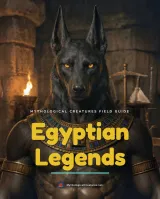
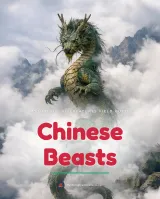
Yōkai, Greek, Norse, Egyptian & Chinese. Five illustrated field guides to the creatures the old stories either warned or told you about.
Curated by the Mythological Creatures Team
Series editor: Mythological Creatures Directory
Primary desk: African & Diaspora Traditions Desk
(rev. November 2025)